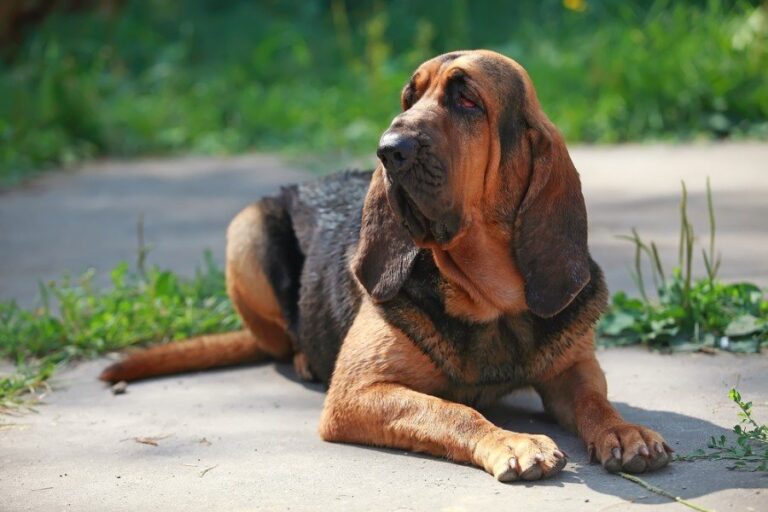
Dunker Dog Breed: Info, Pictures, Care & More

The Dunker: Norway‘s Rare and Striking Scenthound
In the world of dogs, there are some breeds that are household names, known by dog lovers around the globe. Then there are breeds like the Dunker – a dog that even the most knowledgeable canine enthusiasts may have never heard of. Hailing from the forests and fjords of Norway, the Dunker is a rare scenthound with a striking appearance and intriguing history. For active dog owners seeking a unique companion, the Dunker may be the perfect match.
History of the Dunker Dog
The story of the Dunker begins in the early 19th century in Norway. These medium-sized dogs were developed by Norwegian military officer Wilhelm Dunker, for whom the breed is named. Dunker set out to create the ultimate hunting dog that could withstand the harsh Scandinavian climate and traverse the challenging terrain.
To achieve his vision, Dunker crossed several local scenthounds with Russian Harlequin Hounds that were gifted to the Norwegian court. The result was a hardy, sure-footed, and tenacious tracker with a keen nose and signature black and tan coat with harlequin markings (a mottled or dappled pattern).
Throughout the 1800s and early 1900s, the Dunker became the dog of choice for hunters in Norway pursuing hare, fox, and other small game. They excelled at driving animals from cover and tracking wounded prey. While they were prized in their native land, the Dunker remained relatively unknown outside of Norway.
In the 1930s, the Norwegian Dunker Club was established to promote and preserve the breed. They developed a breed standard and began keeping studbooks. However, the destruction and turmoil of World War II took a toll on the Dunker population. Many dogs were lost and breeding was set back significantly.
After the war, dedicated breeders worked to revive the Dunker. Careful breeding strengthened and refined the breed, while retaining its key characteristics and working ability. Today, the Dunker remains a capable hunting companion in Norway and neighboring countries like Sweden.
The Dunker was recognized by the Norwegian Kennel Club in 1956 and is part of the scenthound group. However, they are still very rare outside of their homeland. In 2009, it was estimated there were only around 1000 Dunkers in the world, mostly concentrated in Scandinavia, with just a handful in other parts of Europe and the United States. Their small numbers have limited their spread, but also helped preserve the breed‘s traits and working instinct.
Dunker Appearance and Traits
The first thing most people notice about the Dunker is their striking coat pattern. Their short, dense coat is predominately black or blue merle, with tan markings and white patches creating a harlequin or mottled appearance. Some may have tan points on the eyebrows, muzzle, chest, and legs as well. The contrasting colors create a camouflage well-suited for the forest.
Dunkers have a noble, rectangular head with a long muzzle, dark eyes, and soft, droopy ears. Their sturdy, muscular frame gives them strength and stamina. Mature Dunkers stand 19-24 inches tall and weigh 35-55 pounds, with males slightly larger than females on average.
As a scenthound developed for the hunt, the Dunker has some strong instincts. A powerful prey drive compels them to follow every interesting scent. Their stamina allows them to tirelessly track for miles. And like most hounds, they have a loud, baying bark to alert hunters to their location and scare up game.
The Dunker‘s independent nature and tendency to follow their nose can make them a challenge to train. They may have selective hearing when an enticing scent beckons them on a chase. Positive reinforcement with tasty treats or a favorite toy is the best way to motivate them. Experienced owners willing to put in the time for consistent training will have the best results.
Early socialization is also critical for this breed. Dunkers raised with other dogs tend to do well with canine companions, especially other hounds. But their high prey drive can cause them to chase after cats or other small furry pets. Exposure to small animals from a young age can help, but their instinct may still take over, especially outdoors.
When it comes to people, Dunkers tend to be amiable and gentle. They can be standoffish or suspicious around strangers, but are rarely aggressive. Dunkers are very loyal to their families and affectionate with those they love. They tend to be patient with children, as long as kids are respectful.
As watchdogs, Dunkers are naturally alert and will bark to announce visitors. But they are too friendly to be effective guard dogs. Most will happily welcome a burglar inside for a good head scratch. However, their booming bark is very effective at drawing attention.
Caring For a Dunker
The Dunker‘s short coat is relatively low-maintenance. Weekly brushing with a hound mitt or bristle brush is sufficient to keep the fur glossy and skin healthy. They are moderate shedders and will "blow coat" once or twice a year as the seasons change, requiring extra brushing. Plan on occasional baths as needed – these dogs love to roll in smelly things they find.
Like all flop-eared breeds, Dunkers can be prone to ear infections. Check and clean the ears weekly to prevent waxy buildup or moisture that allows bacteria or yeast to grow. Trim nails every few weeks, and brush the teeth regularly for good dental hygiene and breath.
The Dunker‘s high exercise needs are not for the faint of heart. These dogs require a solid hour or more of vigorous activity every day – and not just leash walks. They thrive with space to run, swim, hike, or practice scent work to burn off energy. A large securely fenced yard is ideal. Dunkers that don‘t get enough exercise become bored and destructive.
When it comes to food, Dunkers tend to have hearty appetites. They need a high-quality dog food with plenty of protein to maintain lean muscle. Some may be prone to packing on the pounds if portions are not controlled or they are too sedentary. Limit treats and table scraps. Consult with a veterinarian to determine the proper type and amount of food.
Health-wise, the Dunker is a robust breed with a lifespan of 12-15 years. Their rarity means inherited health disorders are not well documented. Hip dysplasia, eye disorders, and ear infections may occasionally occur. Some Dunkers, especially those with white markings, can be prone to skin conditions. Responsible breeders health test breeding stock to limit genetic issues.
Choosing a Dunker Puppy
The biggest challenge for aspiring Dunker owners is simply finding one. These dogs are so uncommon that even in Norway, puppies can be scarce. Most breeders keep small programs and may have long waiting lists. In the United States and other countries, the Dunker is virtually unheard of.
Those seeking a Dunker puppy should prepare to do extensive research and to wait for the right litter. Attending dog shows, networking with hound enthusiasts, and contacting national breed clubs like the Norwegian Dunker Club can provide breeder leads.
When evaluating breeders, look for those dedicated to preserving and improving the breed. Responsible breeders perform genetic health testing, provide health guarantees, and insist on spay/neuter contracts for pet puppies. Avoid any breeder selling multiple breeds, not allowing visits, or shipping puppies sight unseen.
Dunker puppies typically cost $1,000 to $2,500 from a reputable breeder, not including travel expenses. In addition to the purchase price, factor in costs for veterinary care, quality food, training, and supplies. Signing up for pet insurance can offset unexpected medical bills down the road.
For owners who prefer adoption, finding an adult Dunker in need of a home is even more difficult. Reaching out to Scandinavian hound rescues or posting a request on forums for hunters or dog sports enthusiasts may connect you with an available dog. Taking on an adult allows you to skip the puppy stage and know the dog‘s full grown size and temperament.
Fun Facts About the Dunker
Beyond their good looks and impressive noses, the Dunker has some unique traits and tales that add to their mystique:
-
The Dunker is such a talented tracker that it is used for Search and Rescue operations in Norway to locate missing people. Their stamina, scenting ability, and "stay and bay" instinct when they find someone is invaluable.
-
According to Norwegian folklore, the Dunker‘s distinctive blue merle coloration is said to help them blend into the shadows and mist of the forest, earning them the nickname the "troll dog."
-
Dunkers are popular with hunters pursuing mountain hares and roe deer in the steep and snowy terrain of Norway. Their sure-footed agility keeps them from getting stuck in deep snowdrifts.
-
In addition to their baying bark on the hunt, Dunkers are known to "yodel" – making a unique prolonged howling sound. This may be a throwback to an ancient Nordic dog used by the Vikings.
-
Two Dunkers were brought to America in 2001 by a member of the Norwegian Dunker Club. Named Vanna and Voss, they are the ancestors of some of the few Dunkers in the United States today.
Is a Dunker Right For You?
For active dog lovers who enjoy the great outdoors, the Dunker can be an outstanding companion. Hunters appreciate their keen nose and tireless tracking instinct. Hikers and runners love their athleticism and endurance. And anyone will be captivated by their striking coat and soulful expression.
But the Dunker is not the ideal choice for a first-time owner, a couch potato, or a city dweller. Their rarity means it takes effort to locate a breeder and patience to get a puppy. Training the independent Dunker requires consistency and positive motivation. And their exercise needs are significant, demanding space to run and time to burn off energy.
Potential owners should honestly evaluate whether they have the experience to train a hound, the active lifestyle the Dunker needs, and the determination to track down this elusive breed. Those that can meet the Dunker‘s needs will be rewarded with a unique and unforgettable canine companion with a zeal for adventure. With more exposure, perhaps the Dunker will get the recognition it deserves as a talented tracker and spirited friend.