English Dog Breeds: A Legacy of Loyalty, Love, and Legendary Dogs
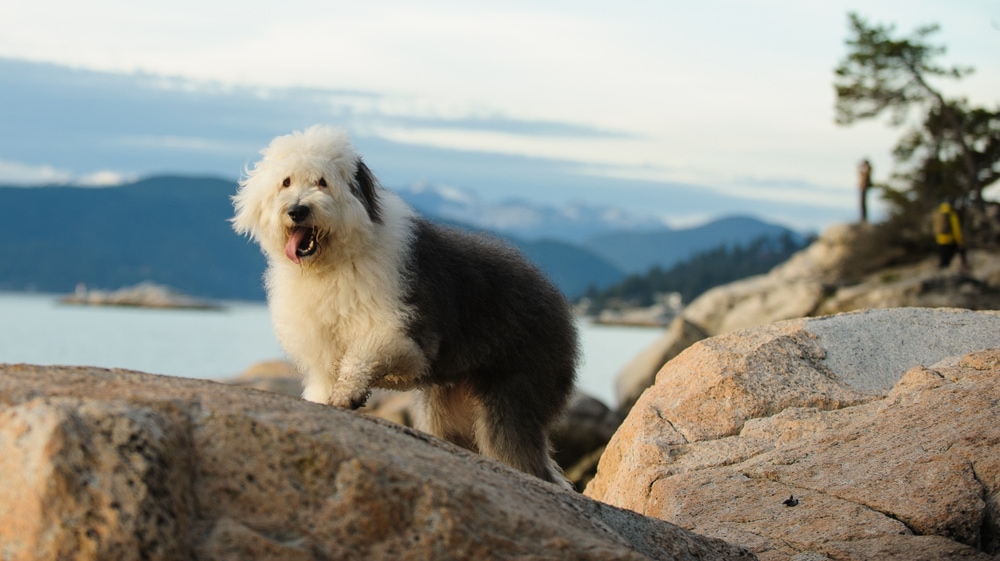
As an animal lover and veterinarian, I‘ve long been fascinated by the incredible diversity and rich history of dog breeds hailing from England. This small but mighty nation has had an outsized influence on the development of many of the world‘s most cherished and iconic breeds. From the noble Mastiff to the perky Corgi, English dogs are renowned for their distinctive looks, winning personalities, and unwavering devotion to their humans.
England‘s dog breeding tradition stretches back centuries, with various breeds meticulously developed to serve as expert hunters, herders, guardians and companions. According to The Kennel Club, the U.K.‘s official purebred dog registry, there are over 60 distinct breeds that originate in England, Scotland and Ireland. Many of these rank among the most popular dog breeds not just in Britain, but in the U.S. and numerous other countries worldwide.
Retrievers Reign Supreme
When it comes to England‘s most beloved canine exports, the Labrador Retriever sits at the top of the heap. Labs have been the most popular breed in the U.S. for a record-breaking 30 consecutive years according to the American Kennel Club‘s registration statistics. In the U.K., Labradors also consistently place in the top ten most numerous breeds.
It‘s easy to see why these friendly, outgoing, eager-to-please dogs have captured so many hearts. As sporting group dogs originally bred to retrieve game, Labs are blessed with an abundance of stamina and trainability. Their versatility and work ethic is unmatched. Today, you‘ll find Labs serving in a variety of roles beyond hunting companions – as service dogs, therapy dogs, search-and-rescue dogs, and more.
The Golden Retriever, another sporting breed developed in England with a devoted following, is nipping at the Lab‘s heels in the popularity contest. Goldens rank 3rd in AKC registrations in the U.S. and 4th in the U.K. Like Labs, these intelligent, highly trainable dogs excel as working K-9s and companions.
Toy Breeds: Small in Stature, Big on Charm
England is also the birthplace of some of the most adorable and portable pooches on the planet. Toy breeds like the Yorkshire Terrier, Cavalier King Charles Spaniel, and English Toy Spaniel were often developed as lapdogs for noble ladies or favored pets of royalty.
The Cavalier King Charles Spaniel, for example, was the breed of choice for King Charles I and his son Charles II in the 17th century. The little spaniels were selectively bred as the perfect package of beauty, grace and cuddle-ability. Today, Cavaliers consistently rank as one of the most popular toy breeds worldwide. Unfortunately, the breed is also prone to some serious health issues like the neurological disorder Syringomyelia (SM). Studies have found that up to 70% of Cavaliers are affected by SM due to their physical structure. Responsible breeding and genetic testing is critical for the breed‘s welfare and future.
Toy breeds may be small in stature, but they tend to have oversized personalities. The mighty Yorkshire Terrier, which typically weighs in at just 4-7 pounds, is famous for its feisty, terrier-tude. Yorkies were originally bred as ratters in clothing mills and coal mines, and they retain that fearlessness and prey drive to this day. These tiny but mighty dogs consistently rank in the top 10 most popular breeds in the U.S., U.K., and many other countries.
Bulldogs and Mastiffs: Gentle Giants
On the opposite end of the size spectrum are the brawny Bulldogs and Mastiffs. These muscular breeds were developed as fighting and guard dogs, but today they are known more for their gentle, laid-back demeanors. The Bulldog, with its pudgy, wrinkly mug, has become a global symbol of British tenacity and stiff upper lip. Bulldogs even serve as mascots for sports teams like University of Georgia and the U.S. Marine Corps.
The Mastiff breeds, which include the English Mastiff, Bullmastiff, and other variations, are truly larger than life. These behemoths can tip the scales at over 200 pounds and stand 30 inches at the shoulder. Mastiffs are often called "gentle giants" because despite their imposing size, they tend to be quite docile and tolerant. For centuries, these brave dogs served nobly as war dogs and guardians. Today, most are content to lounge around as colossal couch potatoes.
While Bulldogs and Mastiffs may be among the most iconic English breeds, they are also some of the most beset by health problems. Centuries of selective breeding for exaggerated physical features like flattened faces, excess wrinkles, and massive size have led to a range of issues in these brachycephalic breeds. Breathing difficulties, overheating, joint and mobility problems, and reduced lifespan are sadly common. According to a study by the University of Georgia, Bulldogs have the highest health risks of any dog breed. As a veterinarian and dog lover, I believe it‘s critical that breeders and breed clubs prioritize the health and welfare of these lovable dogs over ribbon-chasing aesthetics.
Famous Brits: English Dogs in Pop Culture
Over the centuries, many English dog breeds have worked their way into both the hearts and popular culture of dog lovers worldwide. Renowned Brits and their equally famous canine companions have played a fascinating role in shaping breed popularity and perceptions.
Queen Elizabeth II‘s lifelong love of the Pembroke Welsh Corgi is credited with sparking the "Corgi craze" and popularizing these plucky little herders as companions. Over her 7-decade reign, the Queen owned dozens of Corgis, many of whom made frequent appearances in photos and videos of the royal family. The Corgi breed‘s association with the Queen has made them an enduring symbol of British culture.
Other notable English dogs in pop culture include Bulldog Tillman, a skateboarding and skimboarding sensation turned celebrity spokes-dog, and Sykes, the scene-stealing Bulldog from the movie "Oliver!" Slinky, the Basset Hound famed for his "spring" in the Toy Story movies, is another lovable ambassador for his breed. Through books, movies, and media, our most beloved English breeds continue to capture imaginations and win new fans.
An Enduring Legacy
From stalwart pack hunters to pampered lapdogs, English dog breeds have played an outsized role in canine history and in our hearts. The incredible diversity and versatility of these breeds is a testament to centuries of careful breeding and a uniquely British passion for dogs. Many of the traits that make English breeds so beloved – their courage, loyalty, tenacity, adaptability and irrepressible zest for life – are reflections of the character of the people who developed them.
While breed popularity may ebb and flow, the most iconic English breeds like Labs, Goldens, Spaniels, Bulldogs and Yorkies seem poised to retain their top dog status for years to come. At the same time, some of England‘s most historic but lesser known breeds are at risk of fading into obscurity as our lifestyles and relationships with dogs change. Preservation efforts by organizations like the U.K. Kennel Club‘s Vulnerable Breeds Committee are helping to promote and protect breeds like the Sussex Spaniel, Smooth Collie, and Lancashire Heeler.
As a veterinarian, all breeds are dear to my heart. But I confess I have a special fondness for the English breeds I‘ve been privileged to care for over the years. From the noble Mastiff to the clownish Corgi, these dogs never fail to charm me with their distinctive personalities and zest for life. We have England to thank for giving the world such a marvelous assortment of devoted, delightful, and endlessly lovable dogs. Here‘s to you, English breeds – you‘re simply the best!