
Boxer vs Pitbull: The Differences (With Pictures)

Boxer vs Pitbull: A Comprehensive Comparison
When it comes to choosing a loyal, affectionate, and energetic canine companion, both Boxers and Pitbulls often come to mind. While these popular breeds share some similarities, they also have distinct differences that prospective owners should carefully consider. In this in-depth comparison, we‘ll explore the history, physical attributes, temperament, training needs, health concerns, and suitability of Boxers and Pitbulls to help you determine which breed might be the best fit for your lifestyle.
Origins and History
The Boxer‘s ancestors were German hunting dogs known as Bullenbeissers, prized for their strength and agility in chasing and holding large game like wild boar and bison. In the late 19th century, breeders in Munich began refining the Bullenbeisser into a smaller, more agile dog better suited for companion and guard dog roles. The modern Boxer soon became one of Germany‘s most popular breeds, later spreading to other parts of Europe and the United States.
Pitbulls, on the other hand, descend from the cross-breeding of Old English Bulldogs and various Terrier breeds in 19th century England, originally for the cruel sports of bull-baiting and dog fighting. As these practices were outlawed, Pitbulls increasingly assumed the roles of farm dogs, family pets, and even military mascots. Many were brought to America by immigrants, where they continued to be bred for fighting and became popular working and guard dogs.
Physical Characteristics
Boxers are medium to large dogs with short, smooth coats that are typically fawn or brindle with white markings. They have distinctive square heads, undershot jaws, and muscular, athletic builds. Males stand 23-25 inches tall and weigh 65-80 pounds, while females are slightly smaller at 21-23 inches and 50-65 pounds. Their tails are usually docked and ears cropped, though these cosmetic practices are becoming less common.
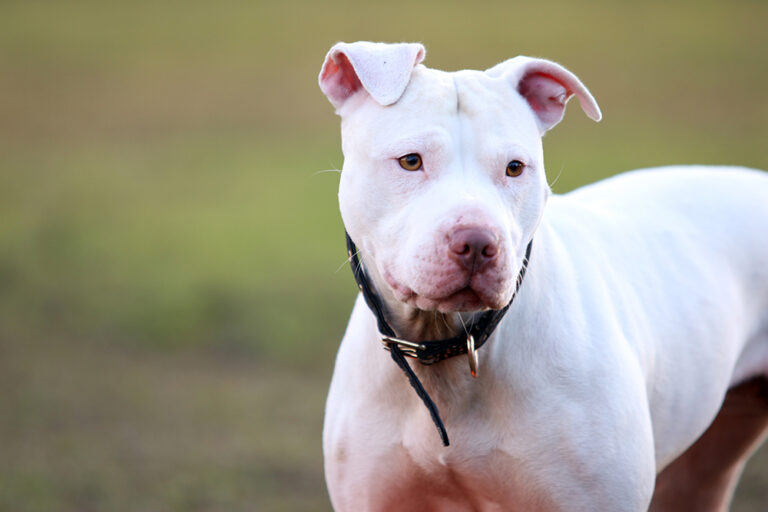
The term "Pitbull" can refer to several related breeds, including the American Pit Bull Terrier, American Staffordshire Terrier, and Staffordshire Bull Terrier. They range from medium to large size with short, smooth coats in various colors like black, brown, white, and brindle. Pitbulls have broad, flat heads, muscular bodies, and whip-like tails. They typically stand 17-21 inches tall and weigh 30-60 pounds.
Temperament and Personality
Boxers are known for their playful, goofy, and high-spirited nature. They are intelligent, curious, and eager to please, but can also be headstrong and a bit stubborn at times. Boxers tend to be patient and affectionate with children, making them excellent family dogs. They are instinctive guardians with suspicious attitudes toward strangers, but generally respond well to socialization. Boxers crave attention and companionship, often following their owners from room to room.
Pitbulls are typically friendly, loyal, and affectionate dogs with a zest for life. They are strong-willed but highly trainable, with a desire to please their owners. When raised in loving homes and properly socialized, Pitbulls can be wonderful family pets that adore children. They have a high prey drive and may not do well with small animals like cats, but often enjoy the company of other dogs. Pitbulls are sensitive souls that thrive on human interaction and do best with lots of attention.
Training and Exercise Needs
Both Boxers and Pitbulls require consistent training and socialization from an early age to become well-behaved pets. They are intelligent breeds that respond best to positive reinforcement methods like praise, treats, and play. Firm but fair leadership is essential, as both breeds can be strong-willed and need clear boundaries. Enrolling in obedience classes or working with a professional trainer can be beneficial, especially for first-time owners.
As energetic and athletic dogs, Boxers and Pitbulls need plenty of daily exercise to stay physically and mentally healthy. Boxers require at least an hour of vigorous activity each day, such as jogging, hiking, or playing fetch. They also enjoy mentally stimulating games and puzzle toys. Pitbulls have similar exercise needs, thriving on long walks, runs, and playtime. Both breeds can become destructive if bored or under-exercised, so keeping them active is crucial.
Health Concerns
Responsible breeders strive to produce healthy dogs, but like all breeds, Boxers and Pitbulls are prone to certain health issues. Boxers may be at higher risk for hip dysplasia, heart conditions like aortic stenosis and cardiomyopathy, thyroid deficiency, and certain cancers. They are also a brachycephalic breed, meaning their short snouts can cause breathing difficulties and heat intolerance.
Pitbulls are generally healthy dogs, but can be susceptible to hip and elbow dysplasia, hypothyroidism, allergies, and eye problems like cataracts. They may also be prone to weight gain, so monitoring their diet and exercise is important. Regular vet check-ups, screening tests, and a nutritious diet can help prevent or manage many health concerns for both breeds.
Lifespan
With proper care, Boxers typically live 10-12 years, while Pitbulls often reach 12-14 years. Some factors that can influence lifespan include genetics, diet, exercise, living environment, and overall health care.
Grooming
Both Boxers and Pitbulls have short, smooth coats that are relatively low-maintenance. Weekly brushing with a soft bristle brush or rubber grooming mitt can help remove loose fur and keep their coats shiny. They only need occasional baths when dirty. Both breeds are moderate shedders, though Pitbulls may shed a bit more heavily. Regular nail trims, ear cleanings, and dental care are also important grooming tasks.
Living Situation Suitability
Boxers and Pitbulls are adaptable dogs that can thrive in various living situations when their exercise and companionship needs are met. As medium to large breeds, they do best in homes with securely fenced yards where they can run and play. Boxers, in particular, are exuberant jumpers that need higher fences. Both breeds can adapt to apartment living if given enough daily outdoor exercise, but may not be ideal for small spaces due to their energetic nature.
Pitbull ownership may be affected by breed-specific legislation or housing restrictions in some areas. It‘s crucial to research local laws and regulations before considering a Pitbull.
Family Compatibility
Boxers and Pitbulls can make wonderful family companions, known for their affection, loyalty, and playful spirit. They typically adore children and have a high tolerance for the noise and commotion of active households. However, their size, strength, and exuberance can unintentionally knock over small children, so supervision is key. Teaching kids how to respectfully interact with dogs is also essential.
Both breeds tend to get along well with other dogs, especially when socialized from an early age. However, Pitbulls may have a higher prey drive and could view small animals like cats or rabbits as potential targets. Gradual introductions and training can help foster peaceful multi-pet households.
Public Perception and Breed Stereotypes
Unfortunately, Boxers and Pitbulls have been subjected to negative stereotypes and misconceptions. Boxers are sometimes labeled as aggressive or dangerous due to their muscular appearance and guardian instincts, while Pitbulls have long been stigmatized as inherently vicious dogs prone to attacking humans and other animals.
In reality, a dog‘s temperament and behavior are primarily influenced by breeding, training, socialization, and individual experiences, not breed alone. Aggression is not unique to any one breed, and the majority of Boxers and Pitbulls are friendly, loving companions. Responsible ownership, education, and advocacy are essential for combating harmful breed stereotypes and promoting a more accurate understanding of these dogs.
Choosing Between a Boxer and Pitbull
Deciding between a Boxer and Pitbull ultimately depends on your lifestyle, preferences, and ability to meet each breed‘s specific needs. Both require dedicated owners willing to provide plenty of exercise, training, socialization, and companionship. Boxers may be a better fit for active households that want a playful, goofy, and loyal guardian, while Pitbulls can thrive with owners who appreciate their affectionate, people-oriented nature and are committed to responsible ownership and ongoing training.
Prospective owners should research breeders carefully, meet adult dogs of their preferred breed, and spend time with them in various situations to get a feel for their temperament and energy level. Adopting from reputable rescues or shelters is another wonderful way to find the right dog, as staff can help match you with a compatible Boxer or Pitbull based on your lifestyle and expectations.
Regardless of which breed you choose, providing a loving home, proper training, socialization, and care will help your Boxer or Pitbull thrive as a cherished companion. While they may have some differences, both breeds share an incredible capacity for love, loyalty, and the ability to bring immense joy to their families.




)