Everything You Need to Know About the Chilier Dog Breed
Are you considering adding a Chilier to your family? This comprehensive guide covers everything you need to know about this adorable hybrid breed, from their origins and personality to their health and care requirements. By the end, you‘ll have a clear idea if a Chilier is the right dog for you.
What is a Chilier?
A Chilier is a cross between a purebred Cavalier King Charles Spaniel and a Chihuahua. This relatively new designer breed combines some of the most desirable traits from each parent breed into a compact, affectionate companion dog.
While the exact origins of Chiliers are unclear, they likely originated in the United States sometime in the last 20-30 years as demand for small hybrid dogs grew. Crossing the gentle, adaptable Cavalier with the feisty, loyal Chihuahua results in an appealing blend of characteristics.
As a newer mixed breed, Chiliers are not recognized by major kennel clubs like the American Kennel Club. However, they can be registered with organizations such as the American Canine Hybrid Club, Designer Dogs Kennel Club, and more.
Chilier Characteristics
Since the Chilier is a first generation hybrid, their appearance and temperament can vary quite a bit depending on which parent breed they favor. In general though, here‘s what you can expect from this charismatic little dog:
Size and Appearance
Chiliers are small dogs, typically weighing between 6-12 pounds and standing 8-10 inches tall at the shoulder when fully grown. Their compact size makes them well-suited for apartment living and travel.
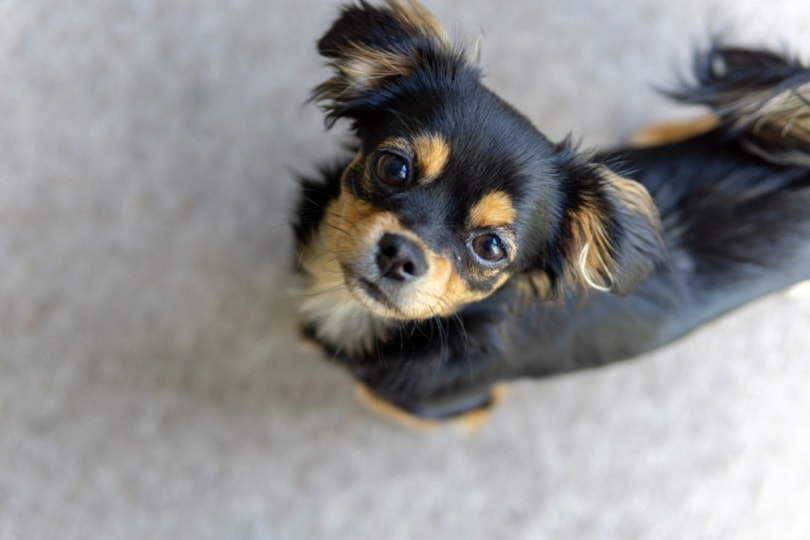
Most Chiliers have a slightly longer than tall body like a Cavalier but with the rounded apple-shaped head of a Chihuahua. They have medium-length muzzles, dark expressive eyes, and high set ears that can be erect like a Chihuahua or dropped like a Cavalier.
Chiliers can inherit any coat colorings and patterns from their parent breeds. Common colors include black, white, tan, ruby, and mixes of these shades. Their medium-length double coat is soft and silky with feathering on the ears, chest, legs and tail.
Temperament
Chiliers are known for being outgoing, social, affectionate dogs that thrive on human companionship. They love being the center of attention and will often follow their owners from room to room. Most bond very closely with their families and can experience separation anxiety if left alone for long periods.
As a toy breed with moderate to high energy levels, Chiliers do best with daily walks and regular playtime. They enjoy activities that stimulate them mentally too, such as obedience training, puzzle toys, hide-and-seek games, and even dog sports like agility or rally.
The spirited, sometimes stubborn nature of the Chihuahua mixed with the eager-to-please personality of the Cavalier means Chiliers can have an independent streak. The key to a well-behaved Chilier is starting socialization and training early with a firm but loving approach.
Chiliers typically do well with other dogs and kids when raised together. However, their small size makes them vulnerable to injury, so any interactions with young children or larger dogs should be supervised. With their protective instincts and tendency to bark at strangers, Chiliers can make excellent watch dogs.
Chilier Health
While mixed breed dogs are often healthier than their purebred counterparts, Chiliers can still be prone to some hereditary health issues. The most common health problems seen in the breed include:
-
Patellar Luxation: This orthopedic condition occurs when the kneecap dislocates or pops out of place. It can cause lameness and arthritis over time. Surgery may be required in severe cases.
-
Mitral Valve Disease: This heart disease results in a leaky mitral valve, which can lead to congestive heart failure if left untreated. It‘s more common in Cavaliers but can affect Chiliers too.
-
Dental Disease: Like many toy breeds, Chiliers are prone to dental issues like gum disease, tooth decay, and premature tooth loss. Regular brushing and professional cleanings are essential.
-
Eye Problems: Chiliers may inherit eye conditions like cherry eye, dry eye, cataracts, and retinal dysplasia from their parent breeds. Screening is important to catch any issues early.
-
Collapsed Trachea: The windpipe can become narrow and collapse, making it difficult for the dog to breathe. Using a harness instead of a collar can help reduce strain on the neck.
Reputable Chilier breeders will screen their breeding stock for health issues and provide health clearances for puppies. However, no dog is immune from illness, so it‘s vital to maintain regular vet checkups, stay up to date on preventative care, and watch for any signs of problems.
With proper care and some luck, Chiliers have an average lifespan of 12-16 years – longer than many other small breeds. The oldest known Chilier lived to be an incredible 20 years old!
Grooming a Chilier
Despite their luxurious locks, Chiliers are a relatively low maintenance breed when it comes to grooming. Their silky coat resists matting and tangling better than most long-haired breeds.
Brushing a Chilier‘s coat a few times a week will keep it healthy and remove any loose fur. Occasional bathing, typically every 4-8 weeks, will help keep the coat and skin clean without stripping away natural oils.
In addition to coat care, basic grooming includes trimming nails regularly, cleaning ears weekly, and brushing teeth daily if possible (or at least a few times a week). Starting these routines when your Chilier is a puppy will get them used to being handled.
Like both Chihuahuas and Cavaliers, Chiliers shed moderately year-round and may blow their coat twice a year with the changing seasons. Regular brushing and a healthy diet can minimize shedding. Allergy suffers should be aware that no dog is truly hypoallergenic.
Feeding a Chilier
Chiliers have high metabolisms and can be prone to low blood sugar if they go too long without eating. Most do best with 2-3 small meals a day rather than one large serving.
The amount you feed will depend on your dog‘s age, size, and activity level but ranges from 1⁄4 to 1 cup of high-quality dry food daily. Avoid free feeding, as Chiliers gain weight easily which puts strain on their joints.
Because of their small mouths and crowded teeth, Chiliers can be picky eaters. Wet food, a topper, or rehydrating kibble with warm water can entice them to eat. Breaking treats into small pieces will help prevent choking and keep calories under control.
Your veterinarian is the best resource for tailoring a diet to your individual dog‘s needs, especially if they have any health issues like allergies or digestive problems. They can also teach you how to body condition score to keep your Chilier at an ideal weight.
Training and Exercising a Chilier
The key to a well-mannered Chilier is socialization and training starting as early as possible. Take them to puppy classes, expose them to different people and situations, and make training a lifelong commitment.
Chiliers are intelligent and eager to please but they can also be independent thinkers. Keep training sessions short, fun, and full of positive reinforcement like praise, petting, and treats. Harsh corrections are never appropriate for this sensitive breed.
Despite their small size, Chiliers need daily exercise and mental stimulation to stay happy and healthy. Aim for at least 30 minutes of activity each day, broken up into a couple walks and play sessions.
Puzzle toys, treat dispensers, and games like hide and seek are great ways to engage their smart minds. Teaching tricks or competing in dog sports also provides an outlet for their energy and strengthens your bond.
Since Chiliers can be defensive toward other dogs, introducing them to friendly, vaccinated dogs from a young age is important. Puppy playdates, trips to the dog park, and group walks teach them good canine social skills. Reward them for polite interactions.
Housetraining a tiny breed like a Chilier can be a challenge, so be patient and consistent. Crate training gives them a safe space and teaches bladder control. Take them out frequently, especially after meals and naps, and give lots of praise and treats when they potty outside.
Getting a Chilier
Adding any dog to your family is a big commitment, so it‘s important to do your research and find a reputable Chilier breeder or rescue organization. This is a crucial step in bringing home a healthy, well-socialized pup.
A responsible Chilier breeder will health test their dogs, provide a written contract and health guarantee, and allow you to visit their facilities. They‘ll ask lots of questions to make sure you‘re a good fit and continue to be a resource throughout your dog‘s life.
Expect to pay anywhere from $1,000 to $3,000 for a Chilier puppy from a quality breeder, depending on your location and the pup‘s pedigree. You may need to join a waiting list, as this rare breed has small litters, and responsible breeders don‘t always have puppies available.
If you‘re interested in adopting, check out breed-specific Cavalier and Chihuahua rescue organizations. They sometimes take in puppies and adults of mixed breeds too. Let them know you‘re interested in a Chilier or similar crossbreed. Adoption fees typically range from $200 to $500.
Before bringing your Chilier home, puppy-proof your house and stock up on essential supplies like:
- Crate and bedding
- Food and water bowls
- High-quality puppy food
- Collar and leash
- Grooming tools like a brush and nail clippers
- Dental care products
- Puppy pads for housetraining
- Safe chew toys and puzzle feeders
A little preparation and the right gear will help your new family member settle in. Be sure to schedule a check-up with your veterinarian within a few days of bringing them home to ensure they‘re healthy and get them started on preventative care.
Should you get a Chilier?
Now that you know all about the Chilier‘s background, personality, and needs, it‘s time to decide if this adorable hybrid is the right fit for you. Chiliers can make wonderful companions for many types of homes, but they‘re especially well-suited for:
- Singles, couples, or families looking for a small, portable dog to join all their adventures
- Apartment or condo dwellers seeking a compact, moderate energy pup
- First-time dog owners who want an affectionate, relatively low maintenance breed
- Homes without very young children that can commit to training and socializing
- People who want a "velcro" dog that will be their constant shadow
On the other hand, Chiliers may not be an ideal choice if you:
- Have a busy lifestyle and can‘t provide enough attention and exercise
- Want a very laid back lap dog – Chiliers are lively and can be barky
- Prefer a very large or very tiny breed – Chiliers fall in the small-medium range
- Don‘t want to deal with housetraining challenges or potential separation anxiety
- Have severe dog allergies, as Chiliers are moderate shedders
Ultimately, the right dog for you depends on your individual preferences, lifestyle, and home environment. Meeting Chiliers in person, talking to owners and breeders, and working with a trainer are great ways to decide if this adorable, affectionate breed is your perfect match.