
Everything You Need to Know About the Doodleman Pinscher: The Doberman Poodle Mix
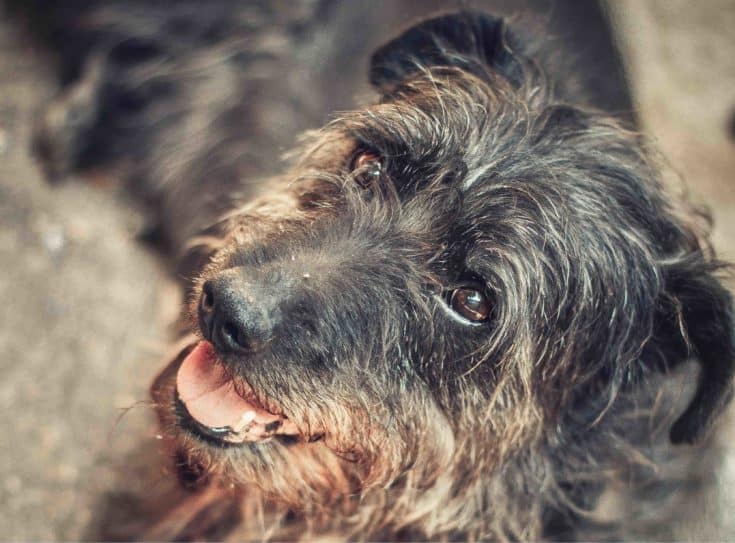
If you‘re looking for a loyal, intelligent, and protective companion, the Doodleman Pinscher may be the perfect dog for you. This designer breed, a cross between a Doberman Pinscher and a Standard Poodle, combines some of the best traits of both parent breeds into one impressive package.
In this comprehensive guide, we‘ll dive deep into the origin, characteristics, care requirements, and more of the Doodleman Pinscher. By the end, you‘ll have all the information you need to decide if this unique hybrid is the right fit for your lifestyle and family.
The History and Origin of the Doodleman Pinscher
The Doodleman Pinscher is a relatively new crossbreed that first emerged in the 1980s, during a time when so-called "designer dogs" were increasing in popularity. Breeders aimed to create a medium-to-large sized dog that possessed the intelligence, non-shedding coat, and friendly demeanor of the Poodle along with the loyalty, trainability, and protective instincts of the Doberman.
To better understand the Doodleman, it helps to know a little about the parent breeds:
The Doberman Pinscher originated in Germany in the late 19th century. They were developed by a tax collector named Louis Dobermann, who wanted a medium-sized dog to accompany him on his rounds and protect him from potential robbers. Through selective breeding of various breeds like the Rottweiler, Black and Tan Terrier, and German Pinscher, he created an intelligent, alert, and loyal dog that excelled as a guard dog and companion. While early Dobermans had a reputation for being aggressive, decades of responsible breeding have resulted in the affectionate, family-friendly dogs we know today.
Poodles, despite a reputation for being a "foo foo" show dog, were originally bred as retrieving water dogs in Germany. Their name comes from the German word "pudelin," which refers to splashing in water. The Standard Poodle is the largest of the three Poodle varieties and is exceptionally intelligent, easy to train, and active, excelling in various dog sports. They‘re also famous for their hypoallergenic, non-shedding coats that have made Poodles a popular choice for crossing with other breeds.
By crossing these two remarkable breeds, the Doodleman Pinscher aims to offer the best of both worlds to dog lovers who appreciate the unique looks and personality of this hybrid.
Doodleman Pinscher Characteristics
Size and Appearance
As a mix between two medium-to-large sized breeds, the Doodleman Pinscher typically stands 24 to 28 inches tall at the shoulder and weighs between 65 to 90 pounds when fully grown. However, since they are a mixed breed, there can be some variation in size.
They often have a muscular, athletic build like the Doberman but with the curlier coat of the Poodle. Coat colors can vary and may include black, white, red, blue, fawn, or a combination of colors. While they usually have the longer muzzle and floppy ears of the Doberman, some may have more Poodle-like features.
Many Doodlemans have the low-shedding, hypoallergenic coat of the Poodle, which is a big draw for allergy sufferers. However, this can‘t be guaranteed and some may take more after the Doberman‘s coat.
Temperament and Personality
Doodleman Pinschers are generally intelligent, loyal, and protective dogs that bond closely with their families. They can be aloof or cautious around strangers and have the natural instinct to guard the home, but are usually loving and affectionate with their people.
As with both parent breeds, the Doodleman needs plenty of mental stimulation and interaction to be happy and well-behaved. Boredom and lack of exercise can lead to undesirable behaviors like excessive barking, chewing, or hyperactivity.
While they have a moderate to high energy level, Doodlemans are often less intense and more even-tempered than purebred Dobermans. They‘re usually good with children when socialized from a young age and can get along well with other dogs and pets in the household, especially if raised together.
However, the strong prey drive of the Doberman may come through, so the Doodleman is often not recommended for homes with small pets like cats or rabbits unless carefully trained.
Early socialization and obedience training is a must to nurture their friendly personality, curb any potential aggression, and bring out their best traits as a well-mannered companion.
Caring for Your Doodleman Pinscher
Grooming
The grooming needs of a Doodleman Pinscher will vary depending on which coat type they inherit. Typically they have a medium-to-long curly or wavy coat that sheds minimally compared to most dogs, thanks to the Poodle influence.
Brushing 2-3 times per week helps prevent matting and keeps the coat looking neat and healthy. Many owners prefer to keep the coat trimmed short, especially in the summer months. Regular haircuts every 6-8 weeks can help maintain a manageable length and avoid the shaggy look.
Bathing every 4-6 weeks or as needed is usually sufficient. It‘s also important to keep their nails trimmed, brush their teeth several times a week, and clean their ears regularly to avoid infections, especially if they have the characteristic floppy Poodle ears.
Exercise and Activity
As the offspring of two active, working breeds, Doodleman Pinschers require a fair amount of exercise to stay physically and mentally fit. At minimum, expect to provide 60-90 minutes per day of walks, jogs, play sessions, or other activities. They excel at canine sports like obedience, agility, and tracking and need a job to do, whether it‘s learning new tricks or accompanying you on hikes.
Access to a securely fenced yard is ideal to allow plenty of room to run and play during the day, but the Doodleman should still be primarily an indoor dog and part of the family. They don‘t do well left alone for long periods and can develop separation anxiety or destructive habits without enough attention and exercise.
Training
The Doodleman Pinscher is a highly intelligent and trainable dog, but that doesn‘t necessarily mean they‘re a pushover to train. They need a confident, consistent leader who can establish clear boundaries and not give in to their headstrong or stubborn moments.
Like with both parent breeds, positive reinforcement methods work best with the sensitive Doodleman and will result in a responsive, eager-to-please companion. Harsh corrections or punishment can damage their trust and confidence.
Start socialization and basic obedience from an early age and maintain regular training throughout their life to keep them mentally stimulated. Enrolling in a puppy class or basic manners course is a great way to learn effective techniques and build a strong bond with your Doodleman.
Advanced training in sports, tricks, therapy work, or even protection training can be a great outlet for this smart, capable breed. However, it‘s best to work with an experienced trainer to avoid encouraging unwanted aggressive behavior.
Health and Lifespan
While mixed breed dogs are often heartier than their purebred counterparts, Doodleman Pinschers can still be prone to some hereditary health issues seen in Dobermans and Poodles, including:
- Hip dysplasia
- Bloat (gastric torsion)
- Certain cancers
- Von Willebrand disease
- Dilated cardiomyopathy
- Progressive retinal atrophy
- Addison‘s disease
- Hypothyroidism
Buying from a reputable breeder who health tests their breeding stock can help minimize the risk of inherited disorders. It‘s also important to maintain regular vet check-ups, provide a high-quality diet, and avoid overexercising during their rapid growth stage to promote healthy development.
With proper care, Doodleman Pinschers can live between 10-14 years on average. Spaying/neutering, keeping up with preventive care, and maintaining a healthy weight through diet and exercise can help your Doodleman live a long, happy life.
Is a Doodleman Pinscher Right For You?
While Doodleman Pinschers can make excellent companions for the right owners, they‘re not the ideal choice for everyone. Consider the following before bringing a Doodleman into your life:
-
Doodlemans need plenty of exercise and mental stimulation to thrive. They‘re not well-suited for sedentary homes or owners who work long hours.
-
Training and socialization are a must, so be prepared to devote time and energy to your Doodleman, especially during their critical first year. Prior dog experience is helpful.
-
Doodlemans may not be the best choice for first-time dog owners, due to their high intelligence and potential stubbornness. They need a firm but fair leader.
-
While they can adapt to apartment living if their exercise needs are met, a home with a securely fenced yard is preferable.
-
They have the potential to be protective, so it‘s important to socialize extensively to avoid guarding or aggressive behaviors. They may not be a good fit for homes with very young children.
-
Grooming needs can be extensive, so be prepared for regular brushing and trips to the groomer. They may not be 100% hypoallergenic.
-
Due to their rising popularity, Doodlemans can be expensive, ranging from $1500 to over $5000 from a reputable breeder. Adopting from a rescue group is a great alternative.
If you‘re willing to put in the time and effort to train, socialize, and exercise your Doodleman Pinscher, you‘ll be rewarded with a loyal, loving, and protective companion who will be by your side for years to come.
While no dog is perfect, the Doodleman Pinscher comes pretty close for active dog lovers who appreciate their unique combination of intelligence, athleticism, and devoted personality wrapped up in a low-shedding package. With the right care and training, the Doodleman Pinscher can truly be the ultimate family dog.


