27 Beautiful Black Dog Breeds: Pictures, Facts & History

Black Dog Breeds: Majestic, Loyal, and Incredibly Versatile
Introduction
There‘s an undeniable appeal to black dog breeds. Whether it‘s their sleek, striking appearance, their reputation for loyalty and intelligence, or their versatility in both work and companionship roles, black dogs have captured the hearts of dog lovers worldwide. From the ever-popular Labrador Retriever to the regal Great Dane, big black dog breeds in particular have a devoted following. In this comprehensive guide, we‘ll explore the fascinating world of black dog breeds, with a special focus on the larger varieties.
The Evolution of Black Coats in Dogs
Have you ever wondered why so many dog breeds come in black? The answer lies in the fascinating history of canine evolution and domestication. In the wild, black coats provided dogs with numerous advantages. The dark coloring allowed them to blend into their surroundings, especially at night, making them more effective hunters and less visible to predators. Black coats also offer superior heat regulation, as the dark hairs absorb more sunlight and keep the dog warmer in cold climates.
Some of the oldest known dog breeds, such as the powerful Mastiff-type dogs of ancient Mesopotamia and Egypt, often sported black coats. As dogs were domesticated and bred for various purposes, the black coloration was passed down through generations and became a hallmark of many breeds we know and love today.
Big Black Dog Breeds
When it comes to big black dog breeds, a few names immediately spring to mind. Let‘s take a closer look at some of the most popular and impressive large breeds known for their striking ebony coats.
- Labrador Retriever
The Labrador Retriever has reigned as America‘s most popular dog breed for over two decades, and it‘s easy to see why. These friendly, outgoing dogs are incredibly versatile, excelling as family pets, service dogs, therapy animals, and hunting companions. Labs come in three colors – black, yellow, and chocolate – with black being the most common.
Originally bred in Newfoundland as fishing and hunting dogs, Labradors are known for their love of water and their strong retrieving instincts. Their short, dense coats are relatively easy to maintain, requiring regular brushing to minimize shedding. Labs are high-energy dogs that need plenty of exercise and playtime to stay happy and healthy.
- Rottweiler
The powerful, muscular Rottweiler is another iconic big black dog breed (though they do have distinctive tan markings). Originating in Germany as a herding and guard dog, Rotties have a reputation for being fiercely loyal and protective of their families.
While they may look imposing, Rottweilers are actually quite gentle and affectionate with their loved ones. They are intelligent and trainable, but require a firm, consistent hand in training due to their independent streak. Rotties have a short, straight outer coat and a soft undercoat, which sheds moderately. Regular brushing and occasional baths will keep their coat looking sleek and shiny.
- German Shepherd
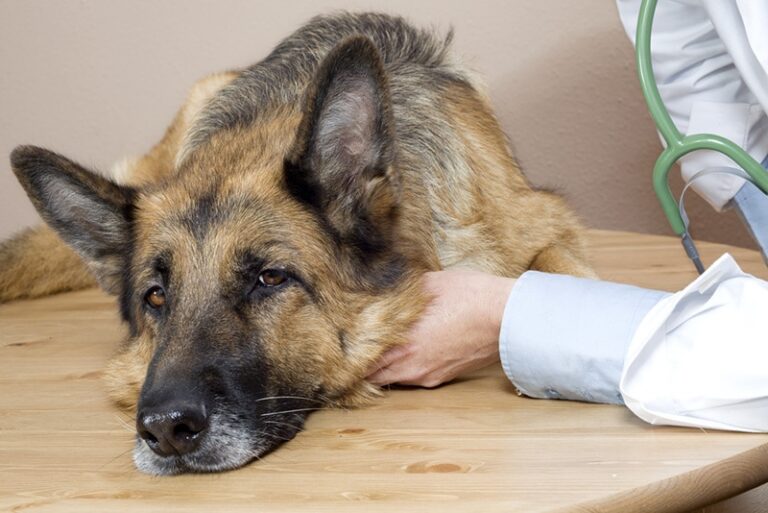
The noble German Shepherd is a true jack-of-all-trades in the dog world. These intelligent, highly trainable dogs excel in a wide variety of roles, from police and military work to service and therapy, and of course, as devoted family companions. While German Shepherds come in a range of colors, the classic black-and-tan and solid black variations are among the most recognizable.
German Shepherds are known for their loyalty, courage, and protective instincts. They form strong bonds with their families and are excellent with children when properly socialized. As a herding breed, they have high energy levels and require plenty of exercise and mental stimulation to stay happy and well-behaved. Their thick, double coats shed heavily, so regular brushing is a must to keep loose hair under control.
- Newfoundland
The gentle giant of the dog world, the Newfoundland is a massive, muscular breed with a sweet, nurturing nature. These big black beauties were originally bred on the island of Newfoundland as working dogs, helping fishermen pull nets and haul equipment. They are also renowned for their water rescue abilities, thanks to their webbed feet and strong swimming skills.
Despite their impressive size (males can weigh up to 150 pounds!), Newfoundlands are known for being exceptionally patient and tolerant, making them wonderful family pets. They have a thick, heavy coat that requires regular brushing and occasional trimming to prevent matting. Newfies are relatively low-energy compared to some other large breeds, but still need moderate exercise to maintain their health and prevent obesity.
- Great Dane
Regal, elegant, and truly larger than life, the Great Dane is a commanding presence in any room. These gentle giants were originally bred in Germany as boar hunting dogs, but today they are primarily kept as loving, loyal companions. While Great Danes come in a variety of colors and patterns, the solid black variety is particularly striking.
Great Danes are known for their friendly, patient demeanor and their affinity for human companionship. They are quite easy to train for such a large breed, responding well to positive reinforcement methods. Despite their short, sleek coats, Danes do shed moderately and require regular brushing to keep their skin and coat healthy. As with many giant breeds, they have relatively short lifespans and are prone to certain health issues such as hip dysplasia and bloat.
Other Notable Big Black Dog Breeds
While we‘ve covered some of the most popular big black dog breeds in detail, there are several other impressive ebony canines worth mentioning:
- Cane Corso: A powerful, muscular Italian breed originally used for hunting and guarding.
- Giant Schnauzer: A larger version of the Standard Schnauzer, known for their intelligence and protective nature.
- Black Russian Terrier: A relatively new breed developed in the former Soviet Union as a military and working dog.
- Portuguese Water Dog: A medium-to-large breed with webbed feet and a water-resistant coat, originally used for fishing and herding.
Medium and Small Black Dog Breeds
Not all black dog breeds are giants – there are plenty of medium and small-sized options for those who prefer a more compact canine companion. Here‘s a brief overview of some notable black breeds in these size categories:
Medium Black Dog Breeds:
- Flat-Coated Retriever: A friendly, energetic sporting breed known for their love of water and their goofy, playful personalities.
- Border Collie: Widely considered the most intelligent dog breed, these agile herding dogs excel in obedience, agility, and other dog sports.
- Cocker Spaniel: A gentle, affectionate sporting breed that comes in both black and parti-color variations.
- Poodle (Standard): The largest of the Poodle varieties, known for their intelligence, hypoallergenic coats, and elegant appearance.
Small Black Dog Breeds:
- Schipperke: A small, fox-like Belgian breed originally used as a watchdog and rat-catcher on canal boats.
- Pug: A charming, mischievous companion breed with a wrinkled face and a clownish personality.
- French Bulldog: A small, muscular breed with upright ears and a playful, adaptable nature.
- Scottish Terrier: A feisty, independent terrier breed with a wiry, weather-resistant coat.
- Affenpinscher: A small, terrier-like breed with a comical, monkey-like expression and a bold, fearless personality.
- Miniature Pinscher: A small, energetic breed often nicknamed the "King of Toys" for their confident, outgoing demeanor.
- Chihuahua: The smallest recognized dog breed, known for their big personalities and loyal, devoted nature.
- Pomeranian: A tiny, fluffy Spitz-type breed with a fox-like face and a lively, inquisitive personality.
Grooming and Care of Black Coats
While black coats are undeniably beautiful, they do require some special care to keep them looking their best. The specific grooming needs will vary depending on the breed and coat type, but here are some general tips for maintaining a healthy, shiny black coat:
-
Regular brushing: Most black dog breeds will benefit from regular brushing to remove loose hair, distribute natural oils, and prevent matting. The frequency of brushing will depend on the length and thickness of the coat, but aim for at least once or twice a week for most breeds.
-
Bathing: While it‘s important not to over-bathe your dog, occasional baths with a high-quality, moisturizing shampoo can help keep the coat clean and shiny. Be sure to rinse thoroughly to avoid irritation or dryness.
-
Diet and supplements: A healthy, balanced diet rich in omega-3 fatty acids can help promote a glossy, lustrous coat. Some owners also swear by supplements like fish oil or coconut oil for added shine.
-
Protection from the sun: While black coats do provide some UV protection, it‘s still important to be mindful of your dog‘s sun exposure, especially during peak hours. Consider using a pet-safe sunscreen on exposed areas like the nose and ears.
Training and Exercise Needs
Many black dog breeds, particularly the larger varieties, are known for their intelligence and trainability. Breeds like the Poodle, Border Collie, and German Shepherd are often ranked among the smartest and most easily trained dogs, excelling in obedience, agility, and other competitive dog sports.
However, with great intelligence comes a great need for mental stimulation. These brainy breeds require plenty of engaging activities and challenges to keep their minds active and prevent boredom-related destructive behaviors. Puzzle toys, interactive games, and ongoing training sessions are all great ways to keep your clever canine entertained.
On the physical side, many big black dog breeds have high exercise needs to match their sizeable statures. Energetic breeds like the Labrador Retriever, Flat-Coated Retriever, and Portuguese Water Dog require daily walks, runs, or swims to stay happy and healthy. Even the more laid-back breeds like the Newfoundland and Great Dane still need moderate exercise to maintain their muscle tone and prevent obesity.
Health Concerns in Black Dog Breeds
As with any dog breed, there are certain health issues that black dog owners should be aware of. Some of these concerns are specific to certain breeds, while others are more common in large or giant breeds in general.
For example, many big black dog breeds like the Rottweiler, German Shepherd, and Newfoundland are prone to hip and elbow dysplasia, a genetic condition that causes painful joint malformation. Giant breeds like the Great Dane are also at higher risk for bloat, a life-threatening condition in which the stomach twists on itself.
Responsible breeders will screen their breeding stock for these and other known genetic issues, so it‘s important to do your research and choose a reputable breeder if you‘re purchasing a purebred black puppy. Adopting an adult dog from a shelter or rescue can also be a great option, as many health issues will already be apparent and the dog‘s temperament will be more established.
Conclusion
From the regal Great Dane to the tiny Affenpinscher, black dog breeds come in a wide range of sizes, shapes, and personalities. Whether you‘re looking for a loyal guardian, a playful companion, or a highly trainable working dog, there‘s sure to be a black breed that fits your lifestyle and preferences.
When selecting a black dog breed, it‘s important to consider factors like grooming needs, exercise requirements, and potential health concerns. Doing thorough research and choosing a reputable breeder or rescue organization can help ensure that you end up with a healthy, well-adjusted canine companion.
Ultimately, the bond between a black dog and their human is a special one. These majestic, loyal, and incredibly versatile breeds have captured our hearts for centuries, and will continue to do so for generations to come. If you‘re lucky enough to share your life with a black dog, cherish the unique love and devotion they bring to your world.