Fawn Great Danes: Gentle Giants with Hearts of Gold

Introduction
Picture a dog with the size and stature of a small pony, but with the grace and elegance of a ballerina. Now, imagine that same dog having a warm, golden coat that seems to radiate with the sun‘s rays. This is the Fawn Great Dane, a majestic and gentle giant that has captured the hearts of dog lovers around the world. In this comprehensive guide, we‘ll delve into the history, characteristics, and care requirements of these magnificent creatures, and explore what makes them such wonderful companions.
The Fawn Great Dane‘s Physical Characteristics
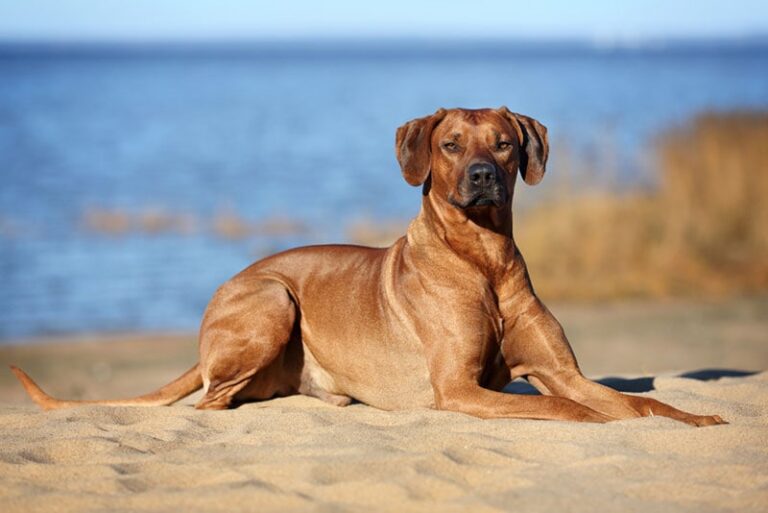
Fawn Great Danes are known for their striking appearance, with their short, smooth coats showcasing a rich, golden hue. This color can range from a light, almost cream-like shade to a deep, reddish-gold, with black masks on their faces adding to their regal look. Their eyes are typically dark brown or amber, with an intelligent and expressive gaze that reflects their gentle nature.
As one of the tallest dog breeds in the world, adult male Fawn Great Danes typically stand at 30-32 inches at the shoulder and weigh between 140-175 pounds. Females are slightly smaller, measuring 28-30 inches and weighing 110-140 pounds. Despite their imposing size, Fawn Great Danes are known for their lean, athletic build and graceful movements. Their ears are medium-sized and folded forward, while their tails are long and tapered, reaching the hock when relaxed.
| Fawn Great Dane Size | Male | Female |
|---|---|---|
| Height (inches) | 30-32 | 28-30 |
| Weight (pounds) | 140-175 | 110-140 |
Source: American Kennel Club (AKC) Breed Standard
Temperament and Personality
Contrary to their intimidating size, Fawn Great Danes are often described as "gentle giants" due to their sweet, affectionate nature. They are known for their patient and tolerant disposition, making them excellent family pets, even in households with children. As one long-time Fawn Great Dane owner shared, "My Dane is the most loving, gentle soul. He‘s so patient with my kids, even when they‘re climbing all over him like a jungle gym!"
Fawn Great Danes are eager to please their owners and respond well to positive reinforcement training. They thrive on human companionship and can become quite attached to their families, sometimes to the point of developing separation anxiety if left alone for extended periods. It‘s essential to provide them with plenty of attention, love, and mental stimulation to keep them happy and well-adjusted.
While Fawn Great Danes are generally friendly and good-natured, their size and strength require owners to provide proper socialization and training from an early age. Like all dogs, they benefit from consistent leadership and guidance to ensure they develop into well-mannered, obedient companions.
Historical Background
The Great Dane breed has a rich history dating back to the 16th century when German noblemen developed large, powerful dogs for hunting wild boar and other big game. These dogs, known as "English Dogges" or "German Boarhounds," were likely a mix of English Mastiffs and Irish Wolfhounds. Over time, the breed evolved into the Great Dane we know today, with fawn being one of the earliest and most popular color variations.
In the late 1800s, the Great Dane gained recognition from various kennel clubs, including the American Kennel Club (AKC) in 1887. The fawn color, along with brindle, black, blue, and harlequin, was among the first to be acknowledged in the breed standard. The Fawn Great Dane‘s popularity as a companion animal grew steadily throughout the 20th century, with their gentle nature and striking appearance winning the hearts of dog lovers worldwide.
Health Concerns and Lifespan
As with many giant breed dogs, Fawn Great Danes are prone to certain health issues. Some of the most common concerns include:
- Hip dysplasia: A genetic condition affecting the hip joint, causing pain and mobility issues. According to the Orthopedic Foundation for Animals (OFA), about 21.5% of Great Danes are affected by hip dysplasia.
- Bloat (gastric dilatation-volvulus): A life-threatening condition in which the stomach fills with gas and twists on itself. Studies have shown that Great Danes have a 42.4% lifetime risk of developing bloat.
- Cardiomyopathy: A heart condition that can lead to heart failure. Approximately 3.9% of Great Danes are affected by dilated cardiomyopathy.
- Osteosarcoma (bone cancer): A malignant tumor that develops in the bone, often affecting large and giant breed dogs. Great Danes have a higher risk of developing osteosarcoma compared to many other breeds.
Responsible breeders strive to minimize these risks by conducting health screenings and carefully selecting breeding stock. The average lifespan of a Fawn Great Dane is 7-10 years, which is typical for giant breed dogs. Regular veterinary check-ups, a balanced diet, and appropriate exercise can help ensure a healthy, happy life for these gentle giants.
Care Requirements
Grooming
Fawn Great Danes have relatively low grooming needs due to their short, smooth coats. Weekly brushing with a soft-bristled brush or rubber grooming mitt can help remove loose hair and keep their skin and coat healthy. They shed moderately throughout the year, with heavier shedding during seasonal changes. Regular nail trimming, ear cleaning, and dental care are also essential aspects of their grooming routine.
Exercise and Training
As large, active dogs, Fawn Great Danes require daily exercise to maintain their physical and mental well-being. However, it‘s important not to overdo it, especially during their rapid growth phase (up to 18 months), as excessive exercise can put undue stress on their developing joints. A couple of moderate walks per day, combined with playtime and mental stimulation, can keep them happy and healthy. Low-impact exercises like swimming can be particularly beneficial for Fawn Great Danes, as they provide a full-body workout without putting excessive strain on their joints.
Training and socialization are crucial for Fawn Great Danes, given their size and strength. Positive reinforcement methods, such as clicker training and reward-based techniques, work well with these intelligent, eager-to-please dogs. Early socialization exposures to various people, animals, and environments can help them develop into well-adjusted, confident adults.
Diet and Nutrition
Proper nutrition is essential for the health and well-being of Fawn Great Danes. As giant breed dogs, they have specific dietary requirements that differ from those of smaller breeds. Puppies should be fed a high-quality, age-appropriate food formulated for large or giant breed growth to ensure proper development and minimize the risk of orthopedic issues.
Adult Fawn Great Danes should be fed a balanced, nutrient-rich diet that meets their energy needs without promoting excessive weight gain. Overweight Danes are more prone to joint problems and other health concerns. It‘s recommended to feed them two to three smaller meals per day, rather than one large meal, to reduce the risk of bloat. Consult with your veterinarian to determine the appropriate portion sizes and feeding schedule for your individual dog.
Fawn Great Danes in Popular Culture
Throughout history, Fawn Great Danes have captured the public‘s imagination and have been featured in various forms of media. One of the most famous Fawn Great Danes was Scooby-Doo, the beloved cartoon character from the animated series "Scooby-Doo, Where Are You!" which first aired in 1969. Scooby-Doo‘s endearing personality and comedic antics have entertained generations of viewers and helped cement the Fawn Great Dane‘s place in popular culture.
In literature, a Fawn Great Dane named Tiny played a significant role in John Steinbeck‘s novel "Of Mice and Men," serving as a symbol of loyalty and companionship. These examples demonstrate the breed‘s enduring appeal and their ability to touch the hearts of people across different mediums.
The Fawn Great Dane Today
In modern times, Fawn Great Danes continue to be cherished companions, excelling in various roles such as therapy dogs, service animals, and devoted family pets. Their calm, gentle nature makes them well-suited for providing comfort and support to individuals in hospitals, nursing homes, and other care facilities. As one therapy dog handler noted, "My Fawn Great Dane has an incredible ability to connect with people. Her gentle presence and loving nature bring joy and comfort to everyone she meets."
For those considering adding a Fawn Great Dane to their family, it‘s essential to research reputable breeders who prioritize health, temperament, and adherence to breed standards. Prospective owners should also be prepared for the financial responsibilities of caring for a giant breed dog, including food, veterinary care, and sturdy, oversized equipment like beds and crates.
Conclusion
Fawn Great Danes are truly special creatures, combining the impressive stature of a giant breed with the gentle, loving nature of a devoted companion. Their striking golden coats, regal bearing, and affectionate personalities have earned them a place in the hearts of dog lovers worldwide. By understanding their unique characteristics, history, and care requirements, owners can provide these gentle giants with the love, attention, and support they need to thrive.
Whether serving as a loyal family pet, a comforting therapy dog, or simply a majestic presence in one‘s life, the Fawn Great Dane is sure to leave a lasting impression on all who have the privilege of knowing them. As one proud Fawn Great Dane owner put it, "Living with a Fawn Great Dane is a truly rewarding experience. They have an incredible capacity for love and bring so much joy to your life. I can‘t imagine my world without my gentle giant by my side."