
Help! My Dog Ate Maggots – What Do I Do Now? (Vet Answer)
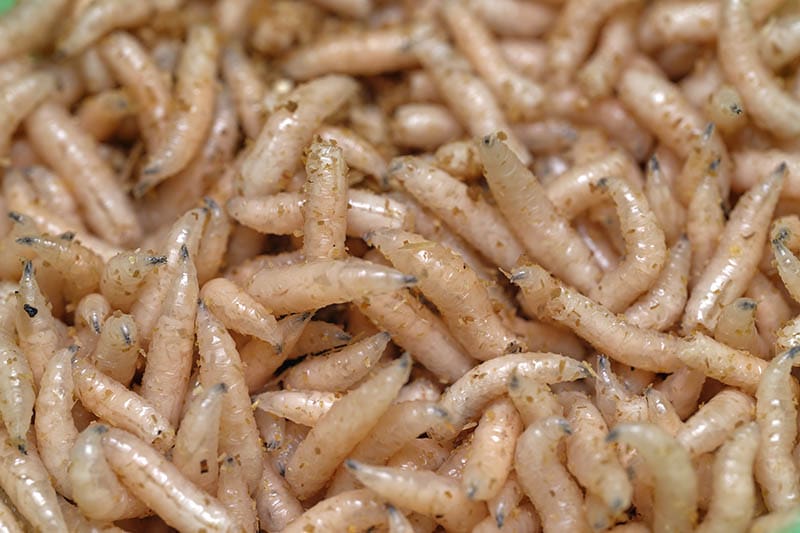
It‘s every dog lover‘s worst nightmare – you‘re happily walking your pup when he suddenly makes a beeline for a smelly lump on the ground. As you rush over to stop him, you realize the mass is moving. To your horror, your dog is enthusiastically munching on a writhing pile of maggots. Yuck!
If you‘ve endured this panic-inducing scenario, you‘re not alone. While utterly revolting to us, dogs eating maggots is surprisingly common. A 2019 study found that nearly 16% of canine vet visits were due to dietary indiscretion – aka eating things they shouldn‘t.
As a dog lover myself, I know firsthand the overwhelming disgust and worry of seeing your precious pup chowing down on squirmy maggots. It‘s enough to make your skin crawl right off your body. But take heart – while undeniably vile, a few maggots alone won‘t harm your dog. The real issue is what those maggots were snacking on before your dog found them.
What Exactly Are Maggots?
Maggots are the larval stage of flies. These small, white, carrot-shaped grubs eventually metamorphose into the pesky adult flies that dive-bomb your lunch. While great for composting, maggots have a justifiably icky reputation.
You see, flies deliberately lay their eggs in decomposing organic matter like spoiled food, animal carcasses, and poop. When the baby maggots hatch, they feed on this decaying gunk, bacteria and all. So while maggots themselves pose no poison risk to your pup, the rotten substances they live in are full of dangerous microbes and toxins.
Interestingly, a few adventurous maggots likely won‘t hurt your dog. "A small number of maggots aren‘t inherently toxic and ingesting a few likely won‘t cause issues for an otherwise healthy dog," says Dr. Jennifer Coates, veterinarian and advisory board member for Pet News Daily.
The dose makes the poison, as they say. Scarfing down a large amount of maggots, like from a container of fishing bait, is riskier than accidentally slurping up a few while investigating a dead squirrel. More maggots means more bacteria and a higher chance of sampling the hazardous substances they live in.
Why Dogs Love Disgusting Maggoty Morsels
It never fails to amaze me how dogs can find the most revolting decomposing remains and gleefully roll in them or take a bite. Our canine companions seem magnetically drawn to the foulest things imaginable. What gives?
The answer lies in dogs‘ incredible sense of smell. While incomprehensible to us, the putrid stench of rotting waste is downright ambrosial to dogs. That festering roadkill or reeking garbage is simply irresistible to your pup‘s sensitive sniffer.
This disgusting doggy behavior is a holdover from their ancient scavenging ancestors. Wolves and wild canines ate whatever they could find to survive, including long-decayed carcasses. The modern dog‘s brain is still hardwired to seek out these tantalizing odors.
"Dogs are opportunistic scavengers and their keen sense of smell leads them to investigate stinky situations. The drive to consume gross decaying material that may contain maggots is an inherent behavior that comes naturally to dogs," explains veterinary behaviorist Dr. Wailani Sung.
Simply put, as nauseating as it is to us, chowing down on a maggot-riddled lump of flesh or garbage is instinctive for dogs. It‘s not a reflection of poor training – even the most obedient pup can‘t easily resist such enticing aromas. The true fault lies in the harmful germs lurking within the decay.
Signs Your Dog May Get Sick from Maggot Lunch
If your dog hits the maggot jackpot, stay calm. Remember, maggots themselves aren‘t toxic. They‘re merely protein as far as your dog‘s digestive system is concerned. The worrisome part is the pathogen-riddled rotten substances they inhabit.
Bacteria like Salmonella, E. coli, and Clostridium commonly contaminate decaying organic matter. Spoiled meat may contain dangerous toxins like botulinum. Dead animals can carry parasites and diseases. Garbage is often laced with hazardous chemicals and mold.
Ingesting these invisible threats along with the visible maggots can make your pup quite ill. Symptoms typically begin within 24-48 hours after the fateful maggot meal, but can occasionally take a few days to appear.
According to veterinarian Dr. Erica Irish, signs of sickness from consuming maggot-filled material include:
- Vomiting
- Diarrhea (often bloody)
- Reduced appetite
- Lethargy and weakness
- Tremors or seizures (rare)
A 2022 retrospective study of 228 dogs presenting for dietary indiscretion found that nearly 60% of cases resulted in vomiting and/or diarrhea. Severity can vary based on the dog‘s size, underlying health, and the amount and type of rotten material consumed.
"While most maggot meal side effects are mild, it‘s crucial to watch for signs of serious illness like frequent vomiting, bloody diarrhea, or lethargy. If you notice these, contact your vet immediately," warns Dr. Travis Arndt, director of the Animal Medical Center of Mid-America.
In rare cases, neurological symptoms like tremors or seizures can occur if the decomposing matter contained toxins that damage the nervous system. These are a medical emergency – rush your dog to the nearest open veterinary clinic if you see such signs.
Treating Your Maggot-Munching Dog
So your beloved pup just slurped up a mass of maggots like it was a Michelin-starred delicacy. As you fight the urge to vomit, you may wonder – what‘s the treatment for dogs that eat maggots?
First, take a deep breath. Grossed out as you understandably are, remind yourself that this happens to even the most conscientious dog owners. Resist the temptation to induce vomiting or give any medications at home, as this can sometimes make things worse.
Instead, call your veterinarian right away for expert guidance. Be ready to describe approximately how many maggots you think your dog ate, what they were on (e.g. roadkill, garbage, etc.), and any symptoms you‘ve noticed.
"Treatment for maggot ingestion focuses on managing the effects of the rotten material rather than the maggots themselves. The larvae will be killed quickly by stomach acid and won‘t survive inside your dog. The true concern is the associated bacteria and toxins," says Dr. Irish.
Mild cases of garbage gut can often be managed at home. Your vet may recommend feeding a bland diet of boiled chicken and rice, encouraging hydration, and keeping a close eye on your dog‘s demeanor and bathroom habits.
More serious sickness may require an in-person vet visit for anti-nausea injections, IV fluids, antibiotics, and additional supportive care. If your dog ate a dead animal, your vet may also suggest a prophylactic dewormer to combat any hitchiking parasites.
Veterinary treatment is highly successful in most cases of dietary indiscretion. A study of over 1000 dogs presenting for garbage ingestion showed that 98% were discharged after veterinary care. The key is seeking professional guidance quickly to catch and treat any developing illness early.
Preventing Future Foul Feasts
While frightfully disgusting, the drive to eat decomposing delicacies is hardwired into your dog‘s genes. It can be challenging to override such a primal instinct. The best way to prevent maggot meals is to restrict access to the enticing grossness in the first place:
- Keep garbage, compost, and food waste in tightly sealed containers Fido can‘t raid
- Always pick up after your dog to avoid attracting flies to your yard
- Consider installing a Doggie Dooley or other in-ground pet waste disposal system to contain odors
- Don‘t let your dog investigate roadkill or dead animals – report carcasses to animal control for removal
- Walk your dog on a non-retractable 4-6ft leash so you can direct them away from smelly spots
- Teach a strong "Leave it!" command and reward your pup with a high-value treat for obeying
- For stubborn scavengers, consider a basket muzzle to physically prevent chomping on curbside snacks
Even with the most diligent prevention strategies, determined dogs may still sneak a mouthful of maggots when we aren‘t looking. Remember, this happens to the best of us. Channel your inner crime scene investigator, take note of any details that will help your vet advise you, and give your pup some extra snuggles (after a good toothbrushing!).
Maggots Aren‘t All Bad!
Okay, let‘s take a brief break from the gag-inducing talk of pups projectile vomiting putrid maggots. While understandably disgusting to most people, maggots can actually be quite beneficial in the right context!
Maggot therapy, also known as maggot debridement therapy, is the use of sterilized bottle fly larvae to clean necrotic tissue and promote healing in chronic wounds. These medical maggots are like tiny surgeons, carefully removing dead flesh while leaving healthy skin untouched.
"Maggots have been used for centuries to help heal severe wounds. Their saliva contains antimicrobial compounds and growth factors that can jumpstart healing in wounds that won‘t respond to other treatments," explains Dr. Ronald Sherman, director of the BioTherapeutics, Education & Research Foundation.
This creepy-crawly treatment isn‘t just an ancient practice – many cutting-edge hospitals and wound care centers use maggot therapy today. Numerous clinical studies have demonstrated the efficacy and safety of medicinal maggots for diabetic foot ulcers, pressure sores, and more. They‘re nature‘s micro-surgeons!
To be crystal clear – you should NEVER apply maggots from the environment to your dog‘s wounds or allow them to eat medical maggots. Maggot therapy uses specific species of flies that are specially disinfected in a laboratory setting. Attempting at-home maggot therapy with random larvae would introduce a dangerous infection.
If you notice maggots in a wound on your dog, this is a sign of an advanced infection requiring immediate veterinary care. Unlike medical-grade maggots applied by professionals, wound-invading maggots can burrow deep into the skin and cause life-threatening damage. Call your vet right away for advice on how to safely remove any visible maggots and treat the underlying issue.
The Bottom Line on Dogs Eating Maggots
As a fellow dog devotee, I know how skin-crawlingly disturbing it is to see your cherished companion gleefully gulp down wriggling maggots. It‘s enough to haunt your dreams and make you question your life choices. But before you put your pup up for adoption, remember that this appalling behavior is instinctive and not your fault.
While indescribably icky, eating a small number of maggots is unlikely to harm your dog. The bigger problem is the toxic bacteria-laden material the larvae were feasting on. Consuming spoiled food, dead animals, poop, and garbage along with the maggots can cause vomiting, diarrhea, and worse.
If your dog does indulge in a maggot snack, stay calm and call your vet. Describe how many maggots they ate, what nasty substance they were on, and any symptoms you see. Quick treatment is crucial if your pup gets sick.
Prevention is worth a pound of cure (and a ton of bleach for your brain). Secure your garbage, steer clear of corpses, and walk your dog on a leash so you can guide them away from fascinatingly foul finds. For stubborn scavengers, a basket muzzle can stop the slurping.
At the end of the day, dogs will be dogs. They have disgusting interests and insatiable appetites for the world‘s grossest substances. As nauseating as it is, try not to shame your pup for following their natural instincts. Instead, focus on limiting access to maggot-filled materials and knowing when to call the vet.
With some extra vigilance and a strong stomach, you can get through the horror show of your dog eating maggots. Remember, you‘re not alone in this revolting situation! Seek solace in knowing that this too shall pass (likely via diarrhea), and that your pup still loves you, putrid breath and all.



)