Help, My Dog Swallowed a Sewing Needle! A Dog Lover‘s Guide to Quick Action and Recovery
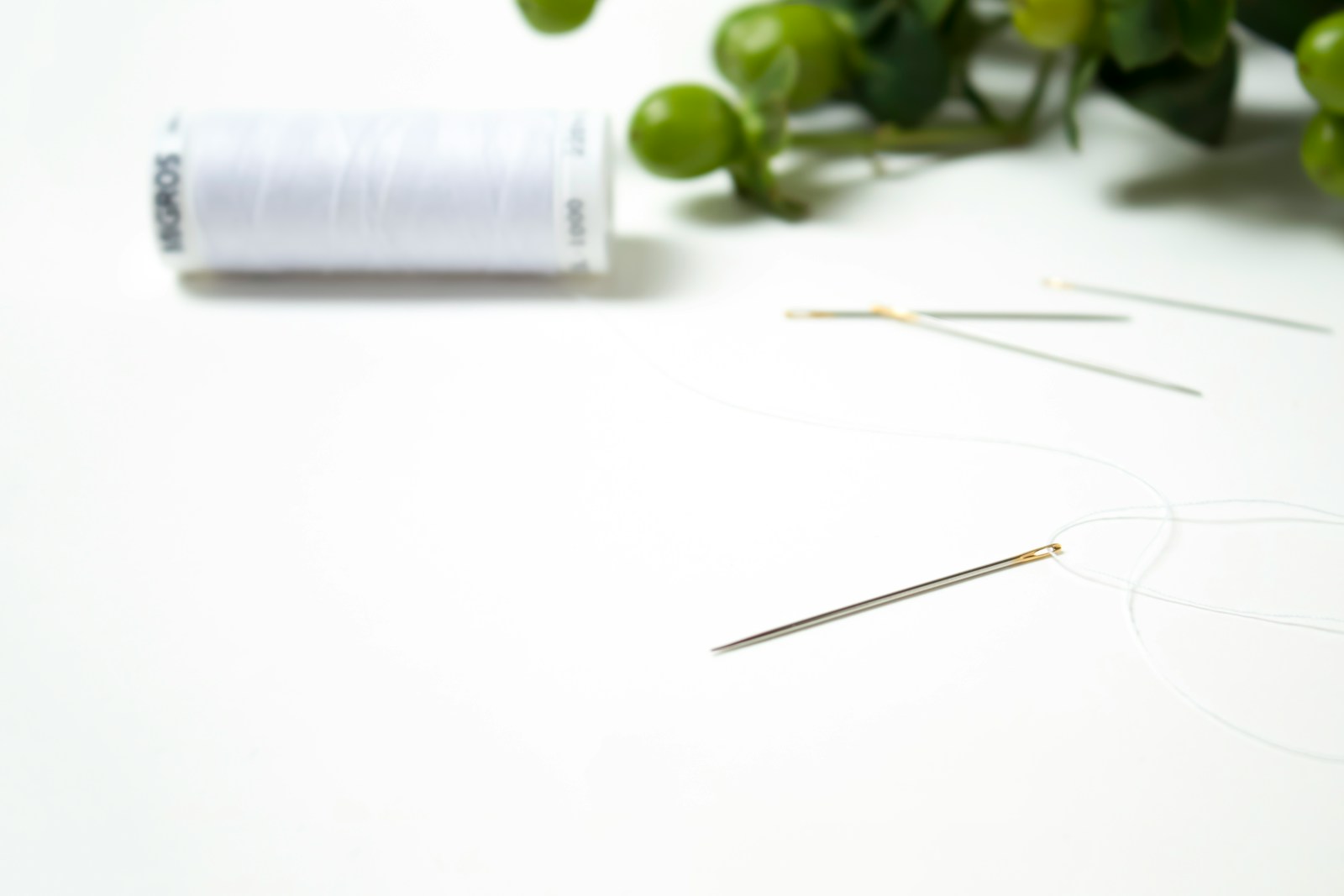
It‘s every dog lover‘s nightmare – your curious canine has gotten into your sewing basket and decided to sample a snack of needle and thread. As a dedicated dog owner, you know how quickly a furry friend can get into trouble. Swallowing a sharp object like a sewing needle is a serious emergency that requires swift action.
I‘ve been in your shoes and I know how scary it is to realize your beloved companion has ingested something potentially deadly. When my own dog swallowed a needle a few years ago, I was beside myself with worry. Fortunately, with quick intervention from my vet, my pup made a full recovery.
I‘m sharing my experience and the expertise I‘ve gathered to help other dog lovers navigate this terrifying situation. Armed with knowledge, a cool head, and a good vet on speed dial, you and your dog can get through this together.
Why Swallowed Needles are a Dog Health Hazard
When a dog swallows a needle, it‘s not like when they swallow a more innocent foreign object like a sock or a ball. Needles and other sharp objects pose a unique set of dangers to a dog‘s insides.
The sharp points of the needle can perforate or puncture any of the soft tissue it contacts, including the:
- Esophagus
- Stomach
- Intestines
Needle punctures in the digestive tract can cause bleeding, inflammation, and potentially life-threatening infections. Bacteria from the punctured organs can leak into the abdominal cavity, causing peritonitis. This serious infection can quickly turn septic without rapid treatment.
Sharp objects can also cause blockages or obstructions if they get stuck along the digestive pathway. A complete obstruction can kink the intestines and cut off blood flow, leading to tissue death in a matter of hours.
Thread attached to a needle amps up the potential for damage. As the gut tries to move the thread along, it can bunch up the intestines like a drawstring. The thread can then slice through the intestinal wall like a cheese wire, causing perforations and leakage. Veterinarians call this a linear foreign body, and it often requires surgical intervention.
Statistics on Sharp Object Ingestion
How common is it for dogs to swallow sharp objects like needles? More common than you might think. Veterinarians see many cases of dogs ingesting things they shouldn‘t.
- 10-30% of dogs will eat something unusual at some point in their life (source: Dove Lewis Veterinary Emergency Hospital)
- Socks, underwear, pantyhose, and rocks/stones are the objects most frequently eaten by dogs (source: ASPCA)
- At one veterinary hospital, 37 dogs were treated for ingesting sewing needles over a 10 year period (source: Journal of Veterinary Emergency and Critical Care)
While sewing needles may not be the most commonly swallowed item, they certainly keep vets busy. The table below shows some of the more popular doggy snack choices that send worried owners to the animal ER:
| Ingested Object | Number of Cases |
|---|---|
| Socks/Underwear | 175 |
| Rocks/Stones | 88 |
| Balls | 77 |
| Chew Toys/Bones/Dog Treats | 71 |
| Corn Cobs | 54 |
| Plastic/Foil/Wrappers | 53 |
Source: ASPCA Animal Poison Control Center Case Data 2020
The Emotional Toll of a Dog Swallowing a Needle
As harrowing as the physical dangers are, swallowed needles take an emotional toll too. I remember all too well the sheer panic and helplessness I felt when I realized what my dog had done. The what-ifs and worst case scenarios can send you into a mental tailspin.
Dr. Christine Rutter, a veterinarian and clinical assistant professor at the Texas A&M College of Veterinary Medicine & Biomedical Sciences, has seen many distraught owners in this situation.
"It‘s such a scary thing for owners to go through. The feelings of guilt can be overwhelming, even though it‘s just an accident. I always remind owners that they did the right thing by seeking treatment quickly. Try not to waste energy beating yourself up. Focus on supporting your pet through the crisis and recovery."
Preventing Needle Ingestion
An ounce of prevention is worth a pound of vet bills when it comes to needle-proofing your space. As a responsible dog lover, there are several precautions you can take to reduce the risk of your furry friend finding forbidden sewing snacks:
-
Invest in a dedicated sewing box with a secure latch or lock. Avoid boxes that are flimsy plastic or easily chewed through.
-
Always put your needle and thread away immediately when you set your work down, even if you only plan to be gone a second. It‘s amazing how fast a dog can zero in on an enticing object.
-
Store your sewing kit well out of your dog‘s reach. A high shelf in a closet with a closed door is ideal.
-
Consider keeping your craft room or sewing area off limits to your dog. A baby gate can help block access.
-
Teach your dog the "leave it" command so you can stop them in their tracks if they start to go for a dangerous item.
-
Work on impulse control and teach your dog to refrain from picking up random objects using positive reinforcement training.
Even with the best prevention plan, accidents can still happen. This is where dog insurance can provide peace of mind. Many pet health insurance plans cover a portion of emergency vet visits for swallowed objects, which can help take the sting out of a very expensive bill. Some popular pet insurance providers include:
- Healthy Paws
- Embrace
- Petplan
- Trupanion
- ASPCA Pet Health Insurance
- Pets Best
What Happens at the Vet
If your dog swallows a needle, your vet will leap into action to locate and retrieve the sharp intruder as quickly as possible. Dr. Rutter explains what owners can expect:
"The first thing we do is take x-rays to pinpoint the location of the needle. If it‘s still in the stomach, we can often remove it with an endoscope. This is a thin, flexible tube with a camera and retrieval tools that we can maneuver down the throat and into the stomach. The dog is under anesthesia for this procedure."
Endoscopic retrieval is the ideal scenario when possible, as it‘s less invasive than surgery. However, if the needle has moved into the intestines, surgery may be necessary.
"If we see the needle lodged in the intestines on the x-ray, or if the dog is showing signs of an obstruction like vomiting or belly pain, we‘ll likely need to remove it surgically," says Dr. Rutter. "During the surgery, we‘ll open the intestines, remove the needle, and repair any damage we find."
If the needle isn‘t causing an obstruction, your vet may recommend hospitalizing your dog for close observation and supportive care as you wait for the needle to pass. This typically involves:
- Repeat imaging to track the needle‘s progress through the gut
- IV fluids to maintain hydration and perfuse the digestive tissues
- Pain medication
- Antibiotics to prevent infection
- A bland, low residue diet to minimize GI irritation
Your vet will monitor your dog‘s vital signs and comfort level closely. Once they confirm the needle has passed, you‘ll be able to bring your pup home to finish recovering in their own cozy bed.
Recovery and Outlook
The majority of dogs who swallow needles and receive prompt veterinary care have an excellent prognosis. In a retrospective study of 65 dogs who ingested sewing needles over an 11 year period:
- 82% of cases resulted in a good outcome
- 92% of dogs who underwent endoscopic retrieval survived
- 80% of dogs who had a surgical removal survived
- The average length of hospitalization was 3-4 days
Source: Journal of Small Animal Practice
As you can see, the odds are in your dog‘s favor, especially with swift treatment. The cases that had poor outcomes involved dogs who developed sepsis or an abdominal infection called peritonitis, usually because of a delay in seeking care.
Once you get your dog home after a needle ingestion scare, you can expect them to feel a bit out of sorts for a few days. Some common things you might notice include:
- Mild lethargy
- Decreased appetite
- Soft stools
- A shaved belly if they had surgery
Most dogs bounce back quickly with a little TLC. Your vet will likely recommend a bland diet for a few days and may send you home with pain medication or antibiotics. Stitches typically come out after 10-14 days.
Needle Ingestion Case Study
To give you a real life example of a needle ingestion story with a happy ending, consider the case of Boomer the Boxer.
Boomer‘s owner, Jenna, was sewing on the couch one evening when she got up to answer the door. She returned a minute later to find her sewing supplies strewn across the cushions and Boomer looking mighty pleased with himself. Jenna quickly gathered up the notions, but couldn‘t find the needle and thread she had just been using anywhere.
Fearing the worst, Jenna rushed Boomer to the emergency vet clinic. X-rays confirmed the presence of the missing needle in Boomer‘s stomach. The vet was able to retrieve the needle with an endoscope that same evening. After two nights in the hospital for observation and supportive care, Boomer was able to go home with a good prognosis.
"It was one of the scariest things I‘ve ever been through with him," recalls Jenna. "But I‘m so grateful I trusted my instincts and got him to the vet right away. The vet said the quick action probably saved his life."
Key Takeaways for Dog Owners
To sum up, here are the most important things for dog lovers to know about responding to a swallowed needle:
-
Act fast and get to the vet immediately. Time is of the essence with sharp object ingestion.
-
Don‘t try to induce vomiting or pull visible thread from your dog‘s mouth. Leave retrieval to the pros.
-
Be prepared for x-rays and possible endoscopy or surgery.
-
Know the signs of obstruction or perforations, like vomiting, lethargy, and painful belly.
-
Expect a hospital stay for monitoring until the needle has passed or been removed.
-
Take preventive measures by keeping sewing supplies securely out of reach.
-
Consider pet insurance to help shoulder the financial burden of potential emergencies.
No one ever expects their furry friend to find trouble in a sewing box, but now you‘re equipped to handle this scary situation if it comes up. Don‘t be afraid to lean on your vet for guidance and support. With some quick action, attentive aftercare, and lots of love, your special canine companion can emerge from this predicament as good as new.
References
- https://www.dovelewis.org/pet-owners/general/dogs-getting-things-they-shouldnt
- https://www.aspcapro.org/resource/top-10-objects-ingested-dogs
- https://onlinelibrary.wiley.com/doi/abs/10.1111/j.1476-4431.2012.00738.x
- https://www.aspcapetinsurance.com/res/pdf/2020-apcc-report.pdf
- https://onlinelibrary.wiley.com/doi/abs/10.1111/j.1748-5827.2012.01308.x