
Coccidia in Puppies: Causes, Signs & Treatments (Vet Answer)

How Long Can Coccidia Live on Surfaces? What Puppy Owners Must Know
Coccidia is one of the most common intestinal parasites affecting puppies worldwide. This single-celled protozoan invades the lining of a puppy‘s intestinal tract, leading to severe gastrointestinal upset. Infected puppies often suffer from watery, bloody diarrhea, vomiting, dehydration, weight loss, lethargy, and failure to gain weight.
While coccidia can infect adult dogs, puppies are most vulnerable due to their immature immune systems. Fortunately, coccidia is treatable—but did you know that these stubborn oocysts can survive on surfaces for a long time? That‘s right, your puppy can actually pick up a coccidia infection from their environment, not just from direct contact with infected dogs.
As a dedicated dog lover and veterinarian, I want to arm you with the information you need to protect your precious puppy from the perils of coccidia. In this article, I‘ll dive into the details of the coccidia life cycle, explain how long these parasites persist on various surfaces, and share the best strategies for preventing the spread of coccidia in your home and yard. Let‘s get started!
Understanding the Coccidia Life Cycle
To prevent coccidia infection in puppies, it‘s important to first understand the life cycle of this pesky parasite. Coccidia has a complex life cycle that involves both a definitive host (where the parasite reproduces sexually) and an intermediate host (where asexual reproduction occurs).
Here‘s a simplified version of the coccidia life cycle as it pertains to dogs:
- An infected dog sheds microscopic coccidia oocysts (eggs) in their feces.
- The oocysts become infective after 1-2 days in the environment under favorable conditions.
- A puppy inadvertently consumes infective oocysts from contaminated soil, water, feces, or other surfaces.
- Once ingested, the oocysts travel to the puppy‘s intestines, where they invade the intestinal cells and multiply asexually.
- The oocysts mature, reproduce sexually, and rupture the host cells, starting the cycle all over again.
So in a nutshell, puppies contract coccidia by swallowing sporulated oocysts from their environment. But here‘s the kicker—coccidia oocysts are incredibly resilient and can linger on surfaces for a long time.
How Long Do Coccidia Oocysts Survive in the Environment?
According to the Companion Animal Parasite Council (CAPC), coccidia oocysts are very hardy and can survive for months to years in suitable environments. Research indicates that unsporulated oocysts can remain viable for up to 23 months in loose, moist soil.
Sporulated oocysts, which are the infective stage, are even tougher. They can endure the following conditions:
- Cool, damp soil for at least two and half years
- Freezing at -10oC (14°F) for up to one month
- Continuous freezing at -20oC (-4°F) for a week
- Heat exposure at 40°C (104°F) for ten minutes
As you can see, coccidia oocysts are well-adapted to linger in the environment, just waiting for an unsuspecting puppy to come along and ingest them. This is why prompt removal and disposal of dog feces is so critical in preventing the spread of coccidia, especially in multi-dog households, shelters, breeding facilities, and dog parks.
Cleaning and Disinfection Tips to Combat Coccidia
Once coccidia oocysts are present in the environment, they can be challenging to eliminate. Many common disinfectants, such as quaternary ammonium compounds and 3% bleach solutions, do not effectively kill coccidia oocysts.
However, there is hope! Steam cleaning is the most reliable method for destroying coccidia oocysts on surfaces. Studies show that steam heated to at least 120°C (248°F) will deactivate oocysts within five minutes. This is why many veterinary clinics and doggie daycares utilize commercial steam cleaners to sanitize their facilities.
For pet owners, vigilant hygiene and sanitation practices are key to keeping coccidia at bay. Here are some tips: - Remove feces from your yard daily, and dispose of them in sealed plastic bags.
- Clean and disinfect your puppy‘s living area, bedding, and toys regularly.
- Avoid letting your puppy drink from communal water sources or play in areas where other dogs frequently defecate.
- Use a steam cleaner on non-porous surfaces, like tile or sealed concrete, if you suspect coccidia contamination.
- Wash your hands thoroughly with soap and water after handling dog feces or cleaning up after your puppy.
When to Seek Veterinary Care for Suspected Coccidia
Coccidia infections can progress rapidly in puppies, so it‘s crucial to recognize the signs and seek prompt veterinary care. Contact your veterinarian right away if your puppy experiences: - Severe, watery diarrhea (especially if contains blood or mucus)
- Frequent vomiting
- Lack of appetite
- Lethargy or weakness
- Signs of abdominal pain
- Dehydration (symptoms include sunken eyes, dry gums, loss of skin elasticity)
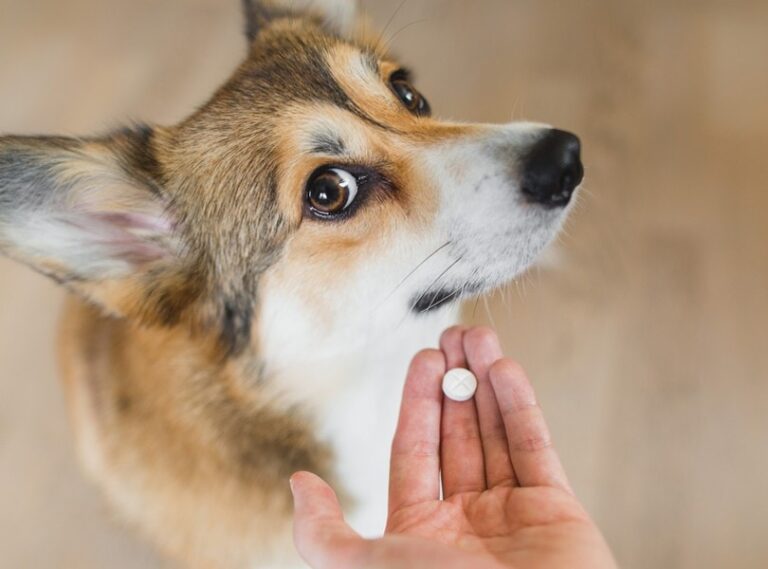
Your veterinarian will examine your puppy and collect a fresh stool sample to check for coccidia oocysts under the microscope. If coccidia is detected, your vet may prescribe antiparasitic medications like sulfadimethoxine, ponazuril, or toltrazuril. Severely ill puppies may require hospitalization, IV fluids, and other supportive care.
Preventing Reinfection After Coccidia Treatment
Even after your puppy has undergone successful coccidia treatment, they can still be re-infected by ingesting oocysts from the environment. To minimize this risk, implement the following strategies: - Administer the full course of antiparasitic medication as prescribed by your veterinarian, even if your puppy‘s diarrhea resolves.
- Continue to practice meticulous hygiene and sanitation as described earlier.
- Have your veterinarian re-check your puppy‘s stool sample two to four weeks after finishing the medication to ensure the infection has cleared.
- Consider keeping your puppy on a monthly gastrointestinal parasite preventive medication that targets coccidia, like Albon® or Marquis®.
A Note on Zoonotic Potential
While most species of coccidia that infect dogs do not pose a significant threat to human health, there are a few exceptions. Cryptosporidium, a type of coccidia that occasionally infects dogs, can potentially spread to humans—particularly those with weakened immune systems. Although rare, Cryptosporidium transmission from dogs to people has been documented.
To minimize the risk of zoonotic transmission, always practice good hygiene when handling your puppy or cleaning up after them. Wash your hands frequently, avoid letting your puppy lick your mouth or face, and disinfect any surfaces contaminated by dog feces promptly.
The Bottom Line
Coccidia is a formidable foe for puppy owners, but armed with knowledge and vigilance, you can shield your furry friend from this pervasive parasite. Remember, coccidia oocysts can linger on surfaces for months to years, so regular cleaning and disinfection are paramount.
If you ever suspect your puppy may have coccidia, don‘t hesitate to contact your veterinarian for guidance. With prompt treatment, attentive care, and a little patience, your puppy can overcome coccidia and get back to their playful, cuddle-loving selves in no time!




)