Hot Weather Dog Breeds: A Comprehensive Guide
Introduction
As global temperatures rise, more and more dog owners are seeking out breeds that can beat the heat. From the dunes of the Sahara to the streets of Mexico City, certain dogs have evolved over centuries to thrive in sweltering conditions. Whether you‘re a fan of sleek sight hounds or playful pint-sized companions, there‘s a heat-hardy breed to suit every lifestyle.
But what exactly makes a dog equipped for hot weather? Factors like body size, coat type, and facial structure all play a role in canine cooling. Breeds from desert regions often have long, slender snouts that allow them to efficiently expel excess heat as they pant. Lean bodies promote heat loss through the skin, while light-colored, reflective coats shield against harsh rays.
Of course, no dog is 100% heat-proof. Even the toughest breeds need access to shade, water, and carefully planned exercise to prevent overheating. For owners, understanding the signs of heat stress – like heavy panting, drooling, and collapse – can be life-saving.
In this guide, we‘ll dive into the world of hot weather dogs, from ancient Egyptian companions to modern Mexican lap dogs. You‘ll find detailed profiles of over 15 heat-tolerant breeds, along with expert tips for keeping your canine cool and comfortable. We‘ll also explore the science behind doggy cooling mechanisms and debunk some common myths about heat safety.
Whether you‘re a devoted dog lover or a first-time owner seeking a sun-loving sidekick, this comprehensive guide has everything you need to help your furry friend embrace the heat. Let‘s get started!
Breed Profiles
1. Saluki
Sleek, swift, and stunningly elegant, the Saluki is a true desert masterpiece. These ancient sight hounds were cherished by nomadic tribes across the Middle East, who prized their speed, stamina, and keen eyesight. Salukis are born survivors, with lean bodies and long, slender snouts perfectly adapted for life in punishing climates.
One of the Saluki‘s most distinctive features is its silky, feathered coat. Though it may seem counterintuitive, this light, reflective hair acts as natural sun protection, shielding the skin from intense rays while still allowing heat to escape. The breed‘s long, powerful legs and deep chest also promote efficient cooling by increasing surface area for heat loss.
Personality-wise, Salukis are gentle, dignified, and somewhat independent. They have a strong prey drive and need plenty of space to run, but are also content to curl up on the couch after a hard day‘s hunt. With their regal bearing and exotic looks, it‘s no wonder these hounds have been prized by royalty for centuries.
Height: 23-28 inches
Weight: 35-65 pounds
Lifespan: 12-14 years
2. Afghan Hound
Another desert delicacy, the Afghan Hound is often described as the supermodel of the dog world. With their flowing locks, chiseled features, and aloof air, these hounds seem more at home on a catwalk than in the dust and dirt. But don‘t let the glamorous exterior fool you – Afghans are tougher than they look.
Like the Saluki, the Afghan‘s long, silky coat serves a practical purpose in arid environments. The fine hair reflects sunlight and insulates against extreme temperatures, while the breed‘s lean build allows for maximum heat dissipation. Afghans also boast an impressive respiratory capacity, with a deep chest and large lungs that help them stay cool even in scorching conditions.
Bred to hunt leopards and gazelles in the mountains of Afghanistan, Afghans are independent thinkers with a strong prey drive. They need firm, consistent training and plenty of exercise to thrive. But for those willing to put in the work, these majestic hounds make unforgettable companions.
Height: 25-27 inches
Weight: 50-60 pounds
Lifespan: 12-14 years
3. Basenji
Known as the "barkless dog," the Basenji is a small but mighty hunter from the heart of Africa. These compact, muscular hounds were prized by tribal hunters for their keen senses, lightning speed, and signature yodel-like vocalizations. Today, they make lively, low-maintenance companions for active owners.
The Basenji‘s short, fine coat is perfectly suited for hot climates, providing natural UV protection without trapping excess heat. The breed‘s small size also helps them stay cool, as does their unique metabolism. Basenjis have a lower resting body temperature than most dogs, around 100.5°F compared to the average 101.5°F.
Independent and intelligent, Basenjis can be a challenge to train. They have a strong prey drive and a knack for escaping, so a secure fence is a must. But for those who appreciate a dog with a wild side, the Basenji‘s quirky personality and effortless cool factor are hard to resist.
Height: 16-17 inches
Weight: 22-24 pounds
Lifespan: 12-14 years
4. Thai Ridgeback
A rare and ancient breed, the Thai Ridgeback has been guarding homes and hunting game in Thailand for centuries. These powerful, muscular dogs are instantly recognizable by the ridge of hair running along their spine in the opposite direction of their coat. This unique feature is thought to help regulate body temperature by allowing heat to escape.
Thai Ridgebacks are natural athletes, with a short, smooth coat that reflects heat and promotes cooling. They have a high pain tolerance and an impressive work ethic, making them well-suited for life in tropical climates. However, their independent streak and strong guarding instincts mean they need experienced handling.
Loyal and affectionate with their families, Thai Ridgebacks can be aloof with strangers. They need plenty of socialization and firm, consistent training to thrive in a modern home. But for those seeking a truly unique and resilient companion, the Thai Ridgeback is a breed like no other.
Height: 20-24 inches
Weight: 35-75 pounds
Lifespan: 12-13 years
5. Canaan Dog
Israel‘s national breed, the Canaan Dog is a natural survivor. These medium-sized herding dogs descended from ancient pariah dogs that roamed the deserts of the Middle East. They were prized by Bedouins for their intelligence, loyalty, and ability to thrive in harsh conditions.
The Canaan Dog‘s dense, weatherproof coat provides protection from both sun and sand. The breed‘s keen senses, high energy level, and problem-solving skills made them invaluable partners for nomadic desert dwellers. Today, they excel in a variety of roles, from companion to therapy dog to bomb detection specialist.
Naturally cautious with strangers, Canaan Dogs bond closely with their families. They need plenty of exercise and mental stimulation to stay happy and well-behaved. With their striking looks and adaptable nature, these desert dwellers make wonderful partners for active, experienced owners.
Height: 19-24 inches
Weight: 35-55 pounds
Lifespan: 12-15 years
Understanding Heat Tolerance
So what exactly makes a dog heat tolerant? There are several key factors that contribute to a breed‘s ability to stay cool in soaring temperatures:
Coat Type
Contrary to popular belief, a heavy coat isn‘t always a liability in hot weather. Many desert breeds, like the Afghan Hound and Saluki, have long, silky hair that reflects sunlight and insulates against extreme temperatures. The key is that the coat is fine and single-layered, allowing air to circulate freely.
On the other hand, breeds with short, smooth coats – like the Vizsla and Weimaraner – can also excel in the heat. These coats provide a light layer of protection without trapping excess warmth. Hairless breeds, like the Xoloitzcuintli and Peruvian Inca Orchid, are also well-adapted to hot climates, though they need extra sun protection.
Body Size and Shape
In general, smaller dogs have an easier time staying cool than larger breeds. This is because they have a higher surface area to volume ratio, which allows them to dissipate heat more efficiently. Breeds with lean, muscular bodies – like the Greyhound and Whippet – are also better equipped to handle the heat than stockier dogs.
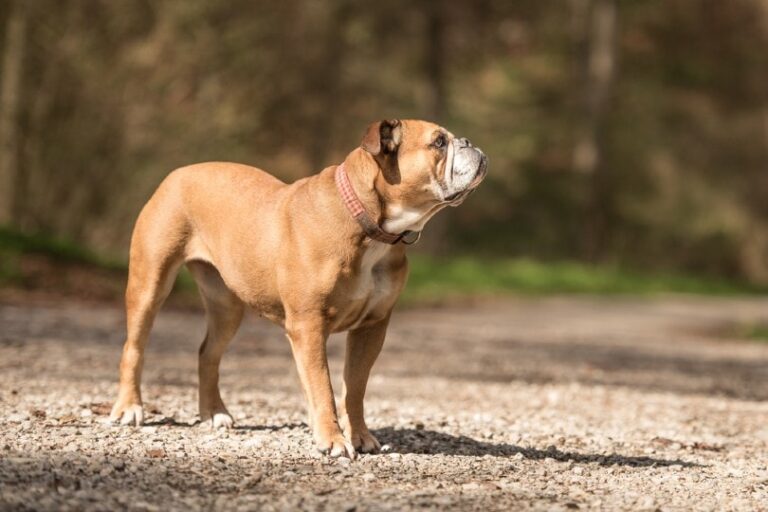
The shape of a dog‘s face also plays a role in heat tolerance. Breeds with long, slender snouts – like the Saluki and Ibizan Hound – have more surface area for panting, which is a dog‘s primary cooling mechanism. Brachycephalic or flat-faced breeds, like Bulldogs and Pugs, have a harder time expelling heat due to their compressed airways.
Metabolism and Heat Regulation
Some breeds have unique physiological adaptations that help them stay cool in hot weather. For example, the Basenji has a lower resting body temperature than most dogs, around 100.5°F compared to the average 101.5°F. This allows them to tolerate higher environmental temperatures without overheating.
Other breeds, like the Australian Cattle Dog and Thai Ridgeback, have a higher pain tolerance and work drive that allows them to push through discomfort in hot conditions. However, it‘s important to remember that no dog is invincible – even the toughest breeds need access to shade, water, and rest to prevent heat stroke.
Keeping Your Dog Cool
Even if you have a heat-tolerant breed, it‘s crucial to take steps to keep your dog cool and comfortable in hot weather. Here are some expert tips:
Provide Plenty of Water
Dogs can quickly become dehydrated in hot weather, so it‘s essential to provide plenty of fresh, clean water at all times. Aim for at least one ounce of water per pound of body weight per day, and more if your dog is active or the weather is particularly hot. You can also offer water-rich foods, like watermelon or low-sodium chicken broth, as a tasty way to boost hydration.
Create Shady Spots
Dogs need access to shade to prevent overheating, especially during the hottest parts of the day. If your yard doesn‘t have natural shade from trees or buildings, create your own with a canopy, umbrella, or even a simple tarp. Make sure your dog has a cool, comfortable spot to rest both indoors and out.
Plan Exercise Carefully
Exercise is crucial for your dog‘s physical and mental health, but it‘s important to be smart about when and how you exercise in hot weather. Avoid the hottest parts of the day, typically between 10 am and 4 pm, and opt for shorter, more frequent walks instead of one long session. Be sure to bring water and take breaks in the shade.
Use Cooling Products
There are a variety of products designed to help keep dogs cool in hot weather, from cooling vests and bandanas to elevated beds and frozen treats. Look for products that use evaporative cooling or gel technology to provide long-lasting relief. Always supervise your dog when using any new product, and discontinue use if you notice any signs of discomfort or irritation.
Know the Signs of Heat Stroke
Even with the best prevention strategies, dogs can still overheat in hot weather. It‘s crucial to know the signs of heat stroke so you can take action quickly if needed. Symptoms include:
- Heavy panting
- Drooling
- Rapid heartbeat
- Dizziness or disorientation
- Vomiting or diarrhea
- Seizures
- Collapse
If you suspect your dog is suffering from heat stroke, move them to a cool, shaded area immediately. Offer fresh water and use cool (not cold) water to dampen their coat and paws. If symptoms persist or worsen, seek veterinary care right away.
Hot Weather Nutrition
What you feed your dog can also have an impact on their heat tolerance. In hot weather, it‘s important to choose foods that are high in moisture and easy to digest. Here are some tips:
Choose High-Quality Protein
Protein is essential for maintaining muscle mass and supporting overall health, but not all protein sources are created equal. In hot weather, opt for lean, easily digestible proteins like chicken, turkey, and fish. Avoid heavy, high-fat meats that can be harder to digest and contribute to dehydration.
Boost Hydration with Water-Rich Foods
In addition to providing plenty of fresh water, you can also boost your dog‘s hydration by offering water-rich foods. Some good options include:
- Watermelon (seeds removed)
- Cucumber
- Cantaloupe
- Low-sodium chicken or beef broth
- Wet dog food
Avoid Salty Snacks
While it may be tempting to share your salty snacks with your pup, it‘s best to avoid high-sodium foods in hot weather. Salt can contribute to dehydration and put extra strain on your dog‘s kidneys. Stick to low-sodium, moisture-rich treats instead.
Breeds to Avoid in Hot Weather
While some breeds are well-suited for hot climates, others can struggle in the heat. Here are a few types of dogs that may be more prone to overheating:
Brachycephalic Breeds
Flat-faced or brachycephalic breeds, like Bulldogs, Pugs, and Shih Tzus, have compressed airways that make it harder for them to pant efficiently. This puts them at higher risk of heat stroke, even in moderately warm temperatures. If you have a brachycephalic breed, it‘s crucial to keep them cool and limit exercise in hot weather.
Heavy-Coated Breeds
Breeds with thick, double coats – like Huskies, Malamutes, and Chow Chows – are built for cold climates and can overheat easily in the heat. While they may shed their undercoat in the summer, their heavy top coat can still trap heat and make it difficult to cool down. If you live in a hot climate, it‘s best to choose a breed with a lighter, more heat-tolerant coat.
Giant Breeds
Very large breeds, like Great Danes and Mastiffs, can also struggle in the heat due to their size. They have a harder time dissipating heat and may tire more quickly in hot weather. If you have a giant breed, it‘s important to provide plenty of shade and water and limit exercise to cooler parts of the day.
Conclusion
As climate change leads to more frequent and intense heat waves, it‘s more important than ever to choose a dog breed that can handle hot weather. From the regal Saluki to the playful Chihuahua, there are plenty of breeds that are built for life in the sun.
But even the most heat-tolerant dogs need proper care and attention to stay cool and comfortable. By providing plenty of water, shade, and rest, you can help your furry friend beat the heat and enjoy all the joys of summer.
Remember, every dog is unique and may have different needs when it comes to hot weather safety. Work with your veterinarian to create a personalized plan for your pup, and always be on the lookout for signs of heat stress.
With the right preparation and care, you and your heat-hardy hound can make the most of even the hottest days. So grab a cold drink, find a shady spot, and enjoy the sweet summer vibes with your canine companion by your side.