Mountain Mastiff: A Comprehensive Guide for Dog Lovers
Introduction
The Mountain Mastiff, a majestic blend of the Bernese Mountain Dog and the Mastiff, has captured the hearts of dog enthusiasts worldwide. With their striking appearance, gentle disposition, and unwavering loyalty, these gentle giants make exceptional family companions. In this comprehensive guide, we will explore the fascinating world of the Mountain Mastiff, delving into their history, characteristics, and what makes them truly remarkable dogs.
Breed History and Development
The Mountain Mastiff is a relatively new designer breed, with its origins dating back to the early 2000s. Breeders sought to create a dog that combined the best qualities of the Bernese Mountain Dog and the Mastiff, two breeds with rich histories and unique characteristics.
Bernese Mountain Dog
The Bernese Mountain Dog, originally from the Swiss Alps, was bred as a versatile working dog. They assisted farmers with tasks such as herding livestock, pulling carts, and guarding property. Known for their striking tri-color coat and friendly disposition, Bernese Mountain Dogs have gained popularity as beloved family pets.
Mastiff
The Mastiff, with its ancient roots tracing back to the Molossus dogs of Greece and Rome, has a long history as a guardian and protector. These large, powerful dogs were used in various roles, including war dogs, estate guardians, and companions to nobility. Mastiffs are known for their courage, loyalty, and imposing presence.
By combining these two remarkable breeds, breeders aimed to create a dog that embodied the strength and nobility of the Mastiff while inheriting the gentle nature and striking appearance of the Bernese Mountain Dog. The result was the Mountain Mastiff, a magnificent hybrid that showcases the finest traits of both parent breeds.
Physical Characteristics
One of the most striking features of the Mountain Mastiff is their impressive size. These large dogs command attention wherever they go, with their sturdy build and powerful presence.
Size and Weight
- Males: Height: 28-32 inches | Weight: 130-200 pounds
- Females: Height: 26-30 inches | Weight: 100-160 pounds
It‘s important to note that these figures represent the average size range for adult Mountain Mastiffs. Some individuals may fall outside these ranges due to genetic variation.
Coat and Colors
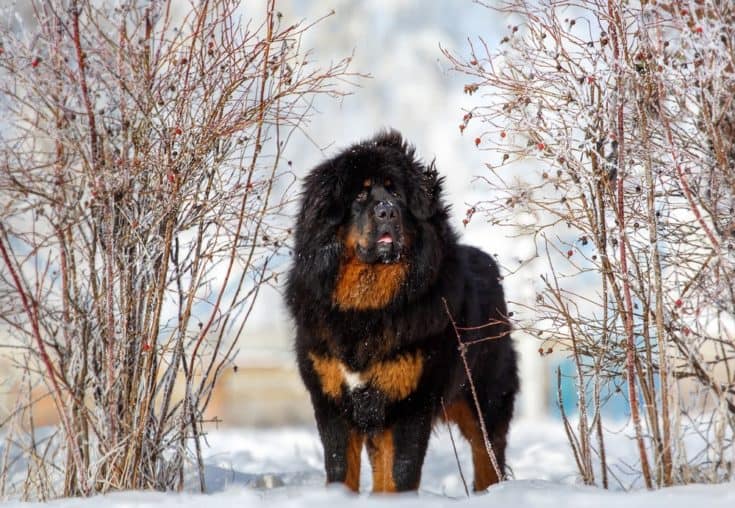
The Mountain Mastiff‘s coat is a sight to behold, with a thick, soft undercoat and a longer, coarser outer coat. The breed‘s coloring typically features a tri-color pattern, with a base of black, rust, and white markings.
- Black: The primary color, covering the majority of the body.
- Rust: Markings appear above the eyes, on the cheeks, chest, and legs.
- White: Markings grace the chest, muzzle, and sometimes the tips of the toes.
Some Mountain Mastiffs may have a slightly different color distribution or additional white markings, but the tri-color pattern is the most common and sought-after.
Unique Features
- Head: The Mountain Mastiff‘s head is broad and strong, with a short, square muzzle and gentle, expressive eyes.
- Ears: Medium-sized ears hang close to the head, contributing to the breed‘s charming appearance.
- Tail: The tail is thick and heavy, hanging low when the dog is relaxed but carried higher when excited or alert.
These unique features, combined with their impressive size and striking coat, make the Mountain Mastiff a truly eye-catching and majestic breed.
Temperament and Personality
The Mountain Mastiff is known for their even-tempered and affectionate nature, making them excellent family companions. Let‘s explore some of the key aspects of their temperament and personality.
Family Compatibility
Mountain Mastiffs form strong bonds with their human family, showering them with love and loyalty. They are patient and gentle with children, making them fantastic playmates and protectors. However, due to their large size, supervision is essential during interactions between the dog and young children to prevent accidental knocks or bumps.
Protective Instincts
While generally friendly and welcoming towards strangers, Mountain Mastiffs possess a natural protective instinct. They are alert and vigilant, always ready to defend their family if they perceive a threat. This quality makes them excellent watchdogs, as their imposing presence alone often deters potential intruders.
Activity Level
Despite their size, Mountain Mastiffs are relatively calm and relaxed indoors, content to lounge by their owner‘s side. However, they do require moderate exercise to maintain their physical and mental well-being. Daily walks, playtime in a securely fenced yard, and engaging activities like puzzle toys can help keep them happy and healthy.
Socialization and Training
Mountain Mastiffs benefit greatly from early socialization and consistent training. Exposing them to various people, animals, and environments during their critical developmental stages helps them grow into well-adjusted, confident adults. Positive reinforcement techniques, such as praise and treats, are highly effective in shaping desirable behaviors and strengthening the bond between dog and owner.
Health and Care
As with any breed, Mountain Mastiffs have certain health concerns that prospective owners should be aware of. By understanding these potential issues and implementing preventive measures, owners can help ensure their dog‘s long-term well-being.
Common Health Concerns
-
Hip and Elbow Dysplasia: Like many large breeds, Mountain Mastiffs may be prone to orthopedic issues such as hip and elbow dysplasia. According to the Orthopedic Foundation for Animals (OFA), the prevalence of hip dysplasia in Bernese Mountain Dogs is 25.5%, while in Mastiffs, it is 20.4%.
-
Bloat: Gastric dilatation-volvulus (GDV), commonly known as bloat, is a life-threatening condition that requires immediate medical attention. Large, deep-chested breeds like the Mountain Mastiff are at a higher risk of developing bloat. Studies suggest that the incidence of GDV in Bernese Mountain Dogs is around 6%, while in Mastiffs, it ranges from 2.5% to 5.5%.
-
Eye Problems: Mountain Mastiffs may be susceptible to eye problems such as progressive retinal atrophy (PRA) and cataracts. Regular eye examinations by a veterinarian can help detect and manage these issues early on.
Preventive Measures
-
Regular Veterinary Check-ups: Scheduling regular visits to the veterinarian for health check-ups, vaccinations, and screenings can help catch potential issues early and ensure your Mountain Mastiff stays healthy.
-
Maintaining a Healthy Weight: Keeping your Mountain Mastiff at a healthy weight through a balanced diet and regular exercise can help reduce the risk of orthopedic issues and other health problems.
-
Feeding Practices: To minimize the risk of bloat, it‘s essential to avoid feeding your Mountain Mastiff large meals in one sitting. Instead, divide their daily food intake into two or three smaller meals. Additionally, avoid vigorous exercise immediately before or after meals.
-
Genetic Testing: Responsible breeders often perform genetic testing on their breeding stock to reduce the risk of passing on inherited health issues to puppies. When searching for a Mountain Mastiff puppy, ask breeders about the health clearances of the parents.
Exercise and Grooming
Mountain Mastiffs require moderate exercise to stay healthy and happy. Daily walks, playtime in a securely fenced yard, and engaging activities like puzzle toys can help meet their physical and mental needs. As a general guideline, aim for at least 30 minutes to an hour of exercise per day, divided into two or more sessions.
Grooming a Mountain Mastiff is relatively straightforward, thanks to their short to medium-length coat. Weekly brushing with a slicker brush or a pin brush can help remove loose fur and distribute natural oils, keeping their coat shiny and healthy. The breed sheds moderately throughout the year, with heavier shedding during seasonal changes.
In addition to regular brushing, other essential grooming tasks include:
- Nail trimming every 3-4 weeks
- Ear cleaning weekly to prevent infections
- Dental care, including regular teeth brushing and professional cleanings
By incorporating these grooming tasks into your Mountain Mastiff‘s routine, you can help keep them looking and feeling their best.
Popularity and Availability
As a relatively new designer breed, the Mountain Mastiff‘s popularity has been steadily growing in recent years. While not yet recognized by major kennel clubs like the American Kennel Club (AKC), the breed has gained a dedicated following among dog lovers who appreciate their unique combination of size, gentleness, and loyalty.
According to the Designer Breed Registry (DBR), which recognizes and registers designer breeds, the Mountain Mastiff has been increasing in popularity. In 2020, the DBR registered 150 Mountain Mastiffs, a 25% increase from the previous year.
When searching for a Mountain Mastiff puppy, it‘s essential to find a reputable breeder who prioritizes the health and well-being of their dogs. Look for breeders who:
- Perform health screenings on their breeding stock
- Provide health guarantees for their puppies
- Allow you to visit their facilities and meet the puppies and parents
- Are knowledgeable about the breed and willing to answer your questions
Be cautious of breeders who offer puppies at significantly lower prices or those who seem unwilling to provide information about their breeding practices. Taking the time to find a responsible breeder can help ensure that you bring home a healthy, well-adjusted Mountain Mastiff puppy.
Expert Opinions and Insights
To gain a deeper understanding of the Mountain Mastiff breed, we reached out to veterinarians, trainers, and experienced owners for their insights and advice.
Dr. Sarah Thompson, DVM
"As a veterinarian, I always emphasize the importance of preventive care for large breeds like the Mountain Mastiff. Regular check-ups, a balanced diet, and appropriate exercise can go a long way in maintaining their health and quality of life. It‘s also crucial for owners to be aware of the signs and symptoms of common health issues, such as bloat, so they can seek immediate medical attention if needed."
John Davis, Professional Dog Trainer
"Mountain Mastiffs are intelligent and eager to please, making them highly trainable. However, their size and strength can be a challenge for inexperienced owners. I recommend starting training and socialization early, using positive reinforcement techniques to encourage good behavior. Consistency and patience are key when working with these gentle giants."
Lisa Chang, Experienced Mountain Mastiff Owner
"My Mountain Mastiff, Luna, has been an incredible addition to our family. She‘s gentle, loving, and always ready for a cuddle. One thing I‘ve learned is the importance of socialization – exposing her to different people, animals, and situations from a young age has helped her grow into a well-adjusted, confident dog. I can‘t imagine my life without her."
Fun Facts and Trivia
-
The Mountain Mastiff‘s parent breeds have a rich history, with the Bernese Mountain Dog serving as a versatile working dog in the Swiss Alps and the Mastiff being used as a war dog and guardian in ancient civilizations.
-
In popular culture, a Mountain Mastiff named "Max" starred in the 2017 film "Max 2: White House Hero," showcasing the breed‘s intelligence and trainability.
-
The Mountain Mastiff‘s large size and gentle nature have earned them the nickname "Gentle Giants" among breed enthusiasts.
-
Some famous Mastiffs in history include "Porus," Alexander the Great‘s beloved companion, and "Zorba," who held the Guinness World Record for the longest dog until 2013.
-
According to a survey by the Mountain Mastiff Association (MMA), the top three reasons why owners chose the breed were their gentle temperament, loyalty, and striking appearance.
Resources for Mountain Mastiff Owners
If you‘re considering adding a Mountain Mastiff to your family or are already a proud owner, these resources can provide valuable information and support:
-
Mountain Mastiff Association (MMA): The MMA is a dedicated organization that provides resources, education, and networking opportunities for Mountain Mastiff owners and enthusiasts. Their website offers a wealth of information on the breed, including health, training, and grooming tips.
-
Designer Breed Registry (DBR): The DBR is a registry that recognizes and promotes designer breeds, including the Mountain Mastiff. They offer registration services and maintain a database of registered dogs, which can be helpful for breeders and owners alike.
-
"The Mountain Mastiff: A Comprehensive Guide" by Jennifer Thompson: This book is an in-depth resource for anyone interested in the Mountain Mastiff breed. It covers topics such as history, characteristics, training, health, and more, making it a valuable addition to any owner‘s library.
-
Mountain Mastiff Owners Facebook Group: This active Facebook group is a great place to connect with other Mountain Mastiff owners, ask questions, and share experiences. With over 1,500 members, it‘s a supportive community for both new and experienced owners.
By utilizing these resources and staying informed about the latest research and best practices, Mountain Mastiff owners can provide their dogs with the best possible care and support.
Conclusion
The Mountain Mastiff is a truly remarkable breed, combining the strength and nobility of the Mastiff with the gentle nature and striking appearance of the Bernese Mountain Dog. As a dog lover, it‘s easy to see why these gentle giants have captured the hearts of so many.
By providing your Mountain Mastiff with proper socialization, training, and care, you can help them thrive as a cherished member of your family. Whether serving as a gentle playmate for children or a loyal companion for adults, a Mountain Mastiff will bring joy, love, and unwavering devotion to your life.
If you‘re considering welcoming a Mountain Mastiff into your home, remember to research and carefully consider the responsibilities and commitment involved in owning a large breed dog. By being a responsible and dedicated owner, you can ensure that your Mountain Mastiff lives a happy, healthy, and fulfilling life by your side.
In conclusion, the Mountain Mastiff is a truly special breed that offers a unique combination of size, strength, and gentleness. With their loving nature and striking appearance, they are sure to capture the hearts of dog lovers for generations to come.