How Big Do Shelties Get? A Comprehensive Sheltie Size and Growth Guide
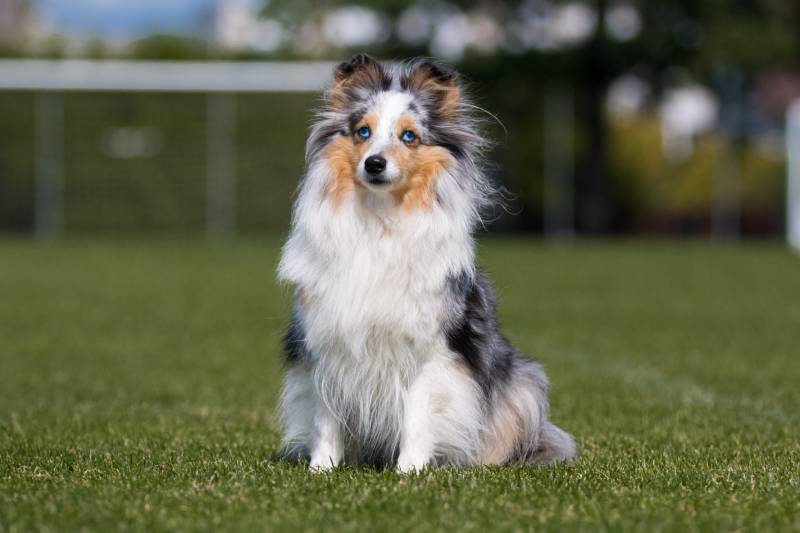
Shetland Sheepdogs, or Shelties as they‘re affectionately known, are one of the most beloved herding breeds in the world. As a long-time Sheltie owner and veterinarian, I‘m often asked by prospective puppy buyers, "How big do Shelties get?" It‘s a crucial question for many factors, from choosing the right size crate and harness to anticipating future food and medical expenses. In this comprehensive guide, we‘ll delve into everything you need to know about Sheltie growth patterns and size, so you can help your Sheltie live their healthiest, happiest life.
Sheltie Breed History and Characteristics
To understand the Sheltie‘s size, it helps to know a bit about their history. Shelties originated in the Shetland Islands of Scotland, where they were bred to herd and guard small livestock like sheep and ponies. Farmers needed a dog suited to the islands‘ harsh conditions and rugged terrain. The result was a compact, agile herder with a thick coat to protect against the elements.
Though they resemble miniature Rough Collies, Shelties are their own distinct breed. They‘re known for their keen intelligence, loyalty, and enthusiasm. Shelties excel not only as family companions but also in dog sports like agility, obedience, and herding. Their alert, vocal nature also makes them excellent watchdogs.
Sheltie Size Standards
So what size is a typical Sheltie? According to the American Kennel Club (AKC) breed standard, the ideal Sheltie stands between 13-16 inches tall at the shoulder. The AKC standard doesn‘t specify a weight range, but most Shelties weigh somewhere between 15-25 pounds.
However, breed standards can vary between kennel clubs. For example, the United Kennel Club (UKC) puts the ideal Sheltie height at 14-16 inches for males and 13-15 inches for females, with weights ranging from 14-20 pounds for males and 12-18 pounds for females.
The UK Kennel Club standard lists Shelties‘ ideal height as 37 cm (14.5 inches) for males and 35.5 cm (14 inches) for females, with a tolerance of 2.5 cm (1 inch) in either direction. They don‘t specify a weight range.
It‘s worth noting that these are ideals and individual Shelties may fall outside these ranges. In fact, many owners report their Shelties are larger, with some reaching 30 pounds or more!
Sheltie Size Survey Results
To get a real-world picture of Sheltie sizes, let‘s look at some survey data. In a 2004 survey of 148 adult Shelties conducted by the Shetland Sheepdog Club of Northern California:
- The average height was 15.1 inches for males and 14.2 inches for females
- Heights ranged from 12.8-18.5 inches for males and 12.5-16.3 inches for females
- The average weight was 21.4 pounds for males and 18.1 pounds for females
- Weights ranged from 14-34 pounds for males and 12-26 pounds for females
As you can see, real-life Shelties show much more size variation compared to the breed standards. This is likely due to factors like genetic diversity, nutrition, and the fact that most Shelties are bred as companion animals rather than for the show ring.
Sheltie Growth Stages
To fully answer "how big do Shelties get," we need to look at their growth from birth to adulthood. Here‘s a breakdown of Sheltie development:
-
Newborn (0-2 weeks): Sheltie puppies are born deaf, blind, and entirely dependent on their mother. The average newborn weighs 5-10 ounces and will double their weight in 10-12 days.
-
Neonatal (2-4 weeks): Puppies start opening their eyes and ears, developing senses and the ability to regulate body temperature. They begin to stand and take tentative steps. Most puppies weigh 1-2 pounds at this stage.
-
Transitional (4-8 weeks): This is a period of rapid physical and mental development. Puppies are weaned onto solid food, learn social skills, and begin forming bonds. Weights reach 3-7 pounds and heights 6-8 inches.
-
Juvenile (8-16 weeks): Puppies go through a "fear period" as they learn about their world. This is a critical socialization window. Puppies gain about 1-2 pounds per week, reaching 8-16 pounds and 8-10 inches.
-
Adolescent (4-10 months): Shelties reach 75-80% of their adult height and 50-75% of adult weight. Males may start leg lifting and females may have their first heat cycle. Weights reach 15-25 pounds and heights 12-14 inches.
-
Adult (10-14 months): Shelties reach their full height and weight, although males may fill out until age 2-3. Final heights land at 12-16 inches and weights at 15-30 pounds, with males larger than females on average.
Sheltie Growth Chart
To visualize Sheltie growth, check out this growth chart showing average heights and weights for male and female Shelties:
| Age | Male Height (in) | Male Weight (lbs) | Female Height (in) | Female Weight (lbs) |
|---|---|---|---|---|
| Birth | n/a | 0.3-0.6 | n/a | 0.3-0.5 |
| 1 mo | 6-7 | 3-6 | 5-6 | 3-5 |
| 2 mo | 7-9 | 5-10 | 6-8 | 4-8 |
| 3 mo | 8-11 | 8-14 | 7-10 | 6-12 |
| 4 mo | 10-13 | 12-19 | 9-12 | 10-16 |
| 5 mo | 11-14 | 15-23 | 10-13 | 13-20 |
| 6 mo | 12-15 | 18-26 | 11-14 | 15-22 |
| 8 mo | 13-15 | 20-28 | 12-15 | 16-24 |
| 12 mo | 14-16 | 22-30 | 13-15 | 18-26 |
Sources: Banfield Pet Hospital, Sheltie growth data from various breeders
Remember, these are averages and your individual Sheltie may grow faster or slower. Use a growth chart as a general guide, not a rulebook. If you‘re concerned about your Sheltie‘s growth rate, always consult your veterinarian.
Factors Affecting Sheltie Size
Several factors can impact how big a Sheltie gets:
-
Genetics: Size is largely determined by a Sheltie‘s parents and lineage. Puppies from larger parents will likely be larger and vice versa. Reputable breeders can give you an idea of expected adult size based on past litters.
-
Sex: Male Shelties are typically 1-3 inches taller and 3-10 pounds heavier than females.
-
Nutrition: A balanced, species-appropriate diet with adequate protein, fat, calcium, and phosphorus is crucial for proper growth. Studies suggest a diet with 22-32% protein and 12-20% fat is ideal for growing puppies. Over- or underfeeding can lead to accelerated or stunted growth.
-
Health: Medical issues like intestinal parasites, hormonal imbalances, or orthopedic problems can all affect a Sheltie‘s growth and final size. Regular vet check-ups can help detect and address underlying health concerns.
-
Spay/Neuter Timing: Research indicates that early spay/neuter (before 1 year old) can delay growth plate closure, leading to taller, heavier dogs. If possible, wait until your Sheltie has finished growing to spay/neuter.
Assessing Sheltie Body Condition
While weight isn‘t the only factor in a Sheltie‘s size, it‘s important for overall health. Excess weight puts strain on the joints and increases risk of issues like arthritis, diabetes, and heart disease.
To assess your Sheltie‘s body condition, use the "rib test." Run your hands along their sides – you should be able to easily feel (but not see) the ribs under a thin layer of fat. Your Sheltie should have an apparent "waist" when viewed from above and a tucked abdomen from the side.
If you can‘t feel your Sheltie‘s ribs, they may be overweight. Cut back on treats and increase exercise. If the ribs, spine or hip bones are protruding, your Sheltie may be underweight. Increase food portions and have them checked by a vet for underlying issues.
The Importance of Exercise
Shelties are active, athletic dogs built for herding. While they‘re adaptable to various living situations, they still need regular exercise to maintain a healthy weight, build strong muscles, and engage their busy minds.
At minimum, provide your Sheltie with 30-60 minutes of exercise daily through walks, backyard play, frisbee toss, or dog sports. Puzzle toys and slow feeders are also great for mental enrichment.
Avoid forced exercise in growing Sheltie puppies, as this can damage their developing joints. Let them set their own pace during walks and play. Short, frequent play sessions are safer than long jogs or hikes. Always supervise puppies around stairs to prevent falls.
Special Considerations for Merles
One coat pattern that deserves special mention in Shelties is merle. Merle is a genetic modifier that causes random patches of diluted pigment, creating a dappled appearance. Shelties can be blue merle (grey patches) or sable merle (brown patches).
While striking, the merle gene is associated with certain health risks, particularly in merle-to-merle breedings. Puppies who inherit two copies of the merle gene (MM) are often born white and can have hearing and vision impairments.
Responsible breeders will never breed two merles together. However, MM Shelties do sometimes pop up inadvertently. In addition to sensory issues, studies suggest double merles may have an increased risk of immune dysfunction and tend to be smaller than average.
If you have a double merle Sheltie, work closely with your vet to stay on top of any developing issues. Deafness and micropthalmia can be detected as early as 3-6 weeks old through BAER testing and ophthalmologic exams. With proper accommodations and care, many double merles can still live full, happy lives.
Final Thoughts
As you can see, the question of "how big do Shelties get" has a multipart answer. While there are breed standards and averages to reference, each individual Sheltie will grow at their own pace based on their genetic makeup and environment.
Rather than fixating on an exact number, focus on providing your Sheltie with a complete and balanced diet, regular exercise, quality veterinary care, and tons of love. With your support and guidance, they‘ll grow into the best version of themselves, whether that‘s a 15 pound pocket rocket or a 30 pound gentle giant.
At the end of the day, it‘s not the size of the Sheltie in the fight, it‘s the size of the fight in the Sheltie – and that‘s something that can‘t be measured with a scale or tape. As a long-time Sheltie parent, I can attest that these little lions have hearts and spirits far greater than their compact frames. No matter how big your Sheltie gets on the outside, they‘ll always take up an outsized space in your life and your heart.
References
- Official Standard of the Shetland Sheepdog. American Kennel Club. https://www.akc.org/dog-breeds/shetland-sheepdog/
- United Kennel Club Shetland Sheepdog Breed Standard. https://www.ukcdogs.com/shetland-sheepdog
- The Kennel Club Breed Standard. https://www.thekennelclub.org.uk/search/breeds-a-to-z/breeds/pastoral/shetland-sheepdog/
- 2004 SSCNC Sheltie size survey. Shetland Sheepdog Club of Northern California. http://www.sscnc.org/sizesrvy.html
- Puppy Feeding. World Small Animal Veterinary Association. https://www.wsava.org/wp-content/uploads/2020/01/Puppy-Feeding-Guidelines.pdf
- Greer. 2014. Early Spay-Neuter Considerations for the Canine Athlete. https://www.ncbi.nlm.nih.gov/pmc/articles/PMC4096726/
- Double Merle Health Survey Results. Merle Shelties DM/MM Sheltie Research Project. https://merleshelties.webs.com/healthsurveyresults.htm