The Ultimate Guide to Creating Your Own AI Influencer in 2026

Introduction: The Rise of AI Influencers
In recent years, a new breed of social media star has emerged: the AI influencer. These computer-generated characters, powered by artificial intelligence, have captivated audiences with their stunning visual appearance, engaging personalities, and growing influence. From virtual fashion models like Lil Miquela (who has over 3 million Instagram followers) to AI-powered brand ambassadors like Kraft‘s Dinner, AI influencers are making their mark in the world of digital marketing and entertainment.
The rise of AI influencers reflects broader trends in the evolution of AI technologies. With rapid advancements in machine learning, computer vision, and natural language processing, it has become easier than ever to create highly realistic and interactive digital characters. The global market for AI-generated content is expected to reach $15.7 billion by 2027, growing at a CAGR of 33.3% from 2022 to 2027 (MarketsandMarkets, 2022). As these technologies continue to mature, we can expect to see even more sophisticated and lifelike AI influencers emerge.
But what exactly goes into creating an AI influencer, and how can brands and creators tap into this trend? In this guide, we‘ll dive deep into the technical, creative, and strategic aspects of building your own AI-powered social media star. We‘ll explore the latest tools and platforms, share insights from industry experts, and provide a step-by-step roadmap for bringing your AI influencer to life.
The Technology Behind AI Influencers
At the core of any AI influencer is a sophisticated machine learning model that can generate realistic images, videos, and text. One of the most popular approaches is to use a type of model known as a generative adversarial network (GAN).
GANs consist of two neural networks – a generator and a discriminator – that are trained to compete against each other. The generator tries to create new samples that are indistinguishable from real data, while the discriminator tries to identify which samples are real and which are fake. Over many iterations, the generator learns to create highly realistic outputs.
Some of the most impressive GAN models for image generation include:
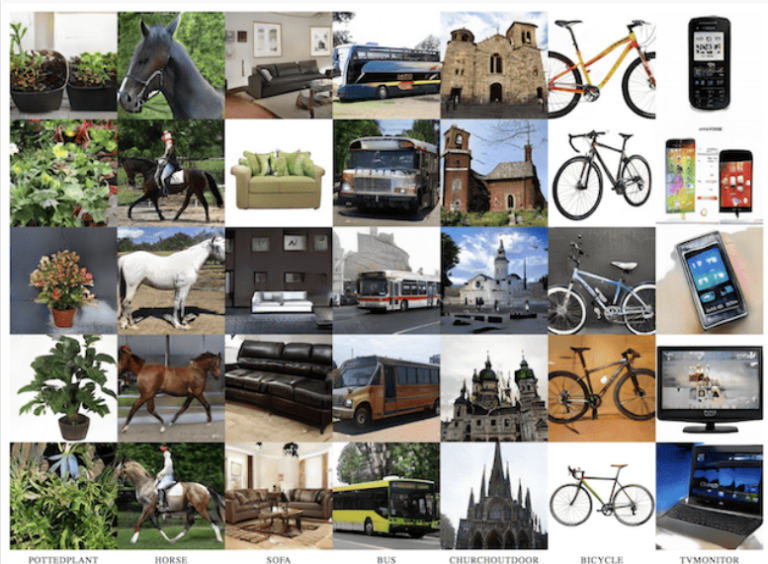
- StyleGAN3 from NVIDIA, which can generate high-resolution images of faces, objects, and scenes with unprecedented realism and diversity (Karras et al., 2021).
- DALL-E 2 from OpenAI, which can create images from textual descriptions, enabling new forms of AI-assisted creativity (Ramesh et al., 2022).
- Stable Diffusion, an open-source model that rivals DALL-E 2 in its ability to generate diverse and coherent images from text (Rombach et al., 2022).
In addition to GANs, other types of AI models used for influencer creation include:
-
Transformers like GPT-3 for generating human-like text in various styles and tones (Brown et al., 2020). GPT-4, released in 2023, pushed the boundaries of natural language interaction even further (OpenAI, 2023).
-
Multimodal models that can understand and generate content across modalities like text, images, and audio. Google‘s MUM model is a prominent example of this approach (Nayak, 2021).
-
Real-time rendering engines like Unreal Engine and Unity for creating interactive 3D avatars that can be driven by AI models (Ricaurte, 2022).
Powering an AI influencer requires carefully combining these different AI capabilities to create a cohesive and compelling character. This involves training models on large datasets of real influencer content, fine-tuning them to exhibit specific traits and styles, and deploying them in a scalable architecture that can generate and deliver content on demand. It‘s a complex technical challenge that requires deep expertise in AI/ML engineering, as well as creative and storytelling skills.
Designing Your AI Influencer‘s Persona
Once you have the underlying AI technology in place, the next step is to design your influencer‘s unique persona and visual identity. This is where the magic happens – transforming a collection of algorithms into a relatable and inspiring character that audiences can connect with.
Some key considerations for designing your AI influencer:
Demographics and Diversity
- Ensure your influencer reflects the diversity of your target audience in terms of age, gender, ethnicity, body type, etc.
- Consider creating multiple influencers to represent different segments and perspectives.
- Use AI tools like Equally AI to audit your datasets and models for bias and fairness (Bansal et al., 2021).
Visual Style and Aesthetic
- Develop a distinctive visual style guide for your influencer, including color palette, fashion choices, and photography/video style.
- Use AI-powered tools like Let‘s Enhance and neural style transfer to create unique and eye-catching visuals (Joshi, 2022).
- Partner with digital fashion houses and 3D artists to push the boundaries of virtual styling and world-building.
Personality and Backstory
- Give your influencer a memorable name and a detailed backstory that explains their origins, motivations, and values.
- Use AI writing tools like Copy AI and Jasper to generate character profiles, biographies, and sample dialogues.
- Hire voice actors and use AI speech synthesis to give your influencer a distinctive vocal presence.
Interaction and Community-Building
- Define your influencer‘s communication style, posting cadence, and engagement playbook.
- Use AI chatbots and conversational agents to enable your influencer to interact with fans in real-time, at scale.
- Collaborate with real human influencers to create content and storylines that blur the lines between fiction and reality.
By thoughtfully crafting your AI influencer‘s persona, you can create a character that feels authentic, relatable, and worthy of fans‘ attention and affection. Of course, this process also raises important questions about the ethics of AI-generated characters and the potential for deception and manipulation. We‘ll explore these issues in more depth later in this guide.
Tools and Platforms for Creating AI Influencers
Fortunately for aspiring AI influencer creators, there is a growing ecosystem of tools and platforms that make it easier than ever to build and deploy these virtual characters. Some of the leading solutions as of 2024 include:
Synthesia
- Synthesia is an AI video generation platform that enables users to create photorealistic avatars and videos from text.
- Their plug-and-play avatar system includes a diverse library of pre-built characters that can be customized and animated using simple tools.
- Users can also create their own custom AI avatars by uploading a few images or videos of a real person.
- Synthesia offers a wide range of languages and voice options, as well as integrations with popular video editing tools.
Rosebud AI
- Rosebud AI is a pioneer in the field of generative AI for branded content and virtual influencers.
- Their flagship product, Generative Studio, enables users to create custom AI models for generating images and videos of people, places, and products.
- Rosebud‘s models are trained on proprietary datasets of professional-quality content, ensuring high-fidelity and brand-safe outputs.
- The platform also includes collaboration and workflow tools to streamline the content creation process across teams.
Rephrase AI
- Rephrase AI is an AI-powered video creation platform that enables anyone to create professional-quality videos at scale.
- Their text-to-video technology can generate human-like avatars that speak in naturalistic voices and languages.
- Rephrase also offers a range of video templates and styles for different use cases, from product demos to social media ads.
- The platform includes a user-friendly editor for customizing videos and adding interactive elements like CTAs and quizzes.
Digital Humans as a Service (DHaaS)
- DHaaS is a new category of AI-powered solutions for creating and deploying virtual humans across industries like entertainment, education, and customer service.
- Companies like Soul Machines, Deepbrain AI, and Hour One offer platforms for designing, training, and integrating AI characters into various applications and experiences.
- These platforms leverage advanced AI technologies like computer vision, speech synthesis, and natural language processing to enable lifelike interactions with users.
- DHaaS solutions are increasingly being used for virtual influencers, brand ambassadors, and other marketing and engagement use cases.
By leveraging these tools and platforms, creators can drastically reduce the time, cost, and complexity of building AI influencers from scratch. However, it‘s important to carefully evaluate the capabilities and limitations of each solution, and to consider factors like data privacy, content ownership, and brand safety when choosing a partner or vendor.
The Benefits and Challenges of AI Influencers
So why should brands and creators consider investing in AI influencers? There are several compelling benefits:
Cost Efficiency and Scalability
- AI influencers can be created and deployed at a fraction of the cost of human influencers, who typically charge high fees for sponsored content and brand deals.
- Once an AI influencer is created, it can be easily replicated and scaled across multiple platforms, languages, and markets, providing global reach and consistency.
- AI influencers can work 24/7 without breaks, vacations, or overtime pay, enabling always-on content creation and fan engagement.
Creative Control and Flexibility
- Brands have complete control over the appearance, personality, and messaging of their AI influencers, reducing the risk of controversies or misalignments that can occur with human partners.
- AI influencers can be quickly adapted to changing trends, customer preferences, and campaign objectives, providing real-time agility and responsiveness.
- AI-generated content can be A/B tested and optimized based on performance data, enabling data-driven decision making and continuous improvement.
Innovation and Differentiation
- AI influencers offer a way for brands to showcase their technological prowess and creativity, generating buzz and standing out in a crowded market.
- Pairing an AI influencer with an immersive digital experience like the metaverse can create unique and engaging customer journeys that blend entertainment and commerce.
- Collaborations between AI influencers and human creators can lead to novel forms of storytelling and audience interaction that push the boundaries of what‘s possible.
However, there are also significant challenges and risks to consider:
Authenticity and Trust
- Some consumers may view AI influencers as fake or inauthentic, lacking the emotional depth and human connection of real influencers.
- There is a risk of AI influencers being used for deception or manipulation, such as spreading misinformation or promoting harmful products.
- Brands will need to be transparent about the use of AI and build trust through responsible and ethical practices.
Algorithmic Bias and Diversity
- AI models can perpetuate or amplify societal biases and stereotypes if not carefully designed and audited for fairness and inclusivity.
- There is a risk of AI influencers promoting narrow or unrealistic beauty standards, or failing to represent the diversity of their target audiences.
- Creators will need to prioritize diverse and inclusive datasets, as well as ongoing testing and monitoring for bias.
Intellectual Property and Regulation
- The legal and regulatory landscape around AI-generated content is still evolving, with questions around copyright, trademark, and personality rights.
- Brands may face challenges in protecting their AI influencer IP from infringement or misuse by third parties.
- There is a need for industry standards and best practices around disclosure, consent, and accountability for AI influencers.
Navigating these benefits and challenges will require a thoughtful and responsible approach to AI influencer creation and deployment. Brands and creators will need to strike a balance between innovation and integrity, pushing the boundaries of what‘s possible while prioritizing transparency, diversity, and user trust.
The Future of AI Influencers
As we look to the future, it‘s clear that AI influencers will continue to evolve and proliferate in exciting new ways. Some emerging trends and possibilities to watch:
Personalized and Interactive
- Advances in natural language processing and computer vision will enable AI influencers to engage in personalized and contextual interactions with fans, such as answering questions, giving advice, and even co-creating content.
- AI influencers will be able to tailor their content and recommendations based on individual user preferences and behaviors, providing a more intimate and valuable experience.
Cross-Platform and Immersive
- AI influencers will increasingly transcend social media platforms and enter new domains like gaming, VR/AR, and smart devices.
- The rise of web3 technologies like NFTs and decentralized virtual worlds will provide new opportunities for AI influencers to create and monetize content, as well as for fans to own and trade unique digital assets.
Collaborative and Generative
- We may see the emergence of AI influencer "mash-ups" that combine the traits and styles of multiple characters, or even real and fictional people.
- Generative AI tools will enable fans to create their own variations and remixes of AI influencer content, blurring the lines between consumption and creation.
Ethical and Responsible
- As AI influencers become more ubiquitous and influential, there will be a growing need for ethical frameworks and guidelines to ensure their responsible use and development.
- Brands and creators will need to prioritize transparency, accountability, and user agency in their AI influencer initiatives, and to engage in ongoing dialogue with consumers and regulators.
Ultimately, the future of AI influencers will be shaped by the choices and actions of the humans who create and interact with them. As an AI expert, my hope is that we can harness the power of this technology to create more engaging, inclusive, and meaningful experiences for users, while also mitigating the risks and challenges.
By approaching AI influencer creation with curiosity, creativity, and care, we can unlock new frontiers of human-machine collaboration and pave the way for a more imaginative and inspiring digital future. So let‘s get building!
Conclusion
In this guide, we‘ve explored the fascinating and fast-evolving world of AI influencers, from the technical foundations to the strategic and ethical considerations. We‘ve seen how advances in machine learning, computer vision, and natural language processing are enabling the creation of increasingly realistic and engaging virtual characters, and how brands and creators can tap into this trend to drive innovation and impact.
But we‘ve also grappled with the challenges and risks of this technology, from questions of authenticity and trust to issues of bias and regulation. As AI influencers become more prevalent and influential, it will be critical to approach their development and deployment with transparency, responsibility, and a commitment to user well-being.
Ultimately, the rise of AI influencers reflects a broader shift in the way we create and consume content in the digital age. As the lines between the real and the virtual continue to blur, and as the power of AI to generate and manipulate media grows, we will need to rethink our assumptions about truth, creativity, and human agency.
But with the right mix of technical expertise, creative vision, and ethical grounding, I believe that AI influencers can be a force for good – a way to tell new stories, forge new connections, and explore new possibilities for human-machine collaboration.
The future of influence is artificial, but the future of creativity and community is still very much in our hands. Let‘s build it together.