How to Prepare Your Dog for Surgery: Our Vet Explains What to Do
How to Prepare Your Dog for Surgery:
A Comprehensive Guide
For many dog owners, the prospect of their beloved pet undergoing surgery can be daunting and stressful. Whether it‘s a routine spay/neuter, mass removal, orthopedic procedure, or something else, proper preparation is key to helping your dog have a smooth surgery and recovery. As a veterinarian and lifelong dog lover, I‘m here to walk you through the steps of how to prepare your canine companion for their upcoming operation.
The prep begins long before you walk through the clinic doors the morning of the procedure. Taking certain measures in the days and weeks leading up to surgery can improve your dog‘s experience and outcome. And being organized and following post-op instructions to the letter will get your pup back on their paws as quickly as possible.
While it‘s normal to feel anxious about your fur baby having surgery, rest assured that advance preparation can make a world of difference. Knowing what to expect and being equipped with the knowledge and supplies you need will boost your confidence. A calm, positive mindset will also help reduce your dog‘s stress levels. Our canine companions are incredibly perceptive and take emotional cues from us. The more relaxed and assured you can be, the more at ease your pup will feel as well.
So take a deep breath, and let‘s walk through the key steps of surgical preparation together. From the pre-op appointment to the weeks of recovery, I‘ll guide you each step of the way. With some organization, knowledge, and TLC, you‘ll be ready to confidently support your dog before, during and after their procedure.
Pre-Surgical Preparation
The work of preparing your dog for surgery begins well before the day of the operation itself. Taking certain proactive steps in the lead-up to the procedure will help your dog arrive at the clinic primed for the best possible outcome.
Schedule a pre-surgical consult with your veterinarian. This exam typically takes place a few days to a week before the surgery date. The vet will assess your dog‘s overall health and identify any underlying issues that could complicate anesthesia or surgery. They may perform diagnostics like bloodwork, urinalysis, x-rays, or an ECG. This is also your opportunity to get all your questions answered, learn about the procedure, and review instructions for home care.
Fill prescriptions ahead of time, if possible. The vet may prescribe antibiotics, pain relievers, sedatives or other medications to give before and/or after surgery. Having them on hand in advance will be one less thing to coordinate on the day.
Address any health issues. If the pre-surgical exam identifies any medical concerns, follow your vet‘s treatment recommendations promptly. Conditions like periodontal disease, skin infections, parasites, or poorly controlled diabetes could potentially delay surgery if left unresolved. Taking care of your dog‘s health needs will enable them to be in the best shape possible before undergoing anesthesia and an operation.
Arrange for transportation and time off work. You‘ll need to drop your dog off early in the morning and will likely pick them up sometime that same afternoon or evening. Ensure you can take that day off work, as your dog may be groggy and will need your care and supervision after coming home from the vet hospital. If your dog is large, have an assistant on hand to help lift them in and out of the vehicle.
The Day Before Surgery
Now the procedure is just around the corner and it‘s time to get your ducks in a row for a smooth surgery day. Here‘s how to prepare in that final 24 hour stretch:
Fast your dog from food as directed by your vet. This is typically 8-12 hours before surgery, usually overnight. An empty stomach reduces the risk of vomiting and aspiration under anesthesia.
Withhold water starting 2-4 hours before the procedure, or as advised by your veterinarian. A small amount of water with medications is usually fine up until a few hours prior.
Give medications exactly as prescribed. If your dog takes regular medications, check with your vet if you should still give them the day of surgery. Some prescriptions must be given with a small meal, in which case your vet will instruct you on how to do so.
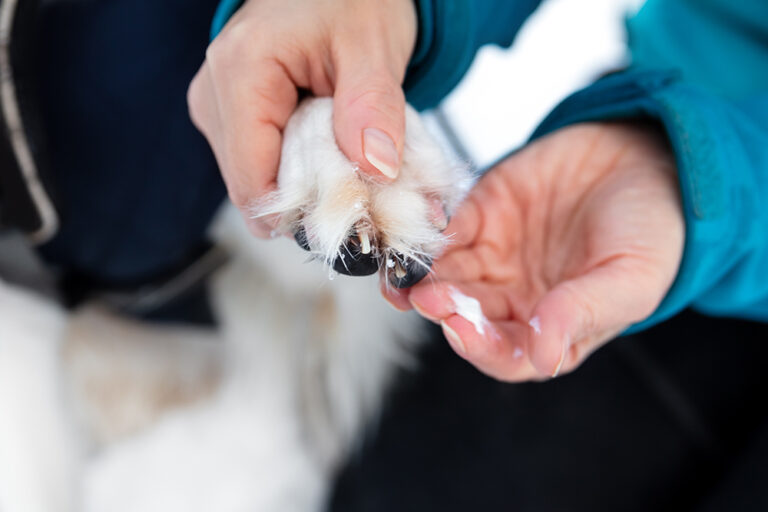
Bathe or groom your dog if needed. Dogs can‘t be bathed for about 2 weeks after surgery while incisions heal. Brush, trim nails, clean ears and express anal glands so your pup is tidy and comfortable going into the procedure. If your dog becomes anxious during grooming, ask if the vet can take care of it while your pet is sedated.
Avoid rigorous exercise. Now is not the time for extra long walks, intense play sessions, or weekend warrior activity. Overexertion plus the stress of surgery could equal a very sore dog. Stick with short, gentle outings to help your pup rest up.
Prepare your dog‘s recovery space. Choose a quiet, comfortable, confined area where your dog will spend most of their time for the first few weeks post-op. The less they have to navigate stairs, slippery floors, or obstacles, the better. Wash bedding and gather supplies like food and water bowls, puppy pads for accidents, and a crate or pen if needed.
Pack a "go bag" for the morning of surgery. Include your dog‘s medications, proof of rabies vaccine, and your contact information. If your dog has a comfort item like a favorite blanket or toy, you can send that along too.
Get a good night‘s sleep. Do your best to relax and get to bed early so you can arrive at the vet hospital on time. Taking care of yourself will equip you to take care of your dog. Resist the urge to stay up late worrying or researching worst case scenarios online. Remember, the vast majority of surgical procedures and anesthetic episodes go smoothly, even in senior pets. Trust that your dog is in good hands with your vet team.
The Morning Of The Procedure
The day is finally here. Stick to the plan and try to stay calm. Your dog may be confused, hungry or anxious, so keeping your cool will help the morning go smoothly. This is how those last few hours before surgery should unfold:
No breakfast. As hard as it is to withhold food when your dog is giving you the hungry eyes, don‘t cave in. An empty stomach is crucial for safe anesthesia.
Offer a few laps of water only if your vet has okayed it, then pick up the bowl a few hours before you leave for the clinic.
Administer any morning medications. Your vet will instruct you on which ones to give and if they can be taken on an empty stomach.
Take a short walk. Keep your dog on leash for a quick spin around the block to encourage a final potty break before you head out.
Arrive at the vet hospital 10-15 minutes early in case there‘s paperwork and you need time to settle your dog in their kennel.
Leave emergency contact information. Ensure the staff knows how to reach you and when you‘ll be by your phone awaiting updates.
Ask any remaining questions. Clarify when and who will call you after surgery, when your dog can eat again, and what time they‘ll likely be discharged.
Keep goodbyes short and sweet. An overly emotional parting may just stress your dog out more. Remember, your pup is in great hands with the veterinary team – they‘ve got this! It won‘t be long until your canine kid is recovered and back in your arms. Grab a coffee and find a quiet spot to read or catch up on emails while you wait for the phone to ring with an update.
When Your Dog Comes Home
In most cases, your pup will be coming home with you the same day as their surgery. But even though they get to recuperate in the comfort of their own bed, they still have a lot of healing to do. Proper home care during those first few days and weeks is crucial to a good outcome. Here‘s what to expect and how to support your dog‘s recovery:
Bring Help and Supplies. Recruit a friend or family member to assist you in getting your groggy dog safely from the car into the house, especially if you have a large breed. Prepare a soft bed or crate with the e-collar, medications, food and water bowls, and puppy pads nearby.
Expect Grogginess. In the first 12-24 hours after anesthesia, your dog will likely be tired, uncoordinated and may not have much of an appetite. This is normal. Provide a quiet, confined space for them to rest and recover. Check on them frequently but avoid overstimulating them.
Follow feeding instructions. Most healthy dogs can resume their normal diet the evening after surgery. Start with a small meal of easily digestible food, like boiled chicken and rice. If your dog has an underlying condition or the vet instructs otherwise, adhere to the personalized feeding plan you‘re given.
Limit activity. Your vet will give you detailed instructions on your dog‘s activity restrictions, but generally you can expect strict rest with just short, on-leash potty walks for at least the first two weeks. No running, jumping, playing, swimming, bathing or interacting with other dogs. Mental stimulation is great, but keep physical movement minimal.
Give medications on schedule. If your dog is coming home with pain relievers, antibiotics or other medications, be diligent about giving them exactly as prescribed. Using a pill organizer or setting phone reminders can help you stay on track. Contact your vet early if your dog is having trouble taking their meds.
Prevent licking. Your dog will likely come home with an Elizabethan collar ("e-collar" or "cone") or surgical suit to prevent them from licking their incision. Licking and chewing out sutures is one of the most common complications of surgery. Leave the protective device on at all times unless your vet instructs otherwise.
Monitor the incision. Check your dog‘s incision site at least twice daily. It may be a bit red, bruised or swollen initially but should improve day by day. A small amount of blood or discharge is normal. Contact your vet if you notice excessive discharge, foul odor, heat, increasing pain or swelling, or if sutures come loose. Take photos to show your vet if you‘re not sure.
Know when to call for help. Trust your instincts and call your vet right away if something seems off with your dog after surgery. Worrisome signs include lethargy lasting more than 24 hours, inappetance, vomiting, diarrhea, difficulty urinating or defecating, pale gums or labored breathing. Don‘t hesitate to ask questions – your vet would much rather you seek advice than wait until there‘s a serious problem.
As your dog starts feeling better, they may begin testing the boundaries of their activity restriction. This is when you need to stay strong and keep them calm and quiet, even if they seem eager to resume their normal shenanigans. Too much activity too soon can disrupt the healing process and land you back at the vet.
Continue the post-op restrictions, medications and incision checks until your dog is cleared by the vet, typically around two weeks after surgery. At this recheck appointment, your vet will assess your dog‘s healing and recovery and let you know when they can gradually return to regular exercise. It may be a few more weeks until your pup can resume all their favorite activities – be patient.
Following your discharge instructions closely, monitoring your dog carefully, and notifying your vet of any concerns will set your dog up for surgical success. Before you know it, your resilient canine will be back to living their best life, happy and healthy by your side.
In Closing
Preparing your dog for surgery may seem overwhelming, but you‘ve got this! And your vet is there to guide you every step of the way. Remember, an ounce of preparation is worth a pound of cure. By taking the time to plan ahead, you‘re giving your dog the best shot at a smooth procedure and speedy recovery.
Wishing you and your beloved pup all the best with the upcoming surgery. With a lot of love and a little extra care, your canine kid will be back on their paws and thriving again in no time.