Is Hydrogen Peroxide Safe for Dogs? A Vet‘s Perspective
As a lifelong dog lover and veterinarian, I know that we all want to do what‘s best for our furry family members. We‘d do anything to keep them healthy and safe. So when our dogs get hurt or sick, it‘s natural to reach for the supplies in our medicine cabinet, like hydrogen peroxide, to help them feel better.
However, I‘m here to tell you that using hydrogen peroxide on your dog is not a good idea, no matter what you may have been told in the past. In this article, I‘ll explain the risks of using hydrogen peroxide on dogs and provide some safer alternatives for wound care and poison treatment.
What is Hydrogen Peroxide?
Hydrogen peroxide (H2O2) is a chemical compound made up of hydrogen and oxygen. It‘s a clear, colorless liquid at room temperature. Hydrogen peroxide is a powerful oxidizing agent, meaning it readily releases oxygen atoms. This is what gives it its foaming, bubbling action and its ability to break down organic matter.
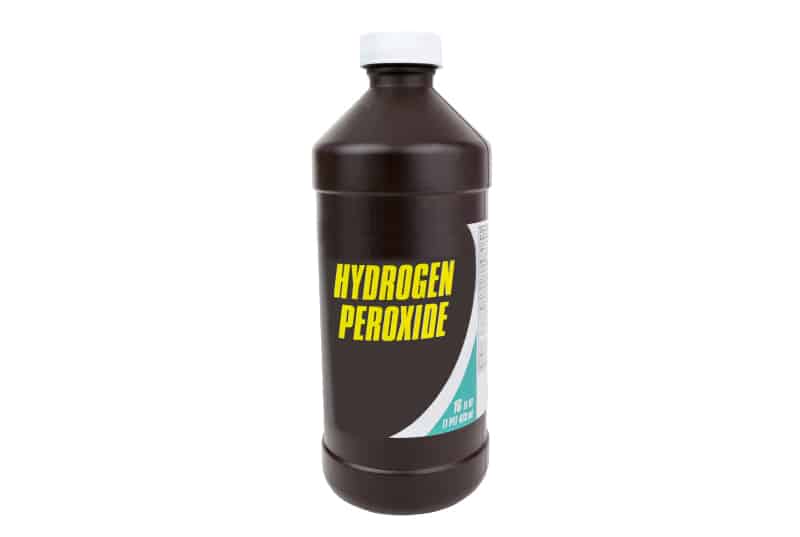
Most households have a brown bottle of 3% hydrogen peroxide in their first aid kit. It has long been used as a mild antiseptic for cleaning wounds and preventing infection. At higher concentrations, hydrogen peroxide is used as a bleaching agent and household cleaner.
Why You Shouldn‘t Use Hydrogen Peroxide on Your Dog
In the past, even some veterinarians recommended using hydrogen peroxide in certain situations for dogs, such as:
- Inducing vomiting if a dog ingested something toxic
- Cleaning dirt and debris out of wounds
However, recent research and expert advice from toxicology experts has shifted the veterinary consensus away from hydrogen peroxide. Here‘s why.
Hydrogen Peroxide Can Cause Severe Stomach Damage
One of the most dangerous potential effects of giving your dog hydrogen peroxide is the damage it can do to their stomach and esophagus. A 2016 study published in the Journal of Veterinary Emergency and Critical Care examined the effects of using 3% hydrogen peroxide solution to induce vomiting in dogs.[^1]
The researchers found that every single dog that received hydrogen peroxide developed stomach inflammation and bleeding stomach ulcers when viewed with an endoscope. In contrast, dogs that received a different emetic (apomorphine) did not have any visible stomach damage.
The study authors concluded that the use of hydrogen peroxide as an emetic in dogs should be discouraged due to the high risk of stomach ulceration. They advised using alternative methods under the guidance of a veterinarian.
[^1]: Niedzwecki AH, Book BP, Lewis KM, Estep JS. Effects of oral 3% hydrogen peroxide used as an emetic on the gastroduodenal mucosa of healthy dogs. J Vet Emerg Crit Care (San Antonio). 2017 May;27(3):178-184. doi: 10.1111/vec.12569. Epub 2016 Nov 29. PMID: 27896877.Hydrogen Peroxide Can Delay Wound Healing
Another outdated use of hydrogen peroxide was cleaning wounds. Many people thought that the bubbling action would help clean the wound and prevent infection. What we didn‘t realize is that hydrogen peroxide can actually kill the cells that are trying to heal the wound.
Fibroblasts are the main cells involved in repairing damaged tissue and closing wounds. A 2013 in vitro study in the journal Wound Repair and Regeneration tested various wound cleansing solutions on human skin fibroblast cells.[^2] The researchers found that hydrogen peroxide solution, even diluted to 1%, damaged fibroblasts and inhibited their growth.
Meanwhile, sterile saline and tap water had minimal negative effects on the fibroblasts. The authors advised against using hydrogen peroxide for wound care based on their findings. Although this study used human cells, dogs‘ cells function very similarly when it comes to wound healing.
[^2]: Liu X, Shan B, Qi J, Ma Y. Toxic effects of hydrogen peroxide on wound healing in vitro. J Wound Care. 2013 Feb;22(2):81-2, 84, 86-8. doi: 10.12968/jowc.2013.22.2.81. PMID: 23665726.Inducing Vomiting Can Sometimes Make Poisoning Worse
If you suspect your dog has ingested something poisonous, your first instinct may be to make them throw it up. This is why hydrogen peroxide was sometimes recommended, as it irritates the stomach lining and triggers rapid vomiting. However, veterinary poison control experts now say that inducing vomiting at home is rarely the right solution.
According to the ASPCA Animal Poison Control Center (APCC), one of the leading animal toxicology services in the US, there are several situations where making a dog vomit can actually increase the risk of harm:[^3]
- If the substance ingested was a strong acid or alkali, vomiting can cause additional damage to the esophagus
- If the dog is already showing symptoms like lethargy or difficulty breathing, they may not be able to safely vomit
- If it has been more than 2 hours since ingestion, the substance has likely already moved past the stomach
- If the substance is sharp or caustic, vomiting can cause choking or further injury
Instead of reaching for the hydrogen peroxide, the APCC advises contacting a veterinarian or animal poison control hotline immediately. The experts can evaluate the situation and determine whether inducing vomiting is appropriate. If it is, they will provide specific instructions on how to do it safely.
[^3]: "What to Do If Your Pet Is Poisoned." ASPCA, https://www.aspca.org/pet-care/animal-poison-control/what-do-if-your-pet-poisoned. Accessed 27 May 2023.My Dog‘s Hydrogen Peroxide Horror Story
I‘ll never forget the time I made the mistake of giving my dog hydrogen peroxide. It was years ago before I knew better, and my curious pup Bella had gotten into a pack of sugarless gum. Knowing that xylitol is extremely toxic to dogs, I panicked and reached for the brown bottle in my cabinet.
I still remember the sounds of her wretching and the look of betrayal in her eyes as she vomited over and over again. She became lethargic and refused to eat. I rushed her to the animal hospital where they discovered she had developed ulcers in her stomach from the hydrogen peroxide. Thankfully with proper treatment she recovered, but I still feel guilty for putting her through that trauma.
I share this story not to scare you, but to emphasize how serious the side effects of hydrogen peroxide can be, even when given with good intentions. As tempting as it may be to take matters into your own hands, it‘s always best to contact your vet before administering any treatments at home.
Safe Alternatives for Cleaning Your Dog‘s Wounds
Now that we‘ve established why hydrogen peroxide should be avoided, let‘s talk about some safer options for cleaning your dog‘s minor wounds at home:
- Flush the wound with lots of clean water or sterile saline solution (you can make your own by mixing 1 tsp of salt into 1 cup of boiled, cooled water). A syringe can be helpful for delivering a gentle stream of fluid.
- If there is visible debris, use tweezers to carefully remove it. Just be cautious not to cause additional injury.
- You can use a very dilute Betadine (povidone-iodine) or Chlorhexidine solution to help disinfect the area if desired. These antiseptics are less harmful to the healing process than hydrogen peroxide.
- Apply a small amount of triple antibiotic ointment to keep the wound moist and prevent bacterial infection.
- Cover the area with sterile gauze pads and a loose-fitting bandage if your dog will tolerate it.
Of course, these tips are for minor scrapes and cuts only. If your dog has a more serious wound that is deep, bleeding heavily, or exposing underlying muscle or bone, seek veterinary care immediately. When in doubt, give your vet a call for advice.
What to Do If You Suspect Your Dog Was Poisoned
As we discussed earlier, inducing vomiting with hydrogen peroxide is no longer the go-to response for potential poisoning. According to the Pet Poison Helpline, here are the steps you should take instead:[^4]
- Stay calm and remove your dog from the area.
- Check to make sure your dog is breathing normally and responsive.
- Gather up any remaining material, packaging, and vomit/feces. This will help the experts determine the potential toxicity.
- Don‘t give your dog any food, water, or medications unless instructed.
- Contact your veterinarian, emergency animal hospital, or a pet poison control center (like the Pet Poison Helpline at 855-764-7661 or ASPCA APCC at 888-426-4435) immediately. Be ready to provide details on what happened, your dog‘s weight, and any symptoms you‘ve noticed.
- Follow their instructions exactly, whether that‘s bringing your dog into the vet or administering a specific treatment at home.
The sooner you get expert guidance, the better the chances of a positive outcome for your dog. It‘s a good idea to save the contact info for your vet, local emergency vet, and pet poison hotline in your phone so you can act quickly in a scary situation.
[^4]: "Dog Poisoning: Causes, Symptoms, Diagnosis & Treatment." Pet Poison Helpline, https://www.petpoisonhelpline.com/pet-safety-tips/dog-poisoning/. Accessed 27 May 2023.Be Prepared With a Dog First Aid Kit
As a responsible dog owner, it‘s important to have a well-stocked first aid kit on hand for emergencies. Here are some of the essential items the American Kennel Club recommends including, along with safer alternatives to hydrogen peroxide:[^5]
- Sterile saline solution or salt for making a salt solution
- Betadine or Chlorhexidine solution (diluted)
- Triple antibiotic ointment
- Antiseptic wipes
- Gauze pads and rolls
- Medical tape and elastic bandage
- Scissors and tweezers
- Digital thermometer
- Tick removal tool
- Styptic powder for bleeding nails
- Your vet‘s contact info and the Pet Poison Helpline number
Having these supplies organized and easily accessible can make a world of difference if your dog gets hurt and time is of the essence. It‘s also wise to familiarize yourself with canine CPR and basic first aid. You never know when you might need to jump into action to save your dog‘s life.
[^5]: "How to Make a First Aid Kit for Dogs." American Kennel Club, 17 June 2021, https://www.akc.org/expert-advice/health/how-to-make-a-first-aid-kit-for-dogs/.The Bottom Line
In summary, the evidence is clear that hydrogen peroxide poses too many risks to be used on dogs. Ingesting it can cause severe stomach ulcers and esophageal damage, while applying it topically can impair wound healing. In the past, we just didn‘t know better. But now that we do, it‘s up to us to make safer, more informed choices for our canine companions.
As a vet, my advice is to skip the hydrogen peroxide and err on the side of caution. If your dog is vomiting, has diarrhea, gets stung by an insect, or eats something potentially poisonous, contact your vet or an animal poison control center right away. They are your best allies in an emergency.
For minor injuries, stick to cleaning with sterile saline and water, and use gentler antiseptics like dilute Betadine if needed. But trust your instincts – if a wound looks deep or infected, don‘t hesitate to have it checked out.
Remember, our dogs count on us to keep them healthy and safe. With a little knowledge and preparation, you can be the hero your furry friend deserves.
Additional Resources
- ASPCA Animal Poison Control Center: https://www.aspca.org/pet-care/animal-poison-control
- Pet Poison Helpline: https://www.petpoisonhelpline.com/
- American Kennel Club Dog First Aid Guide: https://www.akc.org/expert-advice/health/dog-first-aid-guide/
- American Veterinary Medical Association Dog Care Tips: https://www.avma.org/resources/pet-owners/dog-care-tips