
Apricot Maltipoo: Origin, Facts & History (With Pictures)

Adorable, intelligent, playful and loving – it‘s easy to see why apricot maltipoos have captured the hearts of dog lovers around the world. With their charming personalities, teddy bear looks, and low-shedding coats, these small hybrid dogs check all the boxes for the perfect companion animal. If you‘re looking for a dog that will be your devoted best friend, a sweet and silly playmate, and a source of nonstop entertainment, an apricot maltipoo may be your ideal match.
What is an apricot maltipoo?
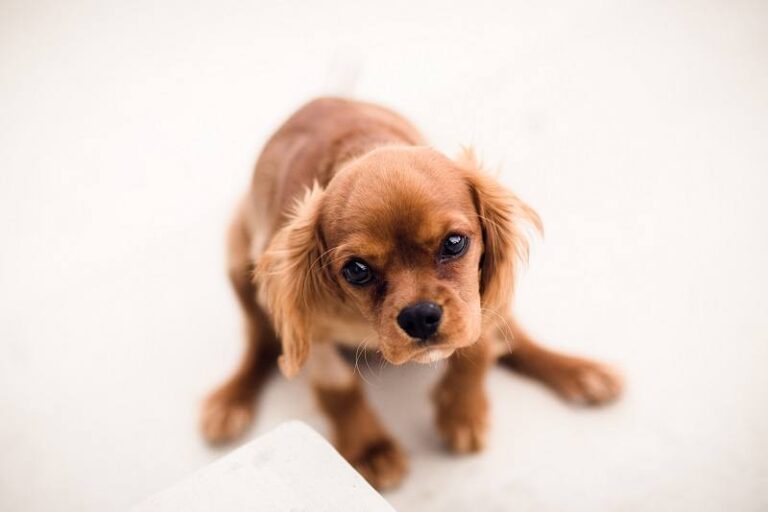
An apricot maltipoo is a hybrid cross between a Maltese and a toy or miniature poodle, with an apricot-colored coat. This unique color ranges from a light or golden apricot to richer shades of reddish bronze. The apricot color comes from the poodle side, as Maltese dogs only come in white.
Like other maltipoos, apricot maltipoos inherit a mix of physical and personality traits from their parent breeds. They tend to have the small stature, round eyes, and sweet expression of the Maltese, with the curly or wavy low-shedding coat and high intelligence of the poodle. Most apricot maltipoos are small dogs, typically weighing 5-12 pounds and standing 8-14 inches tall at the shoulder.
Beyond their irresistibly cute appearance, it‘s the maltipoo‘s friendly, affectionate nature that has made them so popular. These are happy, social dogs who love nothing more than being around their favorite humans. They crave attention and togetherness, always wanting to snuggle in a lap, go for a walk, or play a lively game of fetch or tug-of-war. Maltipoos tend to get along well with everyone including kids, other dogs, cats, and strangers. These joyful, gentle dogs spread smiles and laughter everywhere they go.
History of the maltipoo
The maltipoo is still a relatively new hybrid breed, having originated in the United States in the late 1990s as demand grew for small, low-shedding companion dogs. The goal was to create an intelligent, affectionate lapdog suitable for people with allergies by crossing two popular breeds known for these traits: the Maltese and the toy or miniature poodle.
Maltese dogs are an ancient breed, believed to have originated over 2000 years ago in Malta. Favored by royalty and nobility throughout history, these pure white dogs were refined over the centuries to be the ultimate companion animal – small, gentle, playful and sweet-natured.
Toy and miniature poodles have a somewhat shorter but still distinguished history, having been bred down from the larger standard poodle in the 18th century. Prized for their intelligence, athleticism and hypoallergenic coats, poodles of all sizes have excelled in many roles from circus performer to loyal companion.
By crossing these two remarkable breeds, maltipoo breeders aimed to create the best of both worlds. And by all accounts, they succeeded brilliantly. Maltipoos proved to have the affectionate, cheerful nature and beautiful appearance of the Maltese with the clever mind, trainability, and low-shed coat of the poodle. It‘s no surprise that these adorable dogs quickly gained popularity.
Today, the maltipoo is considered a hybrid or designer dog breed. They are not purebred dogs and are not recognized by the AKC or other major kennel clubs. However, some hybrid dog registries do recognize the maltipoo, including the American Canine Hybrid Club, Designer Dogs Kennel Club, and more. Many maltipoo breeders are working to refine and standardize the breed with consistent traits and healthy bloodlines.
Apricot maltipoo characteristics
Apricot maltipoos share most of the same characteristics of maltipoos in other colors, with their distinctive coat setting them apart. The apricot color comes from a dilution gene in poodles. It‘s a pale yellowy-orange color that can range from a light peachy gold to a rich reddish-bronze hue. Some apricot maltipoos may fade as they age, becoming a paler caramel blonde in adulthood.
Like most maltipoos, apricots have a low-shedding, hypoallergenic coat that‘s either loosely wavy or tightly curled. They do not have an undercoat. The coat is soft and silky rather than harsh or wiry. Regular brushing and trimming is important to prevent matting and keep the coat looking its best. Many owners opt to have their maltipoo‘s coat clipped short into a simple "puppy cut" for easier maintenance.
Apricot maltipoos have an adorable, teddy bear-like appearance. They tend to have round dark eyes, a black nose, compact body, and a soft, fluffy coat. Some may have a slightly longer snout than others, depending on whether they favor their Maltese or poodle parent more. They have a sturdy build for a small dog but a delicate, cuddly look.
The maltipoo‘s standout trait is their incredibly friendly, outgoing, people-oriented personality. These dogs absolutely adore their humans and always want to be right by your side as a loyal companion. They‘re very playful and energetic, always up for a lively game or adventure. Maltipoos tend to hang onto their puppy-like enthusiasm and silly antics well into adulthood. At the same time, they have a sweet, gentle nature, happiest snuggling in a warm lap or getting a belly rub.
Apricot maltipoos are highly social dogs that get along with just about everyone. They love kids and are very tolerant of being carried around or dressed up. These happy-go-lucky dogs are also very friendly with strangers and tend to assume everyone they meet will be their new best friend. This means they aren‘t always the most reliable watchdogs, although they may still bark to alert you of new people or sounds.
While maltipoos can adapt well to apartment living and don‘t need a huge amount of exercise, they are surprisingly energetic and do require regular walks and playtime. Plan on at least 30-60 minutes of walking per day plus a couple shorter play sessions. These smart dogs also need a good amount of mental stimulation through interactive play, puzzle toys, training games, and food-dispensing toys.
One potential downside of the maltipoo‘s deeply affectionate nature is that they can develop separation anxiety. These are dogs that crave togetherness and don‘t do well when left alone for long periods day after day. They may resort to barking, chewing or having accidents when bored or anxious. Maltipoos are best suited for homes where someone is around for most of the day or can bring them along to work or outings frequently.
Grooming and care
Apricot maltipoos are fairly low-maintenance dogs but do require some special grooming to stay looking their best. Regular brushing and trimming is a must to prevent the soft, curly coat from matting or tangling. Plan to brush an apricot maltipoo at least 2-3 times per week, more often if keeping the coat longer. Many owners prefer to keep their maltipoo in a short puppy clip which is not only adorable but easier to maintain.
Like their Maltese parents, maltipoos are prone to tear stains, the reddish-brown discoloration that can form around the eyes. Regular cleaning around the eyes and face can help prevent stains. Maltipoos may also have dental issues like many small breed dogs. Brushing the teeth daily, providing dental chews and toys, and getting professional cleanings as recommended can help avoid tooth loss.
Although they don‘t need a huge amount of exercise, apricot maltipoos do require daily walks of 20-30 minutes plus a couple shorter potty breaks. These playful dogs also need a few good play sessions mixed in, whether it‘s romping with other dogs at the park, chasing a ball in the backyard, or playing tug and fetch games indoors. Mental exercise is just as important for these brainy dogs, so provide puzzle toys and plenty of socializing opportunities.
Maltipoos can be prone to certain health concerns that are common in their parent breeds like patellar luxation, portosystemic shunt, periodontal disease, tracheal collapse, and Legg-Calve-Perthes disease. Reputable breeders take precautions to avoid perpetuating these issues by health testing prospective parent dogs. But it‘s always important to be aware of potential breed-related issues. Choosing a maltipoo from a responsible breeder, keeping up with preventive care, and providing a healthy diet and exercise are the best ways to ensure your apricot maltipoo lives a long, healthy life.
Training and socialization
Luckily, maltipoos tend to be very smart and trainable dogs, thanks to their poodle heritage. They learn quickly, enjoy making their humans happy, and are always excited to learn new tricks. That said, they can sometimes inherit a bit of a stubborn streak which combined with their small size can make housetraining trickier than with some larger dogs. Patience, consistency, positive reinforcement and a regular potty schedule can help maltipoos master this important skill.
Early and ongoing socialization is key for apricot maltipoos to become confident, friendly adult dogs. Expose your maltipoo puppy to lots of different people, other dogs, new places and experiences to help them feel at ease in any situation. Well-run puppy classes are a great start. Even adult maltipoos benefit from regular outings and socializing opportunities like trips to the dog park, beach, outdoor cafes, and play dates with canine pals.
Maltipoos have a sensitive nature and don‘t respond well to punishment, scolding or harsh training methods. Always use positive, reward-based training with lots of praise, petting, toys and treats to encourage your maltipoo to learn good behaviors. With their intelligence and eagerness to please, apricot maltipoos can excel in canine sports like obedience, agility and rally. Many maltipoos also make incredible therapy dogs thanks to their sweet, intuitive, happy-go-lucky nature.
Finding an apricot maltipoo
If you think an apricot maltipoo could be your perfect companion, take some time to research and find a reputable breeder or rescue organization. Because of their popularity, maltipoos are often bred and sold by puppy mills and other unethical breeders. Avoid pet stores, online ads or breeders who always have puppies available, don‘t ask you questions, won‘t show you the parents or breeding facility, or don‘t provide health clearances.
A responsible maltipoo breeder breeds for health and temperament above all else. They carefully screen prospective parent dogs for genetic issues, provide enrichment and socialization for puppies, and ensure pups are healthy and well-adjusted before going to their new homes. Good breeders are transparent about their practices, happy to answer all your questions, and committed to being a resource for the lifetime of your maltipoo.
You can also check maltipoo-specific rescue organizations or local shelters and animal rescues. Because the breed is so popular, it‘s not uncommon for maltipoos to end up in the shelter system when an owner‘s situation changes. Adopting an adult apricot maltipoo lets you skip the demanding puppy stage and gives a deserving dog a second chance at a loving home.
Conclusion
With their charming personalities, intelligence, and adorable apricot coats, it‘s easy to see why this maltipoo color variety is in such high demand. These petite, outgoing dogs pack a lot of love and companionship into a small package. For those who want a dog to share all of life‘s adventures, an apricot maltipoo could very well be your perfect match.
While maltipoos can adapt to many different homes and lifestyles, they are best suited for households where they won‘t be left alone for long periods and can get plenty of attention, exercise and socialization. With their playful, affectionate nature and ability to get along with everyone, apricot maltipoos make wonderful family pets as well as companions for individuals and couples.
As with any dog breed, it‘s important to carefully consider your lifestyle and whether you can meet an apricot maltipoo‘s needs before making the commitment. If you can provide a loving home, plenty of quality time, and stay on top of grooming and training, you‘ll be rewarded with one of the sweetest, cuddliest, most entertaining canine companions around. An apricot maltipoo will certainly fill your life with color, love and laughter for many years to come.



)