Italian Greyhuahua Mixed Dog Breed: Info, Pictures, Care & More
An Expert‘s Guide to the Charismatic Italian Greyhuahua
Are you intrigued by the unique look and spirited personality of the Italian Greyhuahua? This distinctive designer dog combines the elegant physique of the Italian Greyhound with the compact size and confidence of the Chihuahua. The result is an affectionate, energetic little dog with a big personality. As a veterinarian and dog lover, I‘m excited to share my knowledge and insights about this charming and relatively rare hybrid breed.
In this comprehensive guide, you‘ll learn all about the appearance, temperament, care needs, ideal home, and more for the Italian Greyhuahua. I‘ll also share some professional tips for finding a healthy puppy from a responsible breeder. By the end, you‘ll have a clear idea if this delightful little dog could be your ideal canine companion. Let‘s dive in!
Italian Greyhuahua 101: Understanding the Basics
The Italian Greyhuahua, sometimes called a "Greyhuahua" for short, is a 50/50 cross between a purebred Italian Greyhound and Chihuahua. Since it‘s a newer "designer dog" mix and not a registered breed, there is no detailed breed standard. That means there can be a lot of variation in size and appearance between individual Italian Greyhuahuas. In general, though, here‘s what you can expect:
Size: Typically weighs between 5-15 pounds and stands 10-15 inches tall at the shoulder. Smaller than an Italian Greyhound but larger than most Chihuahuas.
Coat: A short, smooth coat like both parent breeds. The fur is very fine and lies close to the body. Shedding is minimal.
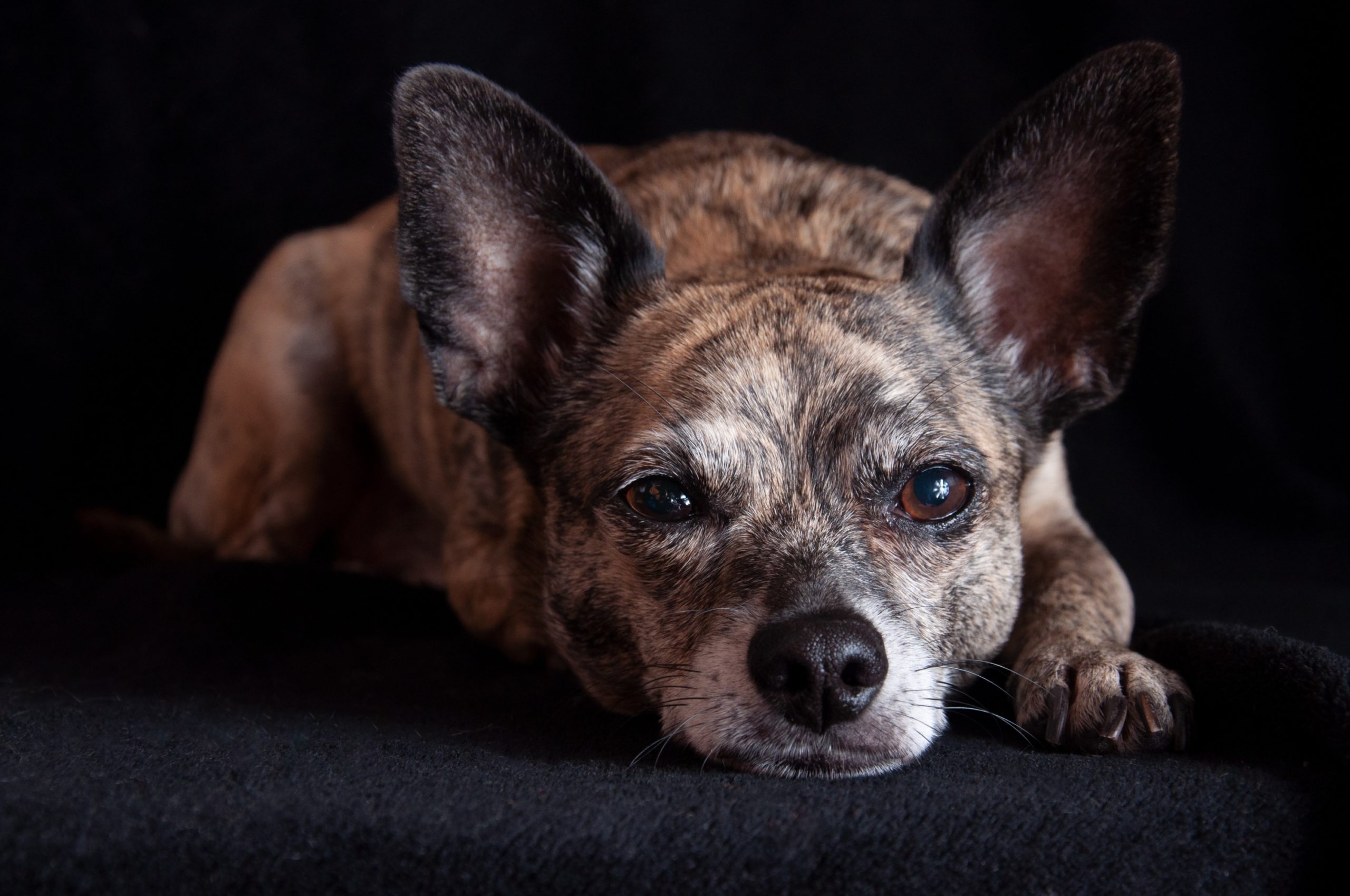
Colors: Any color combination seen in Italian Greyhounds and Chihuahuas, including fawn, red, black, blue, cream, white, chocolate, and more. Brindle or spotted patterns are possible.
Head: Elegant and refined, with a tapered muzzle that‘s shorter than an Italian Greyhound‘s but longer than a Chihuahua‘s. Ears are large, upright, and very mobile. Eyes are round and expressive.
Body: Slender and athletic like an Italian Greyhound, with the characteristic arched loin and tucked-up belly. The chest is deeper than a Chihuahua‘s and legs are long and slender. The tail is medium-length and carried in a sickle curve.
Lifespan: 12-16 years on average, which is impressive for a small breed. Proper care can help your Italian Greyhuahua live a long, healthy life.
As you can see, Italian Greyhuahuas inherit physical traits from both parent breeds but tend to look more like elegant, slender miniature Greyhounds overall. Of course, some individuals may take after their Chihuahua parent more. That‘s part of the appeal (and uncertainty) of hybrid vigor in mixed breeds.
Now that you can recognize an Italian Greyhuahua, let‘s explore how this unique mix came to be.
History of the Italian Greyhuahua: A Modern American Hybrid
Unlike some designer dogs, the Italian Greyhuahua doesn‘t have a very long history. This intentional crossbreed originated in the United States sometime in the late 20th century as Chihuahuas and Italian Greyhounds gained popularity.
The goal was likely to create a small companion dog with the gentle, affectionate nature of the Italian Greyhound and bold, portable size of the Chihuahua. However, like many newer hybrids, detailed records of the Italian Greyhuahua‘s earliest origins are scarce.
We can learn more by looking at the history of the parent breeds:
The Italian Greyhound, as the name implies, is an ancient companion breed from the Mediterranean region. Small "Greyhound-like" dogs appear in decorative art from Turkey, Greece and Italy dating back over 2,000 years. By the Middle Ages, these miniature sighthounds were popular companions for nobles and royalty across southern Europe. Their role was simply to be cherished, elegant pets and lap warmers.
Italian Greyhounds arrived in England in the 17th century, where they quickly charmed the upper class. The breed suffered during World Wars I and II but dedicated breeders revived the breed in Italy, the UK and USA. Today‘s Italian Greyhound is virtually unchanged from its ancient ancestors.
The Chihuahua‘s roots go back to pre-Columbian Mexico, where small dogs featured prominently in Toltec, Aztec and Mayan art and religious artifacts. Archaeologists have found dog skeletons in human burial sites dating to 300 BCE. When the Spanish conquistadores arrived in the 1500s, they named these "tiny dogs" after the Mexican state of Chihuahua.
The modern Chihuahua developed in Mexico and the American Southwest in the mid-1800s. Some people believe these little dogs descended solely from the Techichi, companion dogs favored by the Toltecs. Others theorize that crossing with Chinese Crested dogs brought by Spanish traders influenced the breed. In any case, Chihuahuas charmed American visitors to Mexico and the breed‘s popularity spread across the country. The AKC recognized the Chihuahua in 1908.
As you can see, both parent breeds of the Italian Greyhuahua have a fascinating history as beloved companion dogs for centuries. Now let‘s fast-forward to the present day and look at the charms and challenges of living with a "Greyhuahua."
Temperament and Personality: Bold, Bright and Affectionate
An Italian Greyhuahua‘s temperament and personality will vary depending on which parent breed is more influential. In general, though, you can expect a dog with the following traits:
Very affectionate and devoted to their family
Alert, curious and playful
Highly intelligent with an independent streak
Can be aloof or timid with strangers
High energy and needs a good deal of exercise
May have a strong prey drive (urge to chase)
Prone to digging, chewing and barking
Prefers to be with their people, may suffer from separation anxiety
While generally gentle and good-natured, Italian Greyhuahuas are still terriers at heart. They tend to be "busy" little dogs who like having a job to do, even if it‘s just patrolling the backyard for squirrels. Puzzle toys, hide-and-seek games, trick training and sports like rally obedience are great ways to channel their keen minds.
With their family, Italian Greyhuahuas are typically loving, loyal little lapdogs who crave attention. They can be very cuddly and make devoted companions for single people, couples or families with older children. Very young kids may accidentally hurt these small, slender dogs during rough play.
Italian Greyhuahuas are adaptable and do well in apartments as long as they get enough exercise. A securely fenced yard is ideal for burning off energy. But take care: their prey drive and curiosity can lead them to dig under or squeeze through small gaps in search of adventure. They also tend to be quite vocal, so expect alert barking at passing strangers, wildlife, and imagined threats.
Overall, the Italian Greyhuahua can be an entertaining, endearing companion for the right person or family. They do best with experienced small dog owners who will commit to positive training, plenty of interaction, and appropriate outlets for their bright minds and zest for life. Italian Greyhuahuas should be indoor dogs who are seldom left alone for long periods.
Care Requirements: Feeding, Grooming, Training and More
Despite their slender build, Italian Greyhuahuas are hardy little dogs with relatively easy care needs overall. Here‘s what that entails:
Diet: Feed a high-quality dry or wet food formulated for small breeds. Avoid foods with cheap fillers like corn, wheat and soy which may trigger allergies. Limit treats and table scraps to avoid obesity, which stresses their joints.
I recommend feeding two or three small meals rather than one large portion per day to avoid hypoglycemia (low blood sugar), which can affect small dogs who go too long between meals. Use puzzle feeders and hide-and-seek games to give them mental stimulation along with nutrition.
Grooming: The Italian Greyhuahua‘s short, fine coat is a breeze to maintain. Weekly brushing with a soft bristle brush or hound glove will remove loose fur and distribute skin oils. They don‘t need frequent baths unless they get into something messy; once every month or two with a gentle dog shampoo is plenty.
However, the Greyhuahua‘s slick coat doesn‘t provide much protection from cold or wet weather. Get them used to wearing a coat or sweater in winter. After romps in rain or snow, wipe them down with a soft towel to prevent chills.
Regular nail trims, ear cleanings and dental care are also important for your Greyhuahua‘s overall health and comfort. Brush their teeth daily (or at least a few times a week) and check ears weekly for redness, odor or excess wax. Keep nails short with monthly trims or just after walks on abrasive pavement.
Exercise: Italian Greyhuahuas tend to have moderate to high exercise needs, especially when young. Aim for at least 30-60 minutes per day, broken up into a few shorter sessions. Brisk leash walks, games of fetch, backyard romps and canine sports can all help these busy little dogs burn energy.
Because of their slender build and deep chest, Italian Greyhuahuas may be prone to bloat and torsion. Avoid vigorous exercise right before or after meals. And no matter how much they beg, don‘t let them overdo it; their enthusiasm can outlast their stamina.
Training: The key to a well-behaved Italian Greyhuahua is early socialization and positive, consistent training. These intelligent dogs learn quickly but can also be independent thinkers with short attention spans. Keep training sessions upbeat, fun and full of praise and rewards.
Focus first on building a strong bond and teaching basic manners like sit, down, stay, come and "leave it." Italian Greyhuahuas can be territorial and distrustful of strangers, so expose them to lots of new people, places and experiences while young. Reward them for staying calm. Group obedience classes are a great way to practice skills around distractions. Just avoid letting them play off-leash with much larger dogs who might see them as prey.
Housetraining can be a challenge, but crate training is very effective. Take them out first thing in the morning, after meals, and every hour at first. Praise and reward when they "go" outdoors. Most pick it up within a few weeks with consistency and positive reinforcement. Constant access to fresh water and a regular feeding and toileting routine help prevent accidents.
Finding Your Italian Greyhuahua: Breeders, Rescues and How to Choose
Because they‘re relatively uncommon, finding an Italian Greyhuahua puppy can take some time and research. Most litters are bred by fanciers of Italian Greyhounds or Chihuahuas looking to create companions with hybrid vigor and an updated look.
Designer dog breeders specializing in small companion mixes like Pugles and Cavachons may also produce Italian Greyhuahuas on occasion. Just be wary of breeders who always seem to have mixed puppies available, as they may be running a puppy mill.
A few things to look for in a responsible Italian Greyhuahua breeder:
Breeds only Italian Greyhounds and/or Chihuahuas, with a strong knowledge of each breed
Performs health tests on breeding dogs like hip and eye exams
Raises puppies in the home with plenty of socialization
Provides a written contract and health guarantee
Asks lots of questions to ensure pups go to suitable homes
Has a lifetime return policy if the owner can longer keep the dog
With some patience and networking, you may be able to find an adult Italian Greyhuahua in need of rehoming through breed-specific rescue groups. Most are surrendered due to lifestyle changes, not temperament issues. Adopting an older dog lets you see their mature personality and skip the demanding puppy stage.
When choosing an Italian Greyhuahua puppy, look for a confident, curious pup who is neither withdrawn nor overly aggressive. Well-socialized puppies are comfortable being handled and recover quickly from loud noises or surprises. Ask to meet the parents if possible, which should be friendly, healthy dogs of sound temperament.
Be prepared to pay $1000-3000 for a well-bred Italian Greyhuahua from a responsible breeder. While this is more than a purebred Chihuahua or Italian Greyhound, you‘re investing in a puppy carefully selected for health and temperament from the best possible lines. The breeder‘s expertise and long-term support is well worth the cost.
Is an Italian Greyhuahua Right For You?
As you now know, this small but spirited hybrid is a unique mix of two charming companion breeds: the gentle, elegant Italian Greyhound and the bold, portable Chihuahua. An Italian Greyhuahua could be an excellent fit if you:
Have owned a small, active breed before and understand their needs
Seek a playful, portable companion for a moderately active lifestyle
Want a low-shedding but not hypoallergenic dog
Can provide lots of attention, socialization and positive training
Don‘t mind some alert barking and prefer a dog who will stick close by your side
Are committed to a lifetime of excellent nutrition, veterinary and dental care
Have a securely fenced yard and/or safe places for leash walks
Don‘t have very young children or a lot of larger dogs who could accidentally injure them
On the other hand, an Italian Greyhuahua is probably not the best choice if you:
Want a low-energy lapdog content with just a walk around the block
Can‘t commit to positive training and ongoing socialization
Need a dog who can be left alone for long workdays without stress
Already have a bustling home with young kids, cats or large dogs
Don‘t have a securely fenced yard for safe off-leash play
Prefer a more laid-back breed not prone to alert barking and territorial behaviors
If you feel the fun-loving, portable Italian Greyhuahua is a great fit, prepare to be charmed by this devoted little dog with a zest for life. With a caring home, positive training and enriching activities, your Italian Greyhuahua can be a delightful companion for many happy, healthy years to come.