Male vs Female Pugs: An In-Depth Look at the Differences
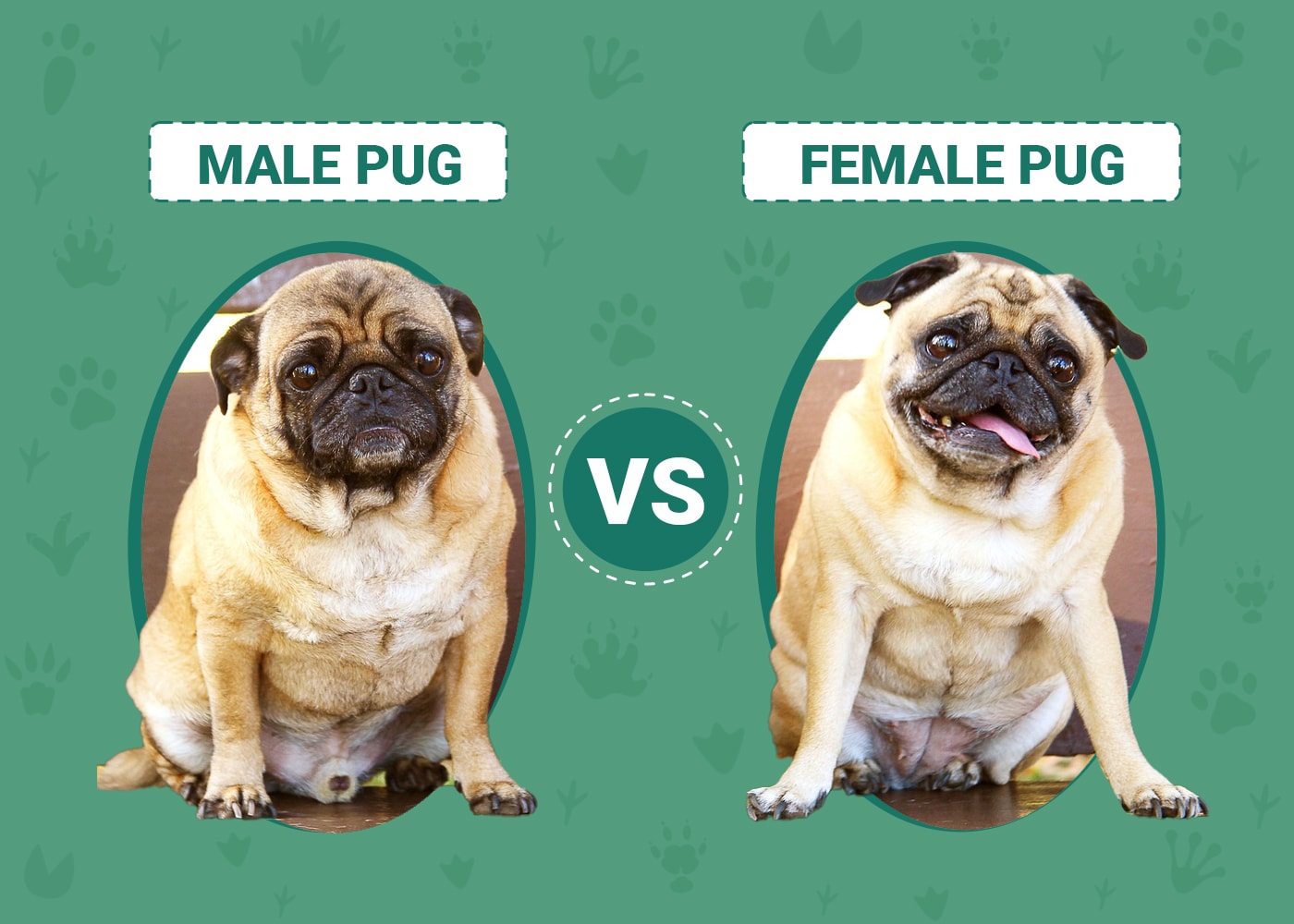
Pugs are adored worldwide for their endearingly quirky looks and bigger-than-life personalities stuffed into compact, cuddly bodies. These ancient Chinese bred dogs have soared in popularity as companion animals. When adding a pug to your family, one major decision is whether to choose a male or female. While all pugs share breed traits, there are some fascinating differences between the sexes.
Pug Breed Overview
Pugs are a toy breed, standing 10-13 inches tall and weighing 14-18 pounds on average. They have a distinct appearance with square, cobby bodies, large round heads with pronounced wrinkles, dark bulging eyes, and flat snub noses. Their fine, glossy coats come in fawn or black and shed profusely.
Bred as companion dogs for Chinese nobility as far back as 400 B.C., pugs packed a lot of personality into their small bodies. This earned them the Latin motto "multum in parvo," meaning "a lot in a little." Pugs are characterized as playful, mischievous, stubborn, eager to please, and craving human affection. They can be challenging to train and prone to obesity.
Physical Differences Between Male and Female Pugs
While males and females both follow breed standards, there are some physical nuances to each sex:
Size and Build
Male pugs tend to be larger and more muscular than their female counterparts. According to the American Kennel Club (AKC), the ideal height for male pugs is 12-14 inches compared to 10-12 inches for females. Male pugs typically weigh 15-20 pounds when fully grown, while females average 13-18 pounds.
However, there is crossover between the sexes. Some male pugs are smaller and more fine-boned, while some females grow quite large and stocky. Much depends on the parents and the specific breeding line.
Data from a 2015 study of over 1,000 pugs provides a more detailed breakdown of size ranges:
| Sex | Height Range | Average Height | Weight Range | Average Weight |
|---|---|---|---|---|
| Male | 9.8-15.7 in | 12.2 in | 6.6-35.3 lbs | 18.7 lbs |
| Female | 8.7-14.2 in | 11.4 in | 7.7-33.1 lbs | 16.1 lbs |
As you can see, while males trend larger on average, there is significant overlap between the sexes. Reputable breeders aim to produce pugs that conform to the breed standard in size, proportion, and features, regardless of sex.
Head and Face
Male pugs often have larger, broader heads compared to females. They may have more prominent wrinkles and thicker, looser skin around the face and neck. Females tend to have slightly more refined, delicate features.
However, it takes a trained eye to spot these subtle differences. Pet owners are unlikely to notice without comparing male and female pugs side by side.
Coat Texture
Both male and female pugs have short, smooth, glossy coats that shed heavily year-round. However, some owners report that their male pugs have slightly coarser, thicker fur compared to the silkier coats of females.
This difference is more pronounced in intact pugs. Hormones cause males to develop a thicker, oilier coat, while spayed females often have softer fur. But in general, coat care is similar for both sexes.
Personality Profiles
Temperament is one area where male and female pugs tend to diverge. While each dog is an individual, some general trends emerge between the sexes.
Male Pug Personalities
Male pugs are often described as being perpetually puppy-like – goofy, playful, inquisitive, and brimming with energy. They retain a youthful zest for life well into their senior years. Male pugs are bold and outgoing, quick to approach new people and dogs with friendly gusto.
This confidence can veer into stubbornness as male pugs are prone to selective hearing when it suits them. They need consistent, positive training from a young age to learn manners and self-control. Even then, the mischievous streak of a male pug is hard to suppress completely.
Male pugs crave being the center of attention and are demonstrative in their affection. They are unabashedly cuddly and thrive on physical touch. A male pug will happily spend all day snuggled up to you on the couch or acting as your shadow from room to room.
Intact male pugs may exhibit hormonally-charged behaviors like urine marking, roaming to seek out females, humping objects or other dogs, and aggression toward rival males. Neutering greatly reduces these issues in most dogs. If you do not plan to breed your male pug, talk to your vet about the ideal age for neutering.
Female Pug Personalities
Female pugs are generally calmer and more reserved than their male counterparts. They mature faster both physically and mentally, developing an almost zen-like composure at a young age. Female pugs are cautious around strangers and take time to size up new people or animals before deciding whether to dole out affection.
Once a female pug bonds with you, however, she will be your fiercely devoted companion for life. Female pugs are tuned in to their owners‘ routines and emotions. While they enjoy play and cuddles, they are generally satisfied to sit quietly by your side.
Female pugs can be territorial and make excellent watchdogs. They will bark to alert you of potential threats and are naturally protective of their families. Early and extensive socialization is important to build confidence.
The sensitive nature of female pugs means they do not respond well to harsh training methods. They become shutdown and mistrusting if treated unfairly. But their intelligence and desire to please owners means they typically excel in positive reinforcement training.
Health and Care
All pugs are prone to certain health issues related to their brachycephalic (flat-faced) physiology and stout builds. According to pug health surveys, common problems include:
- Brachycephalic airway syndrome (elongated soft palate, stenotic nares, collapsed trachea)
- Eye issues like corneal ulcers, proptosis, and pigmentary keratitis
- Skin fold dermatitis
- Orthopedic conditions like hip dysplasia, patellar luxation, and intervertebral disc disease
- Obesity
Responsible breeding and preventative care can reduce risks, but owners should be prepared to manage these issues if they arise.
There are also notable sex-specific health concerns:
Female Pug Health
Intact female pugs have a high risk of pyometra (uterine infection), which can be fatal without emergency surgery. According to one study, around 25% of intact females will develop pyometra by age 10. Mammary tumors are also common in unspayed females, with a 50% chance of malignancy.
Spaying a female pug before her first heat cycle (usually around 6 months old) nearly eliminates the risk of pyometra and mammary cancer. There are no proven benefits to allowing a female to have a litter before spaying.
Male Pug Health
Unneutered male pugs are at risk for prostate disease and testicular cancer as they age. Benign prostatic hypertrophy affects around 80% of intact males over age 5. Neutering prevents these problems.
Some studies suggest male pugs are slightly more prone to orthopedic issues like hip dysplasia and cruciate ligament tears. This may be due to their rowdier play styles putting more strain on joints over time. Keeping male pugs lean and using ramps or stairs to get on furniture can help.
Choosing Your Pug
With their charms and challenges, both male and female pugs make wonderful companions for the right owners. Consider your lifestyle and preferences when deciding which sex is the best fit.
Busy households with children may enjoy the exuberant antics of a male pug always ready to play. But a female pug‘s calm demeanor could be ideal for a quieter home. If you already have pets, a dog of the opposite sex can reduce conflicts, especially with intact males.
When looking for a pug puppy, seek a reputable breeder who health tests breeding stock for issues like hip dysplasia, eye disorders, and respiratory problems. Spend time with puppies of both sexes to get a feel for personalities. While this article describes general sex differences, each pug is unique.
Bringing Your Pug Home
Whichever sex you choose, prepare for your pug‘s arrival by puppy-proofing your home, gathering supplies, and deciding on house rules. Sign up for a positive puppy kindergarten class and start socialization immediately.
Be consistent with training, as both male and female pugs can be headstrong. Keep sessions short and fun, using high-value treats and praise. Never punish a pug harshly as they are soft, sensitive dogs.
Although small, pugs need daily walks and playtime to stay fit. Start a dental care routine early as the breed is prone to tooth and gum issues. Brush your pug‘s coat regularly and keep skin folds clean and dry to prevent infections. Schedule veterinary check-ups every 6-12 months.
Conclusion
No matter which sex pug wins your heart, you are in for a lifetime of laughter, love, and steadfast companionship. By understanding the joys and challenges of each sex, you can choose the pug that will thrive in your home.
Armed with knowledge and realistic expectations, you are well on your way to forging an unbreakable bond with your new wrinkly friend. The journey will have ups and downs, but the affection and amusement a pug provides makes every moment worthwhile.