Labrador vs Pitbull: A Comprehensive Comparison of America‘s Favorite Breeds

When it comes to popular dog breeds in the United States, Labrador Retrievers and Pitbulls often top the list. Both are beloved for their loyal, affectionate nature and make wonderful companion animals. However, there are some notable differences between these two breeds in terms of appearance, temperament, and care requirements that prospective owners should be aware of. In this in-depth comparison, we‘ll take a closer look at the key characteristics of Labradors and Pitbulls to help you determine which breed might be the best fit for your lifestyle.
Breed Overview and History
Labrador Retrievers
The Labrador Retriever originated in Newfoundland, Canada in the early 1800s. They were bred to help fishermen retrieve nets, fish, and other gear from the icy waters of the North Atlantic. Labs were later brought to England, where they were refined into the breed we know today. They quickly gained popularity as skilled hunting companions and family pets due to their friendly, eager-to-please personalities.
Today, Labrador Retrievers consistently rank as the most popular dog breed in the United States according to AKC registration statistics. They are prized for their intelligence, trainability, and adaptability, excelling as service dogs, therapy animals, and search-and-rescue dogs. Labs also make wonderful family pets and are known for their gentle, patient nature with children.
Pitbulls
The term "Pitbull" actually encompasses several related breeds, including the American Pit Bull Terrier, American Staffordshire Terrier, Staffordshire Bull Terrier, and American Bully. These breeds descend from dogs originally bred in England for the cruel sport of bull-baiting. When bull-baiting was outlawed in 1835, Pitbulls were repurposed for dog fighting, which unfortunately led to selective breeding for aggression towards other dogs.
As dog fighting declined in popularity, Pitbulls increasingly became valued as loyal family companions and working dogs. Many served heroically in World Wars I and II as message carriers and mascots. However, the breed‘s fighting history and powerful appearance has also resulted in widespread stigma and breed-specific legislation that unfairly targets Pitbulls.
Physical Characteristics and Appearance
One of the most obvious differences between Labradors and Pitbulls is their physical appearance. Labs are medium-to-large dogs with a sturdy, athletic build. They typically weigh 55-80 pounds and stand 21.5-24.5 inches tall at the shoulder. Labs have a short, dense double coat that comes in three colors: black, yellow, and chocolate. Their head is broad with a wide, deep muzzle, and their ears hang down close to their head.
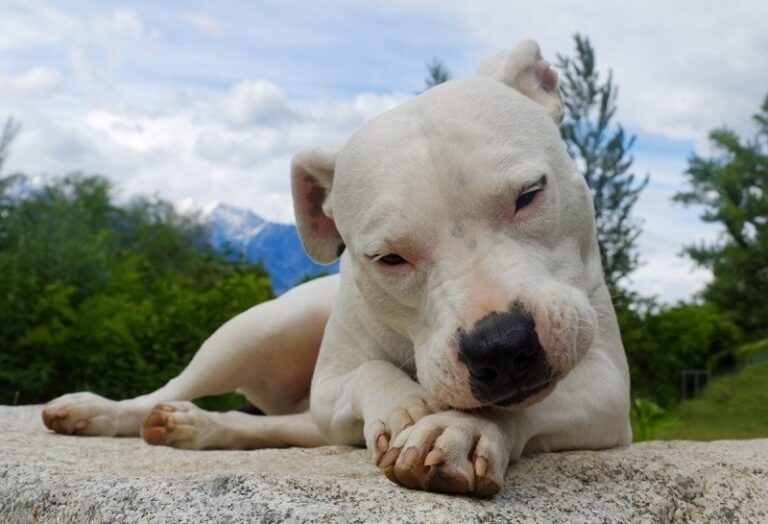
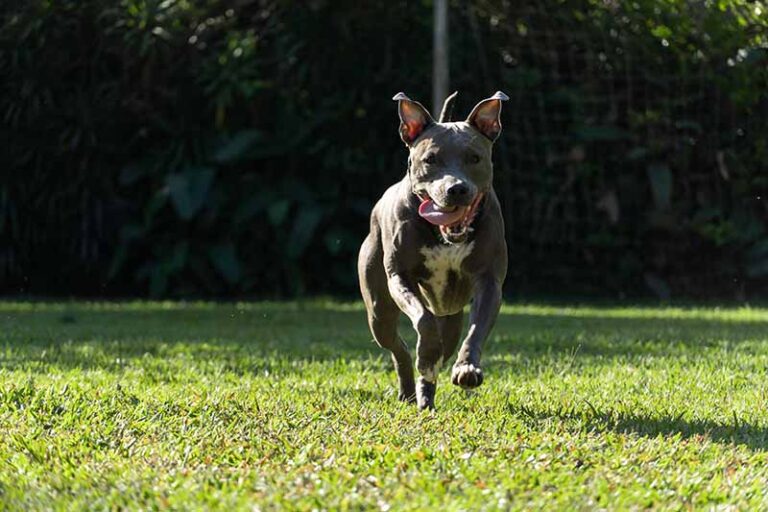
Pitbulls, on the other hand, have a more muscular, compact build with a deep chest and powerful hindquarters. They range in size from 30-90 pounds and 17-21 inches tall, depending on the specific breed. Pitbulls have a short, smooth coat that comes in a variety of colors and patterns, including brindle, fawn, and blue. Their head is large and blocky with a wide, square muzzle, and their ears are often cropped into a pointed shape (though this practice is falling out of favor).
Temperament and Personality Traits
Both Labradors and Pitbulls are known for their friendly, people-oriented personalities. They are affectionate with family and enjoy being included in daily activities. However, there are some key differences in their temperaments to consider:
Labradors are famously outgoing and eager to please. They get along well with people of all ages, including children, and typically do well with other dogs and pets when properly socialized. Labs have a relatively low prey drive and are not known for being territorial or aggressive. Their easy-going, adaptable nature makes them a good fit for many different households.
Pitbulls, while also very affectionate with people, tend to be more protective and can have a higher prey drive due to their breeding history. They may view smaller pets like cats as prey if not raised with them from puppyhood. Pitbulls often have a strong desire to please their owners but can be stubborn at times and require a confident, consistent approach to training. They can also be selective about their dog friends and may show some same-sex aggression, particularly among unneutered males.
With both breeds, it‘s important to note that a dog‘s individual personality is significantly influenced by socialization, training, and environment – not just genetics. A well-bred, properly raised Pitbull can be just as sweet and trustworthy as a Labrador, while an unsocialized Lab may be anxious or reactive. Responsible owners should commit to ongoing training and socialization for any dog, but especially for powerful breeds like Pitbulls who are often stigmatized.
Trainability and Exercise Requirements
As mentioned, both Labradors and Pitbulls are intelligent, trainable breeds that thrive on human interaction. They typically respond well to reward-based training methods and enjoy learning new skills. However, Labradors are often considered slightly "easier" to train due to their extreme food motivation and desire to please. They are popular choices for first-time dog owners and excel in obedience, agility, and service work.
Pitbull breeds may require a bit more patience and skill to train, as they can be strong-willed at times. Owners need to establish clear rules and boundaries from puppyhood and remain consistent with training throughout the dog‘s life. Pitbulls have excelled in sports like weight-pulling and agility, and they also make loyal companions and therapy dogs. Due to their strength and exuberant nature, Pitbulls may not be the best choice for novice owners who are not prepared to handle a powerful, energetic dog.
Both Labradors and Pitbulls have relatively high exercise needs and require daily walks, playtime, and mental stimulation to stay happy and well-behaved. A bored, under-exercised dog of either breed may resort to destructive chewing or other problem behaviors. Labs, with their sporting dog heritage, especially need plenty of opportunities to run, play fetch, and burn off energy. Many enjoy swimming and hiking with their owners.
Pitbulls also need ample daily exercise but tend to have a bit more endurance than Labs. They may enjoy activities like spring pole workouts, flirt pole play, and long jogs or hikes. With both breeds, puppies should not be over-exercised to avoid damaging their growing joints. Consult with your vet to determine the appropriate amount of activity for your individual dog.
Grooming and Care
Labradors and Pitbulls have relatively low-maintenance grooming needs compared to some other breeds. Both have short, smooth coats that shed moderately year-round (Labradors may "blow coat" twice a year as well). Weekly brushing with a slicker brush or hound glove can help remove loose fur and keep the coat shiny.
Both breeds should be bathed as needed, usually every 4-8 weeks unless they get into something messy. Over-bathing can strip the coat of its natural oils and lead to skin irritation. Nails should be trimmed regularly, and ears checked weekly for signs of infection. Dental care is also important for both breeds, as they can be prone to tartar buildup and gum disease.
One important difference to note is that Pitbulls may be more prone to skin allergies and sensitivities than Labradors. They may benefit from a grain-free or limited-ingredient diet if allergies are suspected. Consult with your veterinarian for guidance on the best diet and care practices for your individual dog.
Health Concerns and Lifespan
Like all purebred dogs, both Labradors and Pitbulls are prone to certain genetic health issues. Responsible breeders screen their stock for these conditions to help produce the healthiest possible puppies.
Some health concerns seen in Labradors include hip and elbow dysplasia, eye disorders like progressive retinal atrophy, and exercise-induced collapse. They may also be prone to obesity if overfed, which can exacerbate joint problems. The average lifespan for a Labrador is 10-12 years.
Pitbulls may be prone to hip dysplasia, heart disease, allergies, and thyroid dysfunction. They can also be sensitive to heat due to their short muzzle and muscular build. Responsible Pitbull ownership includes using a secure harness instead of a neck collar to avoid damaging the trachea. The average lifespan for Pitbull breeds is 10-15 years.
Legal Considerations
It‘s important for prospective Pitbull owners to be aware of breed-specific legislation (BSL) in their area, as some cities and countries have restrictions or bans on Pitbull ownership. These laws are highly controversial and not supported by major animal welfare organizations, who argue that they are ineffective and unfairly discriminatory. The American Veterinary Medical Association opposes BSL, stating that it is an "inappropriate and ineffective approach to protecting public safety."
However, the reality is that Pitbull owners may face housing and insurance challenges due to these laws and the breed‘s reputation. It‘s essential to thoroughly research any local regulations and restrictions before acquiring a Pitbull, and to be prepared to invest in additional liability coverage if needed. Pitbull owners must also be extra vigilant about keeping their dog securely contained and providing proper socialization and training to avoid any incidents that could further stigmatize the breed.
Which Breed is Right For You?
Choosing between a Labrador and a Pitbull ultimately depends on your individual lifestyle, experience level, and preferences. Both breeds can make wonderful, devoted companions in the right home.
Labradors may be the better choice for novice owners, families with young children, and those seeking a versatile, low-maintenance pet. Their friendly, outgoing nature and trainability make them a great fit for active households and those interested in dog sports or service work.
Pitbulls can also be loving, loyal family dogs, but they may require a more experienced owner who is committed to ongoing training and socialization. Pitbulls are better suited to adult-only homes or families with older children who understand how to interact with dogs appropriately. Prospective Pitbull owners should carefully consider the breed‘s strength, energy level, and potential legal restrictions in their area.
No matter which breed you choose, the most important thing is to do your research, select a responsible breeder or rescue organization, and commit to being a dedicated, informed owner. With proper care, training, and love, both Labradors and Pitbulls can make exceptional canine companions.