Majorca Mastiff Dog Breed Guide: Info, Pictures, Care & More!
The Majestic Majorca Mastiff: A Comprehensive Guide to This Rare and Remarkable Breed
Are you looking for a loyal, protective, and genuinely awe-inspiring canine companion? Look no further than the Majorca Mastiff! Also known as the Perro de Presa Mallorquin or Ca de Bou, this rare breed has a fascinating history and a lot to offer the right owner. In this comprehensive guide, we‘ll explore the Majorca Mastiff from nose to tail, so you can decide if this majestic breed is the perfect match for you.
History of the Majorca Mastiff: From Near Extinction to Preservation
The Majorca Mastiff‘s roots trace back to the Spanish island of Majorca, where they were originally bred for dog fighting, guarding, and as catch dogs for wild pigs and cattle. Sadly, the breed almost disappeared in the early 20th century due to the World Wars, economic hardships, and the banning of dogfighting in Spain in the 1940s.
It wasn‘t until the 1980s that dedicated breeders began efforts to revive the Majorca Mastiff. Today, the breed is still quite rare, but preservation efforts continue to help their numbers grow. It‘s believed that during the revival process, other breeds like the English Bulldog, Spanish Mastiff, and Ca de Bestiar were crossed with the remaining Majorca Mastiffs to expand the gene pool.
Physical Characteristics: A Mighty and Muscular Mastiff
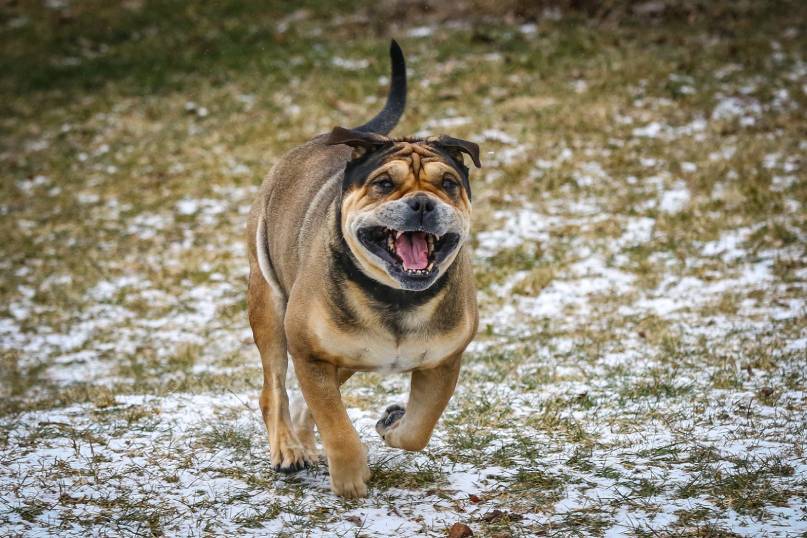
The Majorca Mastiff is an impressive sight to behold. Males stand 22-24 inches tall at the shoulder and weigh 84-110 pounds, while females are 20-22 inches tall and weigh 66-88 pounds. They have a powerful, muscular build with a wide chest and a massive, square head.
Their short, sleek coat comes in shades of fawn, brindle, and black, sometimes with a black mask. The breed‘s distinctive features include small, high-set ears, a slightly wrinkled forehead, and a serious, noble expression. With their athletic prowess and imposing presence, it‘s clear the Majorca Mastiff was built for hard work.
Temperament: Courageous, Calm, and Completely Devoted
The Majorca Mastiff has the steady, fearless temperament you‘d expect from a guarding breed. Properly socialized Majorca Mastiffs are calm, even-tempered dogs who are devoted to their families. They tend to be aloof with strangers, but are rarely aggressive without provocation.
While the breed can get along well with children and other pets when raised with them, their size and guarding instincts require careful supervision. Majorca Mastiffs are not ideal for first-time dog owners, as they need confident, consistent leadership to thrive. With the right training and socialization, however, they can be wonderful companions for experienced, active households.
Exercise Needs: Keeping Your Mighty Mastiff Moving
Despite their laid-back demeanor, Majorca Mastiffs need plenty of daily exercise to stay healthy and happy. At minimum, expect to provide an hour of moderate activity like walking or jogging, plus an additional half-hour of playtime. These dogs love having a job to do, so consider canine sports like weight pulling or tracking that challenge them mentally and physically.
Training: Firm, Fair Leadership is Key
Training a Majorca Mastiff requires patience, consistency, and a firm hand. This independent, intelligent breed can be somewhat strong-willed, so you‘ll need to establish yourself as a calm, capable leader from day one. Positive reinforcement methods work best, as harsh corrections can damage your bond and bring out the breed‘s stubborn side.
Socialization is also crucial for Majorca Mastiff puppies to help them become confident, well-mannered adults. Introduce them to a variety of people, places, and situations from an early age, and continue reinforcing good behavior throughout their lives.
Grooming and Care: Keeping Your Mastiff Looking Marvelous
The Majorca Mastiff‘s short coat is relatively low-maintenance, requiring just weekly brushing and the occasional bath to stay in top shape. However, their wrinkles do need regular cleaning to prevent skin irritation and infection. Wipe out the folds with a damp cloth a few times a week, and dry them thoroughly to avoid moisture buildup.
Other grooming necessities include dental care, nail trims, and ear cleaning as needed. It‘s a good idea to start handling your Mastiff puppy from head to toe early on so they learn to enjoy the pampering process!
Potential Health Issues: Concerns for Majorca Mastiff Owners
Like many large and giant breeds, Majorca Mastiffs can be prone to certain health issues. Some potential problems to watch for include:
- Hip and elbow dysplasia
- Eye conditions like cherry eye and progressive retinal atrophy
- Skin fold dermatitis
- Bloat (gastric torsion)
- Heart disease like cardiomyopathy
- Certain cancers such as osteosarcoma and lymphoma
While not all Majorca Mastiffs will develop these issues, it‘s important for prospective owners to be aware of the risks. Choose a responsible breeder who health tests their stock, and keep up with routine vet care to catch any problems early. With good nutrition, regular exercise, and attentive care, a Majorca Mastiff can live 10-12 years.
Finding a Majorca Mastiff: Breeder and Puppy Basics
As a rare breed, Majorca Mastiff puppies can be difficult to find, especially in the United States. Expect to be put on a waiting list, and be prepared to travel to meet breeders and pick up your pup.
When looking for a Majorca Mastiff breeder, do your research to find one who is knowledgeable about the breed and performs health testing on their breeding stock. Ask for references, proof of health clearances, and a chance to meet the parent dogs if possible. A reputable breeder will be happy to answer your questions and ensure their puppies are going to responsible homes.
Majorca Mastiff puppies are adorable, but remember that they will grow into very large, powerful dogs. Be honest with yourself about whether you have the time, space, and experience to provide the training, socialization, and care they need to thrive. If you do, you‘ll be rewarded with a loyal, loving companion for life.
Fun Facts About the Marvelous Majorca Mastiff
Still curious about this remarkable breed? Here are a few fun facts to round out your Majorca Mastiff knowledge:
-
The Majorca Mastiff‘s name in the Catalan language, Ca de Bou, literally translates to "bull dog." This reflects their original purpose of working with cattle and fighting in bull baiting rings.
-
Majorca Mastiffs are sometimes called the Perro de Presa Mallorquin, meaning "Majorcan Catch Dog." This is a nod to their history of hunting and catching wild pigs on the island of Majorca.
-
While the Majorca Mastiff is rare, they have some more well-known mastiff cousins, like the Cane Corso and Dogue de Bordeaux. They also share some similarities with other Spanish breeds like the Alano Español and Spanish Mastiff.
-
The Majorca Mastiff was recognized by the FCI (Fédération Cynologique Internationale) in 1964, but is not yet recognized by the American Kennel Club. They are, however, part of the AKC‘s Foundation Stock Service, which allows rare breeds to continue developing in the United States.
-
In 2018, a Majorca Mastiff named Alma made headlines when she gave birth to a litter of 19 puppies in the UK. While not all of the puppies survived, it was still an impressively large litter for the breed.
Conclusion
The Majorca Mastiff may not be a household name, but this magnificent breed has so much to offer for the right household. With their powerful presence, devoted nature, and impressive history, Majorca Mastiffs are truly a unique and rewarding companion.
If you‘re considering adding a Majorca Mastiff to your family, remember that they require an experienced, dedicated owner who can provide firm leadership, consistent training, and plenty of exercise and enrichment. In return, you‘ll have an unwaveringly loyal friend who will delight you with their courageous spirit and gentle soul.
While the breed‘s rarity can make finding a Majorca Mastiff a challenge, the effort is well worth it for those who are ready to open their hearts and homes to this extraordinary canine companion. With ongoing preservation efforts and increased breed awareness, we can hope to see more of these marvelous mastiffs in the years to come!