
Malshi (Maltese & Shih Tzu Mix): Breed Guide, Info, Pictures, Care & More!

The Magnificent Malshi: Your Guide to Malshi Puppies and Dogs
Introduction
Are you looking for a small, affectionate, and utterly adorable companion dog? Look no further than the magnificent Malshi! As a cross between the Maltese and Shih Tzu breeds, Malshis (also known as Malshi Tzus or Mal-Shis) combine some of the best traits of both parent breeds in a compact, fluffy package. And when it comes to cuteness, Malshi puppies are practically unrivaled.
But there‘s much more to this designer dog breed than just a endearing appearance. Malshis are known for their loving, loyal, and lively personalities that make them wonderful companions for all types of households and families. If you‘re thinking of adding a Malshi puppy to your life, read on to learn everything you need to know about these delightful little dogs.
History of the Malshi
The Malshi is a relatively new hybrid dog breed developed in the United States, rising in popularity since the 1990s. As a "designer dog," Malshis are the intentional cross between two purebred dogs – in this case, the Maltese and Shih Tzu breeds.
Both Maltese and Shih Tzu have long and noble histories as prized companion dogs. Maltese are an ancient breed, believed to have originated in Malta over 2000 years ago. These small white lapdogs were favored by royals and nobility throughout the ancient world. Shih Tzu also have a royal pedigree, developed centuries ago as a companion dog for Chinese emperors and later popularized in the West in the 20th century.
As a hybrid of these two esteemed breeds, the Malshi brings together the gentle, affectionate nature of the Maltese with the lively, outgoing personality of the Shih Tzu. However, since the Malshi isn‘t a purebred dog, puppies can inherit a mix of traits and there is some variation between individual dogs. Overall though, most Malshi inherit a petite build, round expressive eyes, and soft, silky coat from their parent breeds.
Malshi Puppy Development
Newborn Malshi puppies are tiny bundles of fluff, but they grow and change rapidly in their first year. Here‘s a quick guide to Malshi puppy development:
Birth to 2 weeks: Malshi puppies are born blind and deaf, fully reliant on their mother. They sleep around 90% of the time.
2-4 weeks: Puppies open their eyes and ears and start exploring their surroundings. Baby teeth start emerging.
4-8 weeks: Puppies are weaned off their mother‘s milk and start eating solid food. They learn critical socialization skills with their littermates. Most breeders allow puppies to go to their new homes around 8 weeks old.
2-4 months: An active growth stage where puppies learn about the world. This is the prime window for socialization and starting potty training and obedience training. Puppies will need multiple small meals and plenty of playtime and naps.
4-6 months: Puppies reach about half their adult size. They start losing baby teeth and adult teeth emerge, which can lead to increase chewing. Some Malshi may start adolescent rebelliousness during this stage.
6-12 months: Puppies continue maturing physically, mentally and emotionally. Most will reach their full size around their first birthday. Spaying/neutering is recommended if not already done, and adult grooming routines should be established.
Malshi Puppy Temperament
Most Malshi puppies are affectionate, intelligent, and brimming with energy. They bond closely with their owners and love being the center of attention. Malshi puppies are generally social and outgoing, and eager to meet new people and dogs. With their gentle disposition and petite size, they can get along well with children that know how to interact appropriately with small dogs.
However, Malshis can also have a bit of a stubborn streak and may try to test boundaries, especially in adolescence. Consistent and positive training is key to preventing unwanted behaviors and small dog syndrome. Malshis are bright and take well to reward-based training methods. Just keep sessions short and fun for wiggly puppies!
With their people-pleasing personalities, Malshis can be prone to separation anxiety if left alone too long. Puppies should be gradually acclimated to short absences and alone time. Most do best in homes where someone is around for most of the day.
Grooming Your Malshi Puppy
One look at a Malshi puppy and it‘s clear that grooming will be an important part of caring for this long-haired breed! Malshi puppies have a single coat that is soft, silky, and prone to tangles if not brushed regularly. Expect to brush your Malshi puppy at least 2-3 times a week, using a pin brush or comb to gently detangle any knots. Baths every 3-4 weeks will keep your puppy‘s coat clean and healthy.
In addition to coat care, it‘s important to get your Malshi puppy used to having their nails trimmed, ears cleaned, and teeth brushed. Malshi are prone to dental issues, so establishing an at-home dental care routine and annual cleanings at the vet is essential. Tear stains are also common under the eyes and should be gently wiped away daily to prevent staining of the fur.
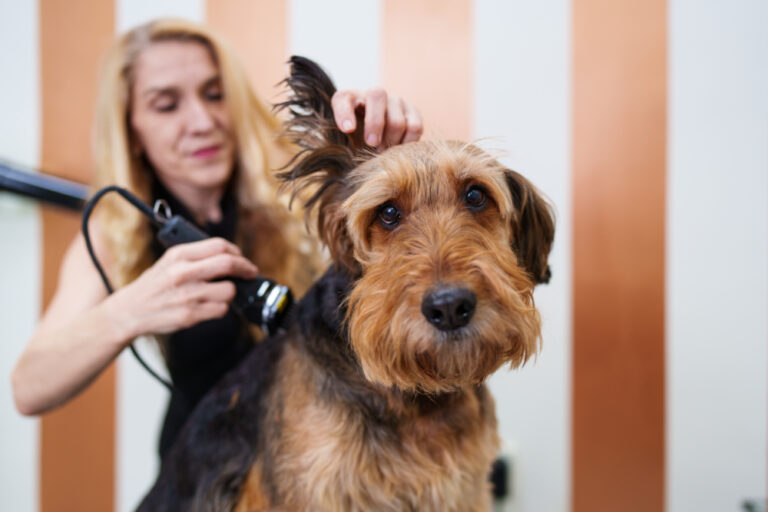
While some owners may keep their adult Malshi in a short puppy cut for easier maintenance, it‘s still important to get puppies used to grooming from a young age so they learn to enjoy the process. Many owners take their Malshi to the groomer every 4-8 weeks for a bath, haircut, and nail trim.
Feeding Your Malshi Puppy
Malshi puppies have small stomachs and fast metabolisms, so they need a high-quality puppy food divided into multiple small meals throughout the day. Puppies under 3 months should eat 4 meals a day, then transition to 3 meals until 6 months of age. Most Malshis can transition to 2 meals a day around 6 months.
Because of their small size, toy breed puppy formulas are a good choice for Malshi puppies. Look for a food that has a named protein source (like chicken or lamb) as the first ingredient and avoid artificial colors, flavors, or preservatives. Dry kibble, wet food, or a combination of the two are all acceptable.
As with all dogs, it‘s important to monitor your Malshi puppy‘s weight and body condition. Small breeds like the Malshi are prone to obesity, which can lead to health issues down the road. Consult with your vet about the proper amount to feed and adjust as needed to maintain a healthy weight. Don‘t forget to account for any training treats in your pup‘s daily calorie allotment.
Exercising Your Malshi Puppy
Malshi puppies are lively and energetic, but their small size means they don‘t need hours of exercise. Aim for about 30-60 minutes of activity a day, broken up into several shorter play sessions and walks. Until fully vaccinated, play should take place indoors or in a safely enclosed outdoor area.
In addition to physical exercise, be sure to provide plenty of mental stimulation for your curious Malshi puppy. Puzzle toys, games of hide-and-seek, and trick training are all great ways to engage their intelligent minds. Just remember that puppies tire easily and need lots of rest and naps in between play sessions!
As your Malshi puppy grows into an adult dog, they will likely remain playful and energetic. Regular walks and playtime will help keep them fit and prevent boredom. Most Malshi do well in apartments or small homes and don‘t require a yard as long as they get their daily exercise.
Malshi Health
Although generally a healthy breed with a lifespan of 12-14 years, Malshi can be prone to certain health issues. Because of their small size, they are at risk for dental problems like tooth decay and gum disease. Regular teeth brushing and annual dental cleanings can help prevent these issues.
Other potential health concerns in the breed include luxating patellas (dislocating kneecaps), tracheal collapse, heart murmurs, eye problems like cherry eye or corneal ulcers, and respiratory issues like reverse sneezing. Reputable breeders will screen their breeding stock for genetic conditions and only breed dogs with sound health and temperaments.
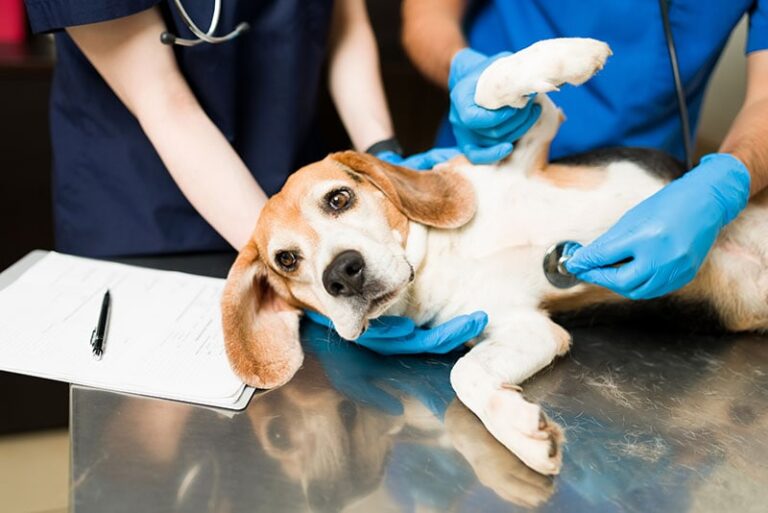
As with all dogs, Malshis need regular check-ups and preventative care like flea/tick treatments, deworming, and vaccinations. Because of their long hair, they may also be prone to ear infections or skin irritation if not groomed properly. With proper care, nutrition, and regular vet visits, your Malshi puppy can grow into a healthy adult companion.
Finding a Malshi Puppy
If you‘ve decided that a Malshi is the right breed for you, it‘s important to find a reputable breeder or rescue organization. Look for a breeder who performs health tests on their breeding dogs, socializes their puppies, and is willing to answer all your questions. Avoid pet stores or online ads, as these puppies may come from puppy mills.
The average price for a Malshi puppy is $500 to $1,500, depending on the breeder and location. In addition to the initial cost, be sure to budget for supplies, vet care, food, grooming, and other expenses that come with dog ownership.
If you would prefer to adopt, check with local animal shelters and rescue organizations. Because Malshi is a popular hybrid breed, you may be able to find Malshi mixes or even purebred adults looking for a home. Adopting an older dog can be a great choice if you don‘t have the time or energy for a puppy.
Conclusion
Malshi puppies are irresistibly cute, intelligent, and full of love and affection. With their outgoing personalities and petite size, they make wonderful companions for many types of households. While they do require regular grooming and training, their delightful antics and devoted loyalty more than make up for any extra effort.
If you‘re looking for a small dog with a big heart, the magnificent Malshi may be the breed for you. With proper care, socialization, and love, your Malshi puppy will grow into a cherished member of the family for many years to come.

:%20Breed%20Guide,%20Info,%20Pictures,%20Care%20&%20More!)