The Loyal and Lively German Pinscher: A Comprehensive Breed Guide


Are you looking for a smart, spirited, medium-sized dog with a sleek coat and elegant appearance? Look no further than the German Pinscher! This historic German breed is a terrific companion for the right person or family.
But before you fall head over heels for these handsome dogs, it‘s important to understand their personality, care requirements, and ideal living situation. That way, you can be sure a German Pinscher is the right fit for your lifestyle. In this comprehensive guide, we‘ll cover everything you need to know about this intriguing breed.
Contents
- Breed Overview
- History and Origin
- Personality and Temperament
- Living Needs and Family Life
- Exercise and Training Requirements
- Grooming and Basic Care
- Common Health Issues
- Fun Facts
- Bringing Home a German Pinscher
- Final Thoughts
German Pinscher Breed Overview
Let‘s start with the basics. Here‘s a quick snapshot of the German Pinscher breed:
Vital Stats:
- Height: 17-20 inches
- Weight: 25-45 pounds
- Lifespan: 12-14 years
Physical Characteristics:
- Sleek, short coat
- Colors: black, fawn, red, blue
- Compact, muscular build
- Expressive face with dark eyes and erect ears
AKC Group: Working Group
German Pinschers are sturdy, agile dogs built for work and activity. Males stand up to 20 inches tall and females are a bit smaller. They have a smooth, tight-fitting coat in several colors and expressive faces that reflect their alert, intelligent nature. Overall, they give off an air of self-assured elegance.
One look at a German Pinscher, and you can tell these dogs were bred to do an honest day‘s work. In fact, that sums up a lot about their origin and personality as well…
History of the German Pinscher
The German Pinscher is one of Germany‘s oldest dog breeds. They were developed in the 1800s as multi-talented working farm dogs. Their duties included ratting, herding livestock, guarding the property, and serving as watchful companions.
Interestingly, German Pinschers are believed to be the ancestors of other well-known "pinscher" breeds. According to many canine historians, both Doberman Pinschers and Miniature Pinschers were created by crossing German Pinschers with other breeds. So in a sense, German Pinschers are the "original pinschers" – the granddaddies of these popular modern breeds.
In fact, the very name "pinscher" points to their prowess as vermin hunters. It comes from the German word meaning "to bite" or "to nip" – exactly what they did to pesky intruders in the stables and barns!
During the early 20th century and the World Wars, German Pinschers nearly went extinct. If it wasn‘t for the efforts of dedicated breeders like Werner Jung, who worked diligently to revive them starting in the 1950s, they may have disappeared entirely.
Today, German Pinschers remain fairly rare, especially outside their homeland. But those who know and love the breed appreciate their unique working history and how it has influenced their strong, lively personality.
German Pinscher Personality and Temperament
The German Pinscher is often described as a "big dog in a medium-sized body." They have the self-assured, courageous personality of a larger working breed, just in a more compact size.
Some key German Pinscher personality traits include:
-
Confidence. German Pinschers are bold, self-assured dogs who carry themselves with poise. They seem to be naturally fearless and aren‘t easily intimidated.
-
Smarts. This is a brainy working breed with an uncanny ability to learn and problem-solve. They need their minds to be engaged frequently. Perfect for people who appreciate a smart, independent-thinking dog.
-
Loyalty. True to their heritage as one-family farm dogs, German Pinschers tend to bond very closely with their humans. They are affectionate and protective of "their people."
-
Spirit. German Pinschers have energy and spunk for days! They love being active and need plenty of interaction, play, and exercise each day to be content. Not really a lounging breed.
-
Vigilance. Thanks to their background as alert watchdogs, German Pinschers tend to be very tuned in to their environment. They‘ll quickly sound the alarm if anything seems amiss.
-
Intensity. There‘s nothing remotely low-key about a German Pinscher. They do everything – work, play, protect – with great gusto and a sense of purpose. These dogs keep you on your toes!
While some may describe the German Pinscher as stubborn, strong-willed or mischievous at times, fans of the breed say they simply have a mind of their own. They are independent critical thinkers who need firm, consistent leadership to reach their full potential as cherished companions and working partners.
German Pinschers at Home: Living Needs and Family Life
Think a lively, loyal German Pinscher might be the ideal dog for you? Let‘s dive into what these dogs need to thrive as part of a household:
Living Space
Despite their compact size, German Pinschers do best with ample room to romp and play. A home with a securely fenced yard is ideal. While they can adapt to apartment life if given enough exercise, they tend to be too spirited and active to be content in small spaces.
Other Pets
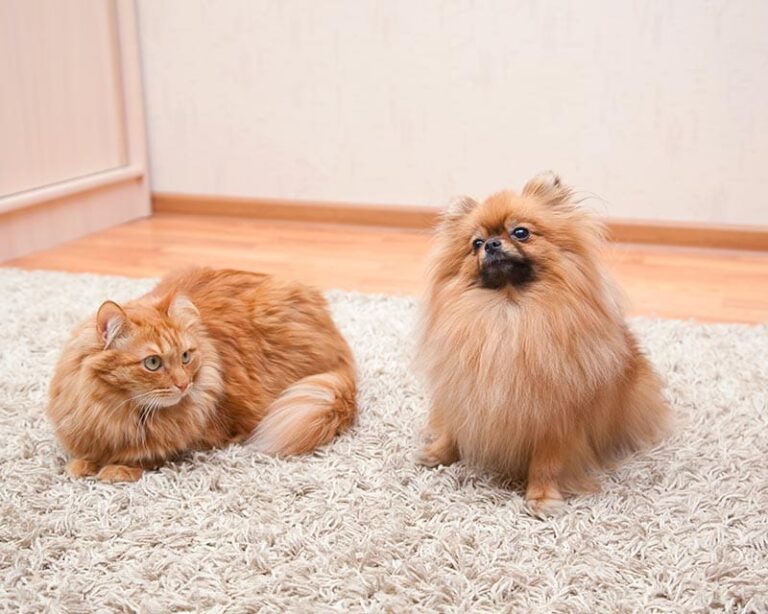
With early socialization and training, German Pinschers usually do fine with other dogs. However, their strong prey drive means they often view smaller pets like cats and rabbits as something to chase. They do best in homes without small pets unless raised with them from puppyhood.
Children
German Pinschers can be terrific playmates for older, respectful children. But they may be too energetic and nippy for very young kids. As with any breed, always teach children how to interact gently and supervise them with dogs.
Alone Time
This breed bonds very closely with family and doesn‘t enjoy spending long days alone. If they don‘t get enough interaction and exercise, they tend to get bored – and a bored German Pinscher is apt to find their own entertainment! If you work long hours or travel frequently, this likely isn‘t the breed for you.
Overall, German Pinschers do best in active households with older kids or adults who are committed to giving them the interaction, structure and exercise they require. Owners should understand and appreciate the breed‘s lively spirit – they are fun-loving, always-on-the-go partners, not placid couch potatoes!
If you can meet their needs and stay a step ahead of their clever minds, German Pinschers make wonderful, entertaining companions who keep you laughing with their playful, confident antics.
Exercising and Training Your German Pinscher
As we‘ve mentioned, German Pinschers are active working dogs who need daily mental and physical stimulation to thrive. Plan to give your dog at least an hour of exercise each day, preferably broken up into a couple sessions.
German Pinschers tend to make excellent hiking, jogging and biking companions. They also usually enjoy dog sports like agility, rally obedience, tracking, and barn hunt that challenge their bodies and minds. Having a job to do, even if it‘s just being your "adventure buddy," can help keep your clever Pinscher content.
Training is an absolute must for this self-assured breed. The good news is that German Pinschers love putting their big brains to work and often excel at learning tricks, complex cues, and obstacle courses. The key is to start early with socialization and puppy training, be firm and consistent, and always use positive reinforcement methods.
Smart breeds like German Pinschers get bored with repetitive drills, so keep training sessions fun and upbeat. Puzzle toys, nose work games, and interactive play also helps provide the mental exercise these brainy dogs need. If you stay one step ahead of your Pinscher and give them a sense of purpose, you‘ll be amazed at how much these intelligent dogs can learn!
German Pinscher Grooming and Health
Compared to many breeds, German Pinschers are a breeze to groom. Their sleek, short coats just need a quick once-over with a brush or hound glove once a week to remove any loose fur and redistribute natural oils. They aren‘t heavy shedders and only need occasional baths when dirty. Easy peasy!
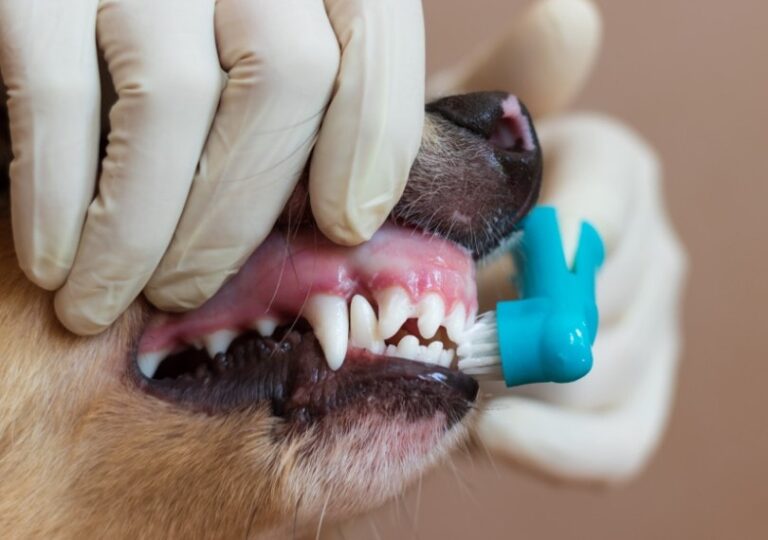
You‘ll also want to trim your Pinscher‘s nails regularly, brush their teeth frequently, and check their ears weekly for any signs of infection. But overall, their grooming needs are pretty simple.
Health-wise, German Pinschers are a relatively sturdy breed. But like all dogs, they can be prone to certain genetic health conditions. Some issues seen in the breed include hip dysplasia, eye disorders, heart problems, and von Willebrand‘s disease (a blood clotting disorder).
Choosing a German Pinscher puppy from a responsible breeder who health tests their dogs can help reduce the risk of inheriting these issues. And of course, keep your Pinscher at a healthy weight, give them regular exercise, and schedule annual vet check-ups to help them stay in tip-top shape.
Fun Facts About German Pinschers
Ready to impress your friends with your knowledge of this special breed? Here are a few fun facts about German Pinschers:
- German Pinschers are sometimes called the "original pinscher" since they pre-date the Dobermans and Min Pins developed from them.
- The very first German Pinscher registered with the American Kennel Club (AKC) in 1930 was named "Billo v Riedekenburg."
- German Pinschers almost went extinct in the 1940s and 50s. A man named Werner Jung is credited with saving them and helping the breed make a comeback.
- In their native Germany, Pinschers were once used to drive cattle to market. That‘s why they‘re known for being excellent "heelers" to this day.
- Believe it or not, German Pinschers are actually considered a quiet breed! They tend to only bark when they have something important to say.
Finding and Choosing a German Pinscher
If you‘ve decided a German Pinscher is the ideal dog for you (congratulations!), you may be wondering how to go about finding one.
Because they are still a relatively rare breed, you likely won‘t find a German Pinscher in a typical pet store or shelter. Your best bet is to seek out a reputable German Pinscher breeder – ideally one recommended by the German Pinscher Club of America. Expect to be put on a waitlist, as many ethical breeders only produce a couple of litters per year.
When choosing a German Pinscher puppy, look for a breeder who does appropriate health testing on the parents, provides a written health guarantee, and raises puppies in their home with plenty of socialization. Avoid breeders who always have puppies available, don‘t ask you questions, or won‘t let you visit their facility. A good breeder is invested in making sure their pups go to excellent homes.
Another option is to adopt an adult German Pinscher in need of a new home. Check with breed-specific rescue organizations and let them know you‘re looking. While it may take time and patience, giving a "second chance" to a Pinscher is an incredibly rewarding experience!
Final Thoughts
By now, it should be clear that the agile, intelligent German Pinscher isn‘t your typical dog. These lively, self-assured working dogs need dedicated owners who appreciate their heritage as multi-talented farm and watchdogs.
The ideal German Pinscher home is an active one with plenty of room for the dog to run, play and burn off all that Pinscher pep! You‘ll need to give your curious companion plenty of interaction, exercise and mental stimulation each day. In return, you‘ll gain a fearlessly loyal, endlessly entertaining best friend who keeps you on your toes.
While the German Pinscher isn‘t the easiest breed, those who love them say these special dogs are more than worth the effort. If you‘re ready for an energetic, out-of-the-box canine partner, a gallant German Pinscher may be your perfect match!