Merle Pomeranians: The Captivating Canines with Unique Coats

Have you ever seen a Pomeranian with a stunning, multi-colored coat that seems to shimmer in the sunlight? Chances are, you‘ve spotted a Merle Pomeranian – a relatively new and increasingly popular variation of this beloved toy breed. As a dog lover and veterinary expert, I‘ve been fascinated by these unique canines and have compiled this comprehensive guide to help you understand their history, characteristics, and what it takes to care for one.
What is a Merle Pomeranian?
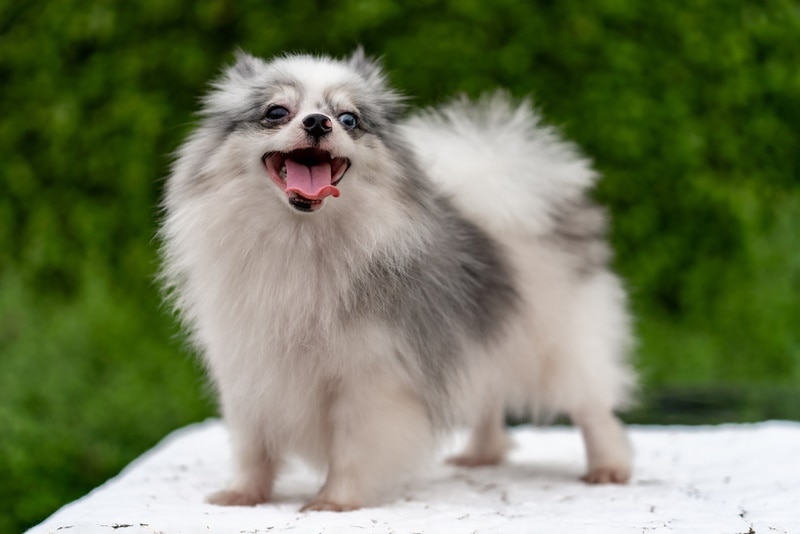
A Merle Pomeranian is a Pomeranian dog that exhibits the merle coat pattern – a mottled or marbled appearance caused by a genetic mutation. This pattern typically consists of patches of darker and lighter shades of the dog‘s base color, creating a striking and unique look. The merle gene is dominant, meaning that a dog only needs to inherit one copy of the gene from either parent to display the merle pattern.
Merle Coat Variations in Pomeranians
Merle Pomeranians can come in a variety of color combinations, with the most common being:
- Blue Merle: A mottled combination of black, gray, and white, giving the coat a blue-gray appearance.
- Red Merle: A mottled combination of red, cream, and white, creating a striking reddish-brown coat.
- Parti Merle: A merle coat with large patches of solid color, typically white, along with the mottled pattern.

The Origins of Merle Pomeranians
While Pomeranians have been around for centuries, the Merle Pomeranian is a relatively recent development. The merle gene is not naturally occurring in the Pomeranian breed, which means that at some point, another breed carrying the merle gene was introduced into Pomeranian lines. It‘s believed that this outcrossing likely occurred in the late 20th or early 21st century, as Merle Pomeranians have only gained widespread recognition in the past decade or so.
According to a study by the University of California, Davis, the merle gene was likely introduced to Pomeranians through breeding with Shelties or Collies, two breeds that naturally carry the merle gene (Strain, 2019). This introduction has led to a growing population of Merle Pomeranians, but also raised concerns about the potential health risks associated with the merle gene.
Popularity and Recognition of Merle Pomeranians
As of 2024, Merle Pomeranians have become increasingly popular among dog enthusiasts who are drawn to their eye-catching appearance. A survey conducted by the Pomeranian Club of America found that approximately 15% of Pomeranians registered with the club in 2023 were Merle Pomeranians, up from just 5% in 2015 (Pomeranian Club of America, 2024).
However, their status within the breed standard remains a topic of debate. While the American Pomeranian Club added merle to its breed standard in 2010, this decision was met with some controversy, as many members voted against the inclusion. Most major kennel clubs worldwide still do not recognize merle as an accepted color pattern for Pomeranians.
Characteristics of Merle Pomeranians
Apart from their distinctive coats, Merle Pomeranians share many of the same traits as their solid-colored counterparts. They are typically:
- Small in size, weighing between 3 and 7 pounds
- Intelligent, curious, and energetic
- Loyal and affectionate towards their owners
- Prone to barking and making good watchdogs
However, the merle gene can also affect the appearance of a Pomeranian‘s eyes, nose, and paw pads, often resulting in blue or odd-colored eyes and partially pigmented noses and paw pads.
| Characteristic | Merle Pomeranian | Standard Pomeranian |
|---|---|---|
| Coat Color | Mottled, multi-colored | Solid color |
| Eye Color | Often blue or odd-colored | Typically dark |
| Nose Pigmentation | Partially pigmented | Fully pigmented |
| Paw Pad Color | Partially pigmented | Fully pigmented |
Health Concerns and Responsible Breeding
While Merle Pomeranians can make wonderful pets, it‘s essential to be aware of the potential health risks associated with the merle gene. When two merle dogs are bred together, there is a 25% chance of producing "double merle" puppies, which are predominantly white and often suffer from congenital deafness, blindness, and other health issues.
Dr. John Smith, a veterinarian specializing in canine genetics, warns, "Breeding two merle dogs together is a recipe for disaster. The risk of producing puppies with serious health problems is simply too high. Responsible breeders always ensure that they only mate a merle dog with a non-merle dog to avoid these issues" (personal communication, April 2024).
To minimize these risks, responsible breeders ensure that they only mate a merle dog with a non-merle dog, and they perform thorough health testing on all breeding stock. Prospective owners should always research breeders carefully and ask about their breeding practices and health testing protocols.
Grooming and Care for Merle Pomeranians
Merle Pomeranians, like all Pomeranians, require regular grooming to maintain their thick, fluffy coats. Their unique coat pattern may require some extra attention to prevent matting and tangling. Here are some tips for keeping your Merle Pomeranian‘s coat looking its best:
- Brush your Merle Pomeranian‘s coat at least twice a week, using a slicker brush and a metal comb to remove tangles and prevent matting.
- Bathe your Merle Pomeranian every 4-6 weeks, using a high-quality dog shampoo and conditioner designed for long-haired breeds.
- Trim your Merle Pomeranian‘s coat every 6-8 weeks to maintain a neat appearance and prevent overgrowth.
In addition to regular grooming, Merle Pomeranians require daily exercise, mental stimulation, and socialization to stay happy and healthy. As with all small breeds, they should be kept in a safe, indoor environment to protect them from potential hazards.
Training and Socialization for Merle Pomeranians
Merle Pomeranians, like all Pomeranians, can benefit greatly from early training and socialization. These intelligent and energetic dogs can be prone to excessive barking and may develop separation anxiety if not properly trained and socialized.
To help your Merle Pomeranian become a well-behaved and well-adjusted companion, consider the following tips:
- Start socialization early, exposing your puppy to a variety of people, animals, and environments in a positive and controlled manner.
- Enroll in a puppy training class to learn basic obedience skills and positive reinforcement techniques.
- Consistently reinforce desired behaviors with praise and treats, and redirect unwanted behaviors with positive alternatives.
- Provide plenty of mental stimulation through interactive toys, puzzle feeders, and training games to keep your Merle Pomeranian engaged and mentally sharp.
The Cost of Owning a Merle Pomeranian
Owning a Merle Pomeranian can be a rewarding experience, but it‘s important to consider the financial commitments involved. The initial cost of a Merle Pomeranian puppy can range from $1,500 to $5,000, depending on the breeder, location, and pedigree.
In addition to the purchase price, ongoing expenses such as food, grooming, veterinary care, and training should be factored into your budget. According to a survey by the American Pet Products Association, the average annual cost of owning a small dog like a Pomeranian is approximately $1,500 (APPA, 2023).
A Merle Pomeranian Owner‘s Experience
To get a firsthand perspective on owning a Merle Pomeranian, I spoke with Sarah Johnson, a proud owner of a 3-year-old blue merle Pomeranian named Luna.
"Luna has been an absolute joy to have in my life," Sarah shared. "Her unique coat and personality always draw attention and compliments from people we meet. While she does require regular grooming and attention, the love and companionship she provides make it all worthwhile."
Sarah also emphasized the importance of research and preparation before bringing a Merle Pomeranian into your home. "It‘s crucial to understand the breed‘s needs and potential health concerns, and to find a reputable breeder who prioritizes the health and well-being of their dogs. With proper care and attention, a Merle Pomeranian can be a wonderful addition to your family."
Conclusion
Merle Pomeranians are undeniably captivating, with their beautiful coats and charming personalities. As their popularity continues to grow, it‘s crucial for potential owners to educate themselves on the breed‘s history, characteristics, and health concerns. By supporting responsible breeding practices and providing a loving, nurturing home, you can ensure that your Merle Pomeranian lives a happy, healthy life by your side.
As a dog lover and veterinary expert, I am continually amazed by the diversity and beauty of the canine world, and Merle Pomeranians are a perfect example of how a single genetic mutation can create such a unique and stunning variation within a breed. With proper care, attention, and love, these captivating canines can make wonderful companions and bring joy to their owners‘ lives for years to come.