
The Game-Changing Impact of Web Browsing in OpenAI‘s ChatGPT
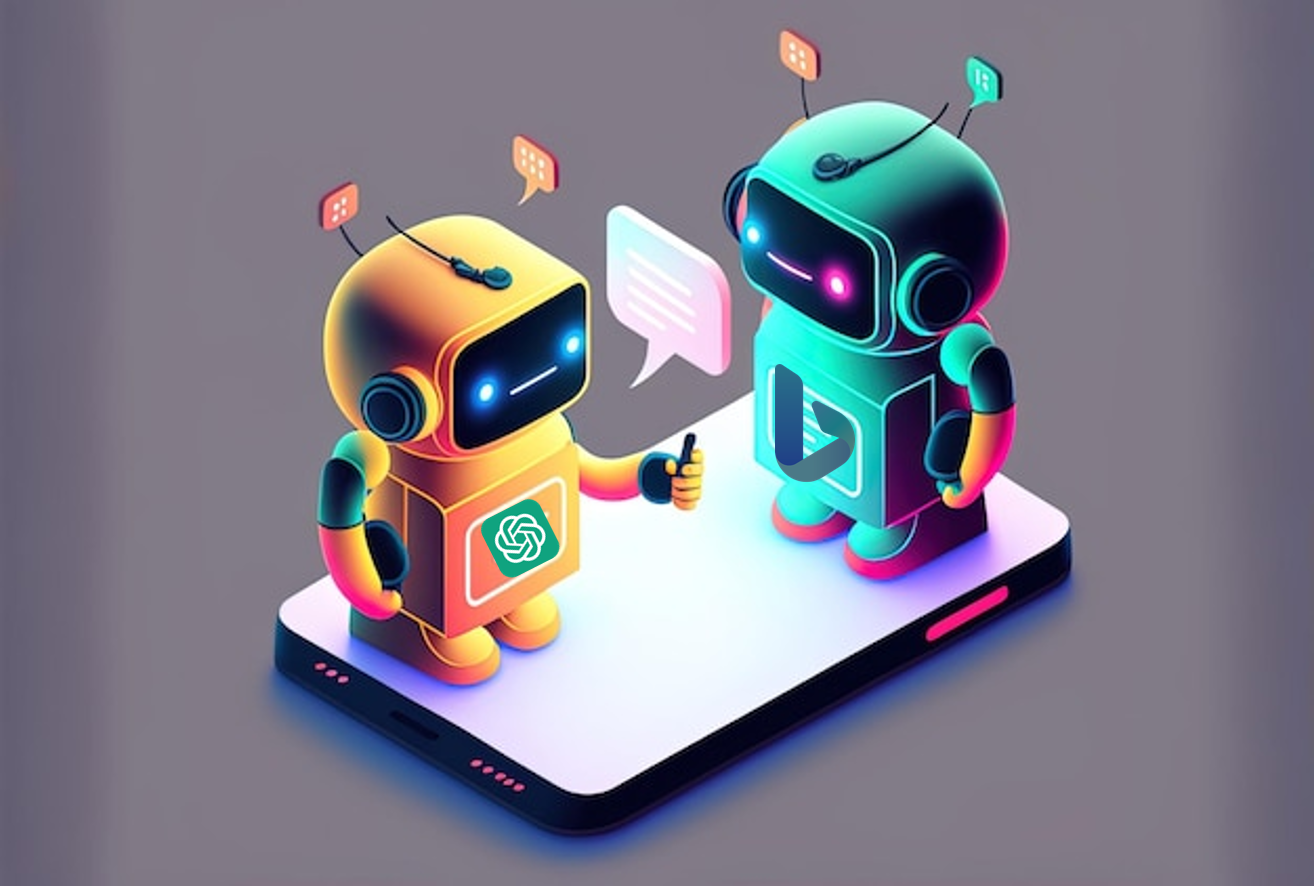
In a groundbreaking development, OpenAI has introduced a new web browsing feature for ChatGPT Plus subscribers, powered by an exclusive integration with Microsoft‘s Bing search engine. This milestone achievement marks a significant leap forward in the capabilities of conversational AI, unlocking vast potential for enhanced knowledge, research, and analysis. As an expert in artificial intelligence and machine learning, I believe this integration heralds a new era in the evolution of language models and their ability to seamlessly tap into the boundless knowledge of the internet.
Unlocking the Power of Internet-Connected Language Models
The integration of web browsing capabilities into ChatGPT represents a major breakthrough in the field of natural language processing (NLP). By enabling ChatGPT to access and incorporate real-time information from the internet, OpenAI has effectively supercharged its language model, transforming it from a highly knowledgeable but ultimately limited system to one with the potential for near-infinite knowledge expansion.
Traditionally, language models like ChatGPT have been trained on vast amounts of text data, allowing them to develop a deep understanding of language patterns, context, and general knowledge. However, their knowledge has been constrained by the specific data they were trained on, typically up to a certain cut-off date. In ChatGPT‘s case, its knowledge spans up to 2021, limiting its ability to engage with the most current information and events.
The introduction of web browsing drastically changes this paradigm. By integrating with Bing, ChatGPT can now access the most up-to-date information available on the internet, vastly expanding its knowledge base and enabling it to provide more accurate, relevant, and timely responses to user queries. This integration opens up a world of possibilities, allowing ChatGPT to assist users with a wide range of tasks, from research and analysis to content creation and decision-making.
The Technical Challenges of AI-Powered Web Browsing
While the integration of web browsing into ChatGPT is undeniably exciting, it‘s important to acknowledge the significant technical challenges involved in enabling language models to reliably search the web and incorporate information into their responses.
One of the key challenges lies in the sheer scale and complexity of the internet. With billions of web pages and a constant stream of new information being added every second, developing algorithms that can efficiently navigate this vast landscape and identify the most relevant and accurate information is a monumental task. OpenAI and Microsoft have undoubtedly invested significant resources into refining Bing‘s search capabilities to ensure that ChatGPT receives the most pertinent results for each query.
Another challenge is the potential for misinformation and inaccuracies present on the internet. While search engines like Bing employ sophisticated algorithms to rank and filter results, the web is still rife with misleading, biased, or outright false information. Ensuring that ChatGPT can discern between reliable and unreliable sources and provide users with accurate and trustworthy information is a complex problem that requires ongoing research and development.
Furthermore, integrating web-sourced information into ChatGPT‘s responses in a coherent, contextually relevant manner presents its own set of challenges. Language models must be able to not only identify and extract key information from web pages but also synthesize that information in a way that flows naturally within the context of the conversation. This requires advanced techniques in natural language understanding, text summarization, and dialogue management.
Despite these challenges, the successful integration of web browsing into ChatGPT is a testament to the relentless innovation and dedication of the teams at OpenAI and Microsoft. As the technology continues to evolve and mature, we can expect to see even more seamless and robust integration of internet knowledge into conversational AI systems.
The Transformative Potential of Web-Connected AI Assistants
The introduction of web browsing in ChatGPT has the potential to transform the way we interact with and leverage AI assistants across a wide range of domains. By providing access to the vast knowledge of the internet, ChatGPT and similar systems can become indispensable tools for research, analysis, learning, and decision-making.
In the realm of research, web-connected AI assistants can significantly streamline the process of gathering and synthesizing information from multiple sources. Students, academics, and professionals alike can benefit from the ability to quickly access relevant articles, studies, and data, with the AI assistant providing summaries, insights, and even suggestions for further exploration. This can greatly accelerate the pace of knowledge acquisition and enable users to dive deeper into their areas of interest.
For businesses and organizations, web-connected AI assistants offer immense potential for market research, competitive analysis, and strategic decision-making. By leveraging the real-time data and insights available on the internet, these systems can help organizations stay ahead of industry trends, identify emerging opportunities, and make data-driven decisions with greater confidence.
Furthermore, the integration of web browsing into conversational AI opens up new possibilities for personalized learning and skill development. Imagine an AI tutor that can not only provide explanations and guidance on a wide range of subjects but also curate relevant online resources and adapt its teaching style to the individual needs and preferences of each learner. The potential for AI-powered, web-connected education is truly limitless.
The Need for Transparency and Expanding Search Options
While the integration of web browsing into ChatGPT through Bing is a significant milestone, it‘s important to address the concerns raised by the exclusive partnership between OpenAI and Microsoft. As a leader in the field of AI, OpenAI has a responsibility to ensure transparency and promote openness in the development and deployment of its technologies.
Critics argue that limiting ChatGPT‘s web browsing capabilities to a single search engine, particularly one that is owned by a close partner, may introduce biases and restrict user choice. To address these concerns, OpenAI should consider expanding its search options to include other reputable search engines, such as Google, DuckDuckGo, or Baidu. By providing users with a choice of search providers, OpenAI can demonstrate its commitment to neutrality and user empowerment.
Furthermore, OpenAI should be transparent about the specific algorithms and criteria used by Bing to surface and rank search results for ChatGPT. Users have a right to understand how the information they receive is being curated and prioritized, especially given the significant influence that web-connected AI assistants can have on their knowledge and decision-making.
The Importance of Human Oversight and Fact-Checking
As ChatGPT and other AI assistants become increasingly connected to the internet and capable of providing information and insights on a wide range of topics, it‘s crucial to emphasize the importance of human oversight and fact-checking. While these systems can process and synthesize vast amounts of data with remarkable speed and efficiency, they are not infallible and can sometimes generate inaccurate or misleading information.
One of the key limitations of current AI language models is their inability to truly understand the meaning and context behind the information they process. While they can identify patterns and relationships in the data, they lack the deep understanding and critical thinking skills that humans possess. This can lead to errors, biases, and inconsistencies in their outputs, particularly when dealing with complex or nuanced topics.
To mitigate these risks, it‘s essential for users of web-connected AI assistants to maintain a critical and discerning mindset. Rather than blindly accepting the information provided by these systems, users should view them as a starting point for further research and verification. By cross-referencing multiple sources, seeking expert opinions, and applying their own judgment and domain knowledge, users can ensure that the insights they receive from AI assistants are accurate, relevant, and trustworthy.
Moreover, OpenAI and other developers of web-connected AI systems have a responsibility to implement robust safeguards and quality control measures to minimize the spread of misinformation. This may involve techniques such as fact-checking algorithms, source verification, and human moderation to identify and flag potentially inaccurate or misleading information.
The Future of AI-Powered Browsing
The integration of web browsing into ChatGPT is just the beginning of an exciting new chapter in the evolution of AI-powered knowledge acquisition and dissemination. As the technology continues to advance and mature, we can expect to see even more seamless and intuitive integration of internet knowledge into conversational AI systems.
In the future, AI-powered browsing may become an integral part of our daily lives, revolutionizing the way we learn, work, and make decisions. Imagine a world where you can simply ask your AI assistant to research a topic, analyze data, or provide insights on a complex problem, and receive a comprehensive, well-sourced response within seconds. The potential for increased productivity, creativity, and innovation is truly staggering.
However, as we embrace this future, it‘s crucial to do so with a sense of responsibility and ethical consideration. The development of increasingly advanced AI systems raises important questions about privacy, security, and the potential for misuse. As a society, we must work together to establish clear guidelines and regulations to ensure that the power of AI is harnessed for the benefit of all, while minimizing the risks and negative consequences.
This will require ongoing collaboration between researchers, policymakers, industry leaders, and the general public to shape the future of AI in a way that aligns with our values and goals as a society. By fostering open dialogue, transparency, and accountability, we can work towards a future where AI-powered browsing and other advanced technologies are developed and deployed in a responsible, ethical, and inclusive manner.
Conclusion
The introduction of web browsing in OpenAI‘s ChatGPT, powered by Bing, marks a significant milestone in the evolution of conversational AI and its potential to revolutionize the way we access, process, and utilize knowledge. By enabling language models to tap into the vast resources of the internet, this integration opens up a world of possibilities for enhanced research, analysis, learning, and decision-making.
However, as we embrace this exciting new frontier, it‘s important to approach it with a critical eye and a commitment to transparency, accountability, and ethical considerations. By working together as a society to navigate the challenges and opportunities presented by web-connected AI, we can harness the immense potential of this technology to drive progress, innovation, and positive change for all.
As an AI and machine learning expert, I am excited to witness and contribute to the ongoing evolution of conversational AI and its integration with the internet. By pushing the boundaries of what‘s possible and responsibly leveraging the power of these technologies, we can unlock new frontiers of knowledge, creativity, and human potential.


