Orange Pomeranian Dogs: Petite Packages Bursting with Personality
Introduction
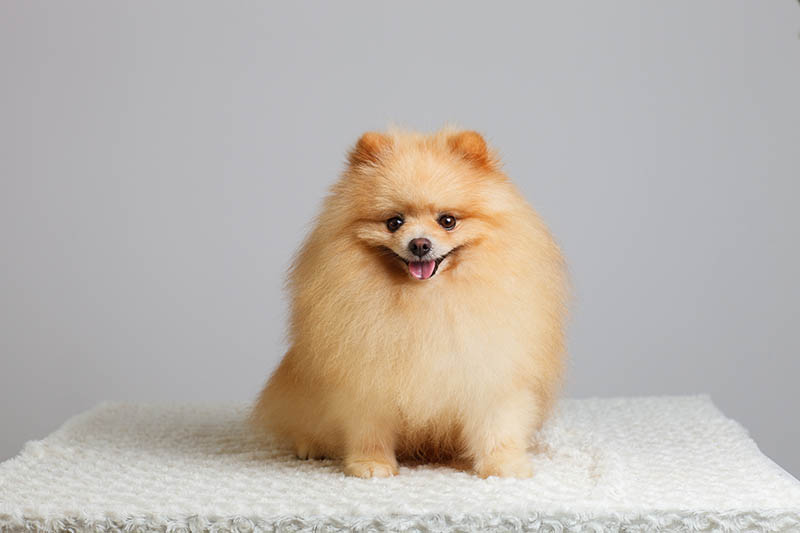
For dog lovers seeking a pint-sized companion with a larger-than-life personality, the orange Pomeranian is hard to beat. This foxy-faced little dog with the fluffy coat and plumed tail has been a popular choice for city dwellers, royals, and celebrities for centuries, and it‘s easy to see why. Poms pack a lot of spunk, smarts and spirit into their compact bodies, and the orange color variety adds an extra touch of fire to their already lively look.
But what is it really like to live with an orange Pom, and what do prospective owners need to know about this flashy little dog‘s history, health, and care requirements? Let‘s dive into the colorful world of orange Pomeranians and find out what makes them so special.
History of the Orange Pomeranian
The Pomeranian breed as we know it today developed from the Spitz-type dogs of the Pomerania region in northern Europe. These ancestral Poms were much larger, weighing up to 30 pounds, and were used as working dogs for herding and sledding. It was not until the late 18th century that the trend for smaller companion dogs led to the selective breeding that would transform the Pom into the toy breed we recognize now.
Several royal figures played a key role in the Pomeranian‘s rise to popularity and the development of the orange color variety. In 1767, Queen Charlotte of England brought two Pomeranians named Phoebe and Mercury to live at Buckingham Palace. Other nobles like Josephine Bonaparte and Queen Victoria‘s uncle, the Belgian Duc de Saxe-Coburg-Gotha, also kept the breed.
But perhaps no royal had as much influence on the Pomeranian as Queen Victoria herself. The Queen first encountered the breed in its larger form on a trip to Italy in 1888. She returned home with a sable and red Pom named Marco who ignited her passion for the breed. Victoria began breeding and showing Pomeranians, favoring the smaller size and orange/red color that would become hallmarks of the breed.
Her Majesty‘s interest in Pomeranians spurred a surge of popularity for the breed among the European public. Poms were exhibited at the Crufts dog show in England for the first time in 1891, the same year the first breed standard was issued by the English Kennel Club. This standard called for a compact, cobby dog weighing no more than 8 pounds, with a soft, thick undercoat and a profuse outer coat forming a ruff and frill around the neck and a plumed tail curled over the back.
As more and more Pomeranians were bred and shown in England and Europe, coat colors like orange, red, cream and sable became increasingly popular and refined. Breeders sought to produce vivid, clear colors with no sooty shadings or white markings. Advances in dog shows and transportation in the early 20th century brought Poms to America, where they quickly caught on as ideal city pets and companions.
The first Pomeranian specialty show in the US was held in 1911, and by the 1920s, Poms were among the most popular toy breeds in the country. While World War II disrupted breeding in Europe, American breeders continued to refine the breed and the orange color. By the 1950s, the compact, big-coated, brightly colored Pom we know today was well established.
The Genetics of Orange in Pomeranians
So what is behind the Pomeranian‘s signature orange coat? The answer lies in genetics. The orange color in Poms is produced by a specific pigment called pheomelanin, which is controlled by the "A" or agouti gene. Pomeranians with one or two copies of the dominant "A" allele will produce orange coats, while those with the recessive "a" allele will be black or brown.
But the intensity and shade of orange can vary based on other genetic factors. Poms with the dominant "C" or chinchilla gene will have lighter orange coats that may appear almost cream or peach colored. Those with the recessive "cch" allele will be a darker, richer shade of orange. Still other genes can modify the orange to produce a red or auburn hue.
Breeders must select carefully to produce the clear, vivid orange color described in the breed standard. Mating two orange Poms does not necessarily guarantee orange puppies, as the dogs may carry the recessive black or brown genes. Conversely, orange puppies may pop up unexpectedly from mating two dogs of other colors if they both carry the dominant orange gene.
Generally, the gene pool for orange Pomeranians is fairly broad and diverse, as the color has been popular for so long. Studies have found no link between coat color and health issues in Poms. So orange Pom lovers can focus on finding a pup with a radiant coat, sparkling personality, and clean bill of health.
Orange Pomeranian Popularity and Vital Statistics
Just how popular are orange Pomeranians compared to other varieties of the breed? While exact color statistics are hard to come by, a look at Pom registrations and rankings with major kennel clubs provides some clues.
In 2020, the Pomeranian ranked 23rd out of 195 breeds registered with the American Kennel Club, with 8,367 individual dogs registered. Within the toy group, Poms came in 4th, behind Chihuahuas, Yorkshire Terriers and Malteses.
The Kennel Club in the UK reports a total of 6,565 Pomeranian puppy registrations from 2015-2019. Worldwide, Pomeranians tend to rank among the top 20-30 most popular breeds wherever they are found. While no major kennel club breaks down registrations by color, most observers agree that orange remains the most common and popular color in the breed.
But what about the Pomeranian‘s vital statistics beyond popularity? According to AKC breed data, the average lifespan for a Pom is 12-16 years, quite long for a toy breed. Healthy Pom litters typically consist of 1-5 puppies weighing just a few ounces each at birth.
As adults, Pomeranians stand 6-7 inches tall at the shoulder and weigh 3-7 pounds, with females typically smaller than males. Of course, with their profuse double coats adding a lot of visual bulk, many Poms look quite a bit larger than they actually are!
Orange Pomeranian Health and Care
Like many purebred dogs, Pomeranians can be prone to certain hereditary health issues. According to the Orthopedic Foundation for Animals (OFA), the most commonly reported health conditions in Poms are luxating patellas (slipping kneecaps), tracheal collapse, hypothyroidism, and eye disorders like distichiasis and entropion.
Responsible Pomeranian breeders screen their dogs for these issues with specialized veterinary exams like the OFA patella evaluation, eye exams by a canine ophthalmologist, and thyroid testing. Prospective buyers should ask to see health clearances for both of a puppy‘s parents.
Dental disease is another major health concern in toy breeds like Pomeranians. Poms have small jaws that can easily become crowded with teeth, leading to tartar buildup, gum recession and eventual tooth loss. Daily tooth brushing and regular professional cleanings under anesthesia are essential to maintain a Pom‘s oral health into old age.
In terms of general care, Poms have fairly moderate exercise needs but do require regular brushing and grooming to keep their voluminous coats in top shape. Weekly brushing and combing down to the skin is a must to prevent mats and tangles. Many pet owners opt to have their Pom‘s coat trimmed short by a groomer for easier upkeep.
Despite their small size, Poms have high metabolisms and may need more food for their size than other toy breeds. A high-quality, nutritionally balanced small dog or toy breed formula is a good choice, but portion control is key to prevent obesity. Poms love to eat and can become quite pudgy if their intake isn‘t monitored carefully.
Life with an Orange Pomeranian
So what is it actually like to live with one of these fluffy balls of canine fire? Pomeranian people tend to gush about their dogs‘ unique combination of beauty, brains and boundless love for their humans. But they‘ll also tell you that life with a Pom is rarely dull, as these confident little dogs have minds of their own.
"They always say that a Pom will train you," jokes Laura K., an owner of multiple orange Poms for over 20 years. "They‘re so smart and pick things up so quickly that you really have to stay on top of the training and socialization. But that intelligence also means they excel at learning tricks and cute behaviors that make them so much fun to be around."
Indeed, many Pom fans describe their dogs as almost cat-like in their poise and independent spirit. They may be lap dogs in terms of size, but they don‘t just want to lounge around all day. Poms are alert, inquisitive and always up for an adventure, whether that means a trip to the dog park or a new puzzle toy to figure out.
Those smarts and strong guarding instincts can translate to a lot of barking, so teaching a "quiet" command is a must for Poms. Early and ongoing socialization to a variety of people and situations is also essential to prevent a Pom from becoming overly suspicious or snappy with strangers.
With their big personalities, Poms can sometimes forget they weigh less than a jug of milk and try to take on much bigger dogs. Teaching a solid recall and closely supervising a Pom‘s interactions with strange dogs is important to keep these feisty fluffballs out of harm‘s way.
But perhaps more than anything, Pom people rave about the intense, devoted bond they share with their little orange shadows. Poms are definitely a "velcro" breed that don‘t like to let their special person out of their sight. They may be small in stature, but they have hearts as big as lions when it comes to loving their humans.
"Once a Pom decides you‘re their person, you‘ll never be alone again," Laura laughs. "They‘re so affectionate and in tune with your moods and routines. My Pom Ziggy can sense the minute I even think about going for a walk or reaching for the treat jar. They‘re the perfect blend of snuggle bug and spunky sidekick."
Conclusion
From their noble beginnings to their modern-day popularity, orange Pomeranians have proven they‘re here to stay in the dog world. With their sunny good looks and larger-than-life personalities, these jaunty little dogs make a big impact wherever they go.
For the right owner willing to devote plenty of time and attention to grooming and training, an orange Pom can be a wonderful companion, lap warmer, and source of smiles for many years. These dogs may be petite, but they love with all their might. An orange Pom is truly the total package – brains, beauty, and an unbreakable bond with their lucky humans.
References
- American Kennel Club. Pomeranian Breed Standard. Retrieved from https://www.akc.org/dog-breeds/pomeranian
- American Pomeranian Club. Breed History. Retrieved from https://americanpomeranianclub.org/breed-history/
- American Pomeranian Club. Coat Colors and Patterns. Retrieved from https://americanpomeranianclub.org/education/breed-standard/coat-and-color/
- Borgi, M., & Cirulli, F. (2016). Pet Face: Mechanisms Underlying Human-Animal Relationships. Frontiers in psychology, 7, 298. Retrieved from https://www.ncbi.nlm.nih.gov/pmc/articles/PMC4783055/
- Lewis, T. W., Abhayaratne, B. M., & Blott, S. C. (2015). Trends in genetic diversity for all Kennel Club registered pedigree dog breeds. Canine genetics and epidemiology, 2, 13. Retrieved from https://www.ncbi.nlm.nih.gov/pmc/articles/PMC4579373/
- Orthopedic Foundation for Animals. Pomeranian statistics. Retrieved from https://www.ofa.org/diseases/breed-statistics#detail