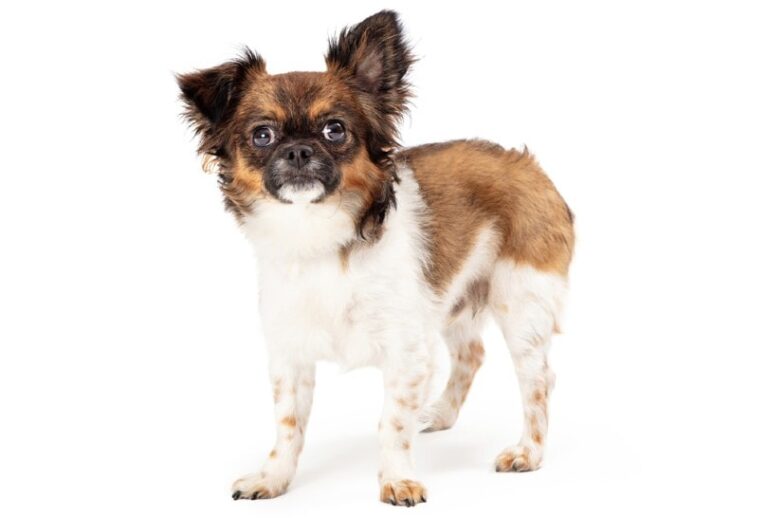
Dalmatian Dachshund Mix: The Ultimate Guide to the "Dalmachshund"

Are you fascinated by the unique and adorable dalmatian dachshund mix? Often called a "dalmachshund" or "dachsation", this designer dog breed has been rising in popularity in recent years due to their cute looks, spunky personality, and loyal companionship. If you‘re considering adding one of these spotted, elongated pups to your family, here‘s everything you need to know to be a responsible and loving dalmachshund owner.
History and Origins
The dalmatian dachshund mix is a fairly new crossbreed without a well-documented history. The parent breeds, however, each have a rich heritage:
-
Dalmatians originated in Croatia as early as the 1600s. They were bred as coach dogs to run alongside carriages and guard the horses and occupants. In the 1800s, they also became popular as firehouse dogs in the United States. Today, they are beloved family pets known for their striking white coats with black or liver spots.
-
Dachshunds were developed in Germany over 300 years ago to hunt badgers and other small prey. Their long, low bodies allowed them to dig into dens and burrows. Miniature and rabbit sizes were later bred to hunt smaller game. In modern times, dachshunds mostly enjoy life as fun-loving, feisty companion dogs.
The dalmatian dachshund mix likely originated in the late 1990s or early 2000s in the United States, as purebred enthusiasts experimented with crossing different breeds to achieve certain desirable traits. As with many designer dogs, the exact details are unclear. But the dalmachshund has since won many fans who adore this eye-catching hybrid.
Physical Characteristics
Since the dalmachshund is a mix of two breeds, their appearance can vary quite a bit depending on which parent they take after more. In general, here‘s what you can expect:
-
Size: Dalmachshunds are small-to-medium dogs. They typically weigh between 15-30 pounds and stand 10-20 inches tall at the shoulder. Individuals with more dachshund ancestry will have slightly longer bodies.
-
Coat: The coat is usually short and straight like both parent breeds. Most dalmachshunds have a white or light base coat with darker spots, speckles, or patches in black, liver, or tan. The spots are not always as distinct or prolific as a purebred dalmatian‘s.
-
Head: The head shape can favor either the dachshund or dalmatian, or be a mix of both. Dalmachshunds may have the longer muzzle of a dalmatian or the slightly domed head and drop ears of a dachshund.
-
Body: Dalmachshunds tend to have muscular, athletic bodies that are a little bit longer than tall. Their chests are deep and their legs sturdy. The tail is medium-length and tapering.
Temperament and Personality
The dalmatian dachshund mix is prized for having many of the best traits of both parent breeds:
-
Friendly and outgoing: Dalmachshunds are sociable pups who love attention from their family and enjoy meeting new people and dogs. They are playful and happy-go-lucky, always ready for a good time.
-
Intelligent and trainable: With the cleverness of the dachshund and the eagerness of the dalmatian, dalmachshunds are bright dogs who catch on quickly to training. They respond very well to positive reinforcement and enjoy having a job to do.
-
Loyal and protective: This breed bonds closely with their owners and wants to be with them as much as possible. They can have a bit of a protective instinct and make decent watch dogs, quick to alert you of anything suspicious.
-
Energetic and athletic: Dalmachshunds may have a goofy streak, but they also have impressive stamina and speed passed down from their coach dog ancestors. Expect them to be very lively and always on the move.
-
Independent and stubborn: The dachshund side contributes a strong will and independent mind to this mix. Dalmachshunds can sometimes be headstrong if they don‘t get their way. But with confident, consistent leadership from their owners, they are cooperative pets.
While individual personality will vary, most dalmachshunds are active, affectionate, and amusing dogs who charm everyone they meet. With proper training and socialization, they make delightful companions for many types of households.
Exercise and Living Needs
The dalmatian dachshund mix has moderate-to-high exercise needs to be happy and healthy. Aim for at least 45-60 minutes per day of physical activity, broken up into a couple walks, play sessions, and brain games. They especially love taking hikes, going on runs with you, or learning dog sports like agility or flyball. Without enough outlets for their energy, dalmachshunds can become bored and destructive.
Despite their energetic nature, dalmachshunds can adapt well to many living situations as long as their exercise needs are met. They are compact enough for apartments but also rugged enough to be a ranch dog. Having a securely fenced yard where they can run and explore is ideal. This breed does best as a house dog with plenty of interaction with their humans.
Training and Socialization
Early socialization and positive training are essential for dalmachshunds to grow into well-behaved, confident canine citizens. Introduce them to many different people, animals, places, and experiences as a puppy to help them feel at ease in the world. Puppy classes are a great way for them to learn key socialization skills.
Use rewards like treats, toys, and praise to teach your dalmachshund basic manners and obedience commands such as sit, down, stay, come, and loose-leash walking. Keep training sessions short and fun so your clever pup stays engaged. If they start showing a stubborn streak, stay patient and firm to show them that you are a capable leader they should listen to.
With their smarts and work ethic, dalmachshunds can go far with advanced training like service dog work, search-and-rescue, or competitions. Humor their love of having an important task and you‘ll be amazed at what they can achieve. That said, they are also playful goofballs who love a rousing game of fetch or hide-and-seek just as much as mastering a new skill.
Grooming and Care
The dalmatian dachshund mix has fairly basic grooming needs thanks to their short, sleek coat. Brush them a few times a week with a soft bristle brush or hound glove to remove loose fur and keep their coat shiny. They typically shed a moderate amount, with heavier shedding seasons in the spring and fall. Regular brushing and the occasional bath can help control shedding.
Other grooming tasks include:
- Trimming nails every 3-4 weeks
- Cleaning ears weekly to prevent infections
- Brushing teeth daily for dental health
Along with grooming, all dogs need regular check-ups at the vet, flea/tick/heartworm prevention, and vaccinations to stay healthy. Feed your dalmachshund a quality dog food in an amount appropriate for their age, size, and activity level to maintain a healthy weight.
Possible Health Concerns
As a hybrid dog, dalmachshunds may inherit health issues common to either of their parent breeds, such as:
- Hip dysplasia
- Deafness (especially in dogs with a lot of white pigment)
- Skin allergies
- Eye problems like glaucoma or progressive retinal atrophy
- Patellar luxation
- Bloat
- Obesity
Not every dog will get these ailments, but it‘s wise for owners to be aware of them. Choosing a puppy from health-screened parents and providing lifelong preventive vet care can reduce the risk of developing problems.
On the plus side, crossbreeds like dalmachshunds often benefit from "hybrid vigor", meaning they can be healthier than their purebred parents due to greater genetic diversity. With good care, dalmachshunds often enjoy a lifespan of 12-15 years.
Fun Facts
- Some dalmachshunds have a piebald spotting pattern where some areas have no dark spots, giving them a "patchwork" look.
- The record for the world‘s longest dachshund is over 6 feet from nose to tail tip! Of course, dalmachshunds probably won‘t get quite that lengthy.
- Dalmatians are born pure white – their spots develop over the first few weeks of life. Dalmachshund puppies may start off solid white too.
- The oldest known dalmatian lived to be 18 years old, according to Guinness World Records.
- Dachshunds come in 6 different colors, 3 marking types, 3 coat types, and 2 sizes – giving the dalmachshund even more possibilities for variety!
Getting a Dalmatian Dachshund Mix
If you‘ve fallen for the many charms of the dalmatian dachshund mix, your next step is to find a reputable breeder or rescue group. Because this is still a relatively rare designer breed, you may need to go on a waiting list.
When searching for a breeder, look for one who does health testing on the parents, raises the puppies in their home with socialization and vet care, and asks you questions about your lifestyle to make sure you‘re a good fit. Avoid breeders who always have puppies available, won‘t let you visit, or don‘t provide a written contract.
You can also check local animal shelters and dachshund or dalmatian rescue organizations to see if they have any dalmachshund mixes for adoption. Giving a home to a dog in need is very rewarding and you may find the perfect spotted companion.
Once you bring home your new best friend, give them time to settle in. Start training right away and be sure to socialize them well. Provide lots of love, exercise, veterinary care, and healthy food. In return, your dalmachshund will be an incredibly devoted, fun-loving sidekick for many years to come.