Cavalier King Charles Spaniels: A Dog Lover‘s Guide to Hereditary Health Issues
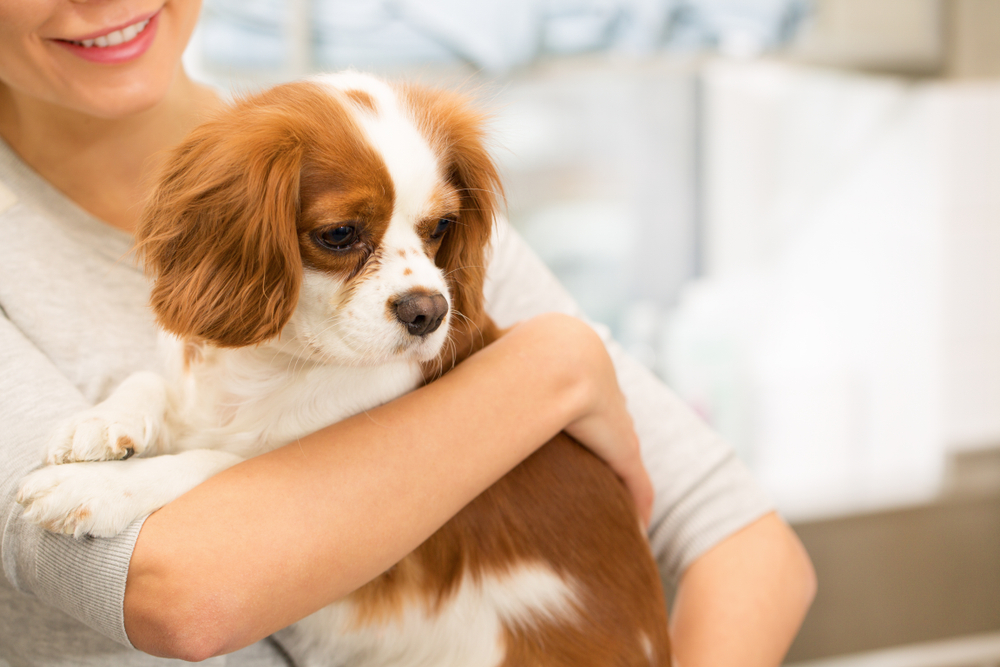
As a dog lover, it‘s hard to resist the charm of a Cavalier King Charles Spaniel. With their silky coats, expressive eyes, and gentle temperaments, these regal little dogs have captured the hearts of owners around the world. In fact, the Cavalier ranked 19th out of 197 breeds in the American Kennel Club‘s 2023 popularity rankings.[^1]
But while Cavaliers make wonderful companions, they are also prone to a number of hereditary health issues that can impact their quality of life and lifespan. As a responsible dog owner, it‘s important to educate yourself about these potential problems so you can make informed decisions about puppy selection and provide the best possible care for your Cavalier throughout their life.
Understanding Common Cavalier Health Issues
Mitral Valve Disease (MVD)
Mitral valve disease is the most common inherited heart disorder in Cavaliers, affecting over 50% of the breed by the age of 5 years and nearly 100% by 10 years.[^2] MVD occurs when the mitral valve between the left atrium and ventricle of the heart becomes thickened and leaky, allowing blood to flow backwards with each contraction.
Early signs of MVD include a heart murmur on veterinary auscultation and an enlarged heart on x-rays. As the disease progresses, the heart must work harder to pump blood effectively, leading to congestive heart failure. Affected Cavaliers may develop a cough, rapid breathing, exercise intolerance, weakness, collapse, and fluid accumulation in the lungs and belly.[^3]
While there is no cure for MVD, many Cavaliers can be managed with medications to reduce fluid retention, dilate blood vessels, and support heart function. Pimobendan, a drug that increases heart contractility and dilates blood vessels, has been shown to prolong survival time in affected Cavaliers by up to 15 months.[^4] In severe cases, surgical valve repair may be an option.
Early detection is key to managing MVD, which is why the Cavalier King Charles Spaniel Club recommends annual heart exams by a board-certified veterinary cardiologist, including an echocardiogram, for all breeding dogs.[^5] Puppies from parents with early onset MVD have a higher risk of developing the disease themselves.
Syringomyelia (SM)
Syringomyelia is a devastating neurological disorder that occurs when fluid-filled cavities called syrinxes develop within the spinal cord. In Cavaliers, SM is most often secondary to a malformation of the skull called Chiari-like malformation (CM).
With CM, the Cavalier‘s skull is too small to accommodate the brain, causing crowding of the cerebellum and obstruction of cerebrospinal fluid flow.[^6] The backed up fluid leads to development of syrinxes, which can cause severe neck pain, phantom scratching, weakness, and even paralysis.
A 2019 study found evidence of SM on MRI in 70% of Cavaliers, with 25% showing clinical signs.[^7] Onset of symptoms typically occurs between 6 months and 3 years of age. Cavaliers with SM may scratch at their neck and shoulders without making skin contact, cry out in pain, become sensitive to touch, develop scoliosis, or experience seizures.
Definitive diagnosis of SM requires an MRI scan. Treatment involves medications to manage pain, such as gabapentin and corticosteroids. Surgery to restore normal cerebrospinal fluid flow and reduce syrinx size may be recommended in severe cases, but it is not a definitive cure.[^8]
To reduce the incidence of SM, both the UK and US Cavalier clubs recommend that breeding dogs be MRI screened for CM and SM after 2.5 years of age. Only dogs that are MRI clear and offspring of MRI clear parents should be bred.[^7]
Hip Dysplasia
Hip dysplasia is an inherited malformation of the hip joint that leads to instability, pain, and early onset arthritis. While more commonly associated with large breeds, Cavaliers can also be affected. In a 2021 analysis by the Orthopedic Foundation for Animals, 12.4% of Cavaliers screened had abnormal hips.[^9]
Cavaliers with hip dysplasia may show hind limb lameness, stiffness after rest, difficulty rising, and reluctance to climb stairs or jump. Diagnosis is based on physical exam and hip x-rays. The Orthopedic Foundation for Animals and PennHIP programs offer hip screening for breeding dogs.
Treatment for hip dysplasia depends on the severity. Mild cases may be managed with weight control, low-impact exercise, joint supplements, and anti-inflammatory medications. More severe cases may require surgical procedures such as juvenile pubic symphysiodesis, femoral head ostectomy, or total hip replacement to restore function and alleviate pain.[^10]
Ocular Disorders
Cavaliers are prone to a number of hereditary eye disorders, including retinal dysplasia, cataracts, and dry eye (keratoconjunctivitis sicca). Retinal dysplasia, caused by improper development of the retina, can lead to vision loss if severe. Cataracts cause progressive clouding of the lens, while dry eye results from inadequate tear production, predisposing the cornea to ulceration and infection.[^11]
Early detection and treatment are essential to preserving vision and ocular comfort. The Cavalier Club recommends annual eye exams by a board certified veterinary ophthalmologist for all breeding dogs, as well as puppies and adult dogs.
Ear Infections
Those long, floppy Cavalier ears may be adorable, but they also create an ideal environment for bacteria and yeast overgrowth. Cavaliers are prone to chronic ear infections, which can be painful and lead to more serious middle and inner ear problems if left untreated.
Owners should check their Cavalier‘s ears weekly for redness, discharge, or odor and clean them with a veterinary-recommended ear cleaner. Early diagnosis and treatment with topical and/or oral medications are essential to prevent recurrent infections.
Breed Health Initiatives
Concerned Cavalier owners and breeders have established several health registries and research initiatives to better understand and combat hereditary health issues in the breed. These include:
- The Cavalier Health Fund, a non-profit organization that supports research into MVD, SM, and other health issues affecting Cavaliers.[^12]
- The Kennel Club‘s Mate Select program, which provides estimated breeding values for SM and coefficients of inbreeding to help breeders make informed decisions.[^13]
- The Cavalier King Charles Spaniel DNA Bank, a collaborative effort between the American Kennel Club Canine Health Foundation and the University of Missouri to collect DNA samples from Cavaliers for future research.[^14]
By participating in these initiatives and openly sharing health information, Cavalier breeders and owners can work together to improve the overall health and longevity of the breed.
Finding a Healthy Cavalier Puppy
With so many potential health issues affecting Cavaliers, it‘s crucial to do your homework before bringing home a puppy. The first step is to find a reputable breeder who prioritizes health testing and transparent communication.
When interviewing potential breeders, don‘t hesitate to ask for documentation of health clearances on the parent dogs and puppies. These should include:
- Annual heart exams by a board-certified cardiologist, including echocardiogram
- MRI screening for CM/SM after 2.5 years of age
- Hip dysplasia screening with x-rays evaluated by the Orthopedic Foundation for Animals or PennHIP
- Annual eye exams by a board-certified ophthalmologist
- DNA test for episodic falling syndrome, a neurological disorder causing collapse
Reputable breeders will be happy to share this information and answer any questions you have about the health history of their breeding dogs. They should also provide a written health guarantee for their puppies and encourage ongoing communication with buyers.
Be wary of breeders who downplay the significance of health testing, claim their lines are free of genetic issues, or refuse to provide documentation. Remember, even the most conscientious breeding practices cannot completely eliminate the risk of inherited health problems in Cavaliers.
Caring for Your Cavalier
As a Cavalier owner, your vigilance and commitment to preventative care can make a big difference in your dog‘s quality of life. This includes:
- Establishing a relationship with a veterinarian who is knowledgeable about Cavalier health issues
- Scheduling annual wellness exams, including auscultation, bloodwork, and dental care
- Feeding a high-quality diet and maintaining a healthy body condition score
- Brushing your Cavalier‘s coat regularly and keeping the ears clean and dry
- Providing regular exercise while avoiding overexertion, especially in hot weather
- Monitoring for any signs of pain, lameness, coughing, or behavior changes and promptly addressing concerns with your veterinarian
By staying informed and proactive, you can help your Cavalier live their best life despite the breed‘s health challenges.
Conclusion
For dog lovers, the appeal of the Cavalier King Charles Spaniel is undeniable. These charming, affectionate dogs have a way of stealing hearts with their gentle spirits and endearing expressions. But as with any purebred dog, Cavaliers come with a higher risk of certain inherited health conditions that can impact their quality of life and longevity.
As a prospective or current Cavalier owner, educating yourself about the breed‘s common health issues is an essential first step in providing the best possible care. By understanding the signs, diagnostic tests, and treatment options for conditions like MVD, SM, hip dysplasia, and eye disorders, you can work with your veterinarian to create a personalized wellness plan for your dog.
When selecting a Cavalier puppy, choosing a responsible breeder who performs comprehensive health testing and provides a written health guarantee is critical. Reputable breeders are transparent about the health histories of their breeding dogs and are committed to improving the overall health and longevity of the breed.
Ultimately, the key to giving your Cavalier the healthiest, happiest life possible is a combination of informed puppy selection, preventative care, and ongoing vigilance. By staying alert for any signs of pain or illness and promptly addressing concerns with your veterinarian, you can help your Cavalier thrive despite the breed‘s inherent health challenges.
While the road to better health for Cavaliers is ongoing, there is reason for hope. Breed clubs, health registries, and research initiatives are working to better understand and combat inherited health issues in Cavaliers. By supporting these efforts and openly sharing health information, Cavalier owners and breeders can work together to secure a brighter, healthier future for this beloved breed.
As a dog lover, the bond you share with your Cavalier is a special one. By being an informed, proactive advocate for your dog‘s health and well-being, you can ensure that your partnership is filled with joy, love, and the best possible quality of life for years to come.
[^1]: American Kennel Club. Cavalier King Charles Spaniel. 2023.[^2]: Swift S, et al. Survival and Echocardiographic Findings in Cavalier King Charles Spaniels with Preclinical Mitral Valve Disease. J Vet Intern Med. 2020.
[^3]: Parker HG, Kilroy-Glynn P. Myxomatous mitral valve disease in dogs: Does size matter? J Vet Cardiol. 2012.
[^4]: Boswood A, et al. Effect of Pimobendan in Dogs with Preclinical Myxomatous Mitral Valve Disease and Cardiomegaly. J Vet Intern Med. 2016.
[^5]: Cavalier King Charles Spaniel Club. CKCSC Health. 2023.
[^6]: Rusbridge C, et al. Chiari-like Malformation and Syringomyelia. Vet Surg. 2017.
[^7]: Hartley C, et al. Prevalence and risk factors for syringomyelia and Chiari-like malformation in Cavalier King Charles Spaniels. Vet J. 2021.
[^8]: Sparks CR, et al. Clinical signs and outcomes in dogs treated medically or surgically for thoracolumbar intervertebral disc protrusion. JAAHA. 2018.
[^9]: Orthopedic Foundation for Animals. Hip Dysplasia Statistics. 2023.
[^10]: Harper TAM. Conservative Management of Hip Dysplasia. Vet Clin North Am Small Anim Pract. 2017.
[^11]: American College of Veterinary Ophthalmologists. Ocular Disorders Proven or Suspected to Be Hereditary in Dogs. 2022.
[^12]: Cavalier Health Fund. Our Mission. 2023.
[^13]: The Kennel Club. Mate Select. 2023.
[^14]: American Kennel Club Canine Health Foundation. Cavalier King Charles Spaniel DNA Bank. 2023.