Portuguese Water Dog Poodle Mix: The Ultimate Guide to Portidoodles
The Portuguese Water Dog Poodle mix, affectionately known as the "Portidoodle" or "Portipoo", is an increasingly popular designer dog breed. Crossing the hypoallergenic Portuguese Water Dog with the highly intelligent Poodle results in a loving, loyal, low-shedding companion with the best traits of both parent breeds. Whether you‘re considering adding a Portidoodle to your family or just want to learn more about this fascinating hybrid, our in-depth guide covers everything you need to know.
History of the Portuguese Water Dog Poodle Mix
Portuguese Water Dogs originated in Portugal, where they served as invaluable helpers to fishermen. These working dogs retrieved lost tackle, herded fish into nets, and swam messages between boats. Their webbed feet, water-resistant coats, and strong swimming abilities made them excellently suited to their jobs.
Poodles also have a rich history as duck hunting dogs in Germany. Their keen intelligence, trainability, and low-shedding coats made them very popular. Today, Poodles excel in many canine sports and activities.
Combining these two remarkable breeds results in the Portidoodle – a hybrid dog bringing together the Portuguese Water Dog‘s friendliness and sturdiness with the Poodle‘s smarts and low-shedding coat. Portidoodles began being purposefully bred in the early 2000s, likely in the United States, as demand for dogs suitable for allergy sufferers grew.
Portidoodle Physical Characteristics
Since Portidoodles are a cross between two breeds, their appearance can vary. They are considered a medium-sized dog, typically weighing 35-60 pounds and standing 17-22 inches tall at the shoulder. Their size ultimately depends on whether they have a Standard, Miniature, or Toy Poodle parent.
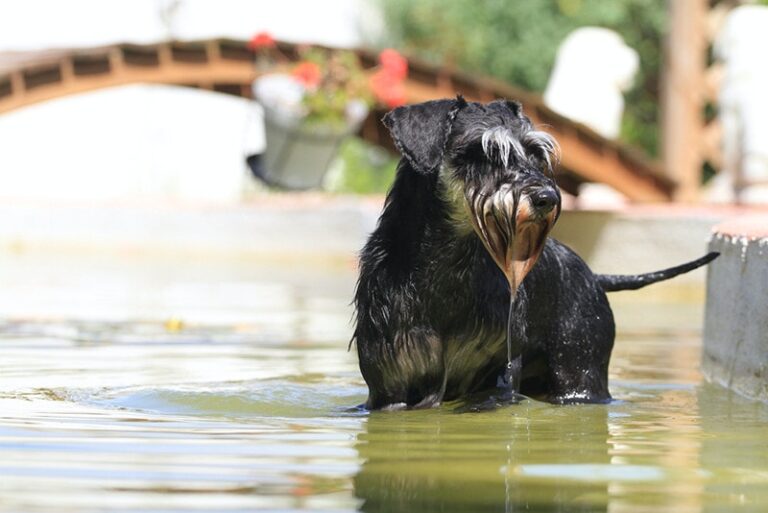
Most Portidoodles have a curly or wavy coat that is medium in length. Colors can include black, white, brown, gray, silver, apricot, or a combination. Thanks to the low-shedding coats of both parent breeds, Portidoodles are often tolerated well by those with dog allergies, though no dog is ever truly hypoallergenic.
Other physical traits Portidoodles may inherit include webbed feet, a sturdy build, floppy ears, and a long, tapered muzzle. They have friendly, expressive faces with alert, intelligent eyes.
Portidoodle Temperament and Personality
One of the great appeals of Portidoodles is their wonderful temperaments. They are known for being highly affectionate with their families and friendly towards strangers, other dogs, and children. They bond closely with their owners and love being involved in family activities.
As with any dog, early socialization and training is a must to nurture these positive traits. Portidoodles respond very well to reward-based training methods thanks to their strong work ethic and desire to please. They tend to be sensitive dogs, so harsh corrections should be avoided.
Portidoodles are playful dogs who retain a puppy-like attitude well into adulthood. They have a goofy, fun sense of humor and are always up for a game. Their intelligence and docile natures make them a good fit for homes with kids. Most also get along great with other dogs and can do well with dog-savvy cats if raised together.
While usually not prone to excessive barking, Portidoodles are alert watchdogs who will let you know if something is amiss. They don‘t tend to be aggressive but may be slightly aloof with strangers. With their families, they are known for following their favorite people from room to room – they always want to be close to the action!
Overall, Portidoodles inherit the stable, friendly temperaments of the Portuguese Water Dog combined with the eager-to-please nature of the Poodle. With proper training and care, they make delightful companions.
Training and Exercise Needs
The Portuguese Water Dog Poodle mix is a smart, active dog who needs plenty of mental stimulation and physical activity to be happy. Plan to provide at least 60 minutes of exercise daily through walks, games of fetch, swimming (Portidoodles love the water!), and/or trips to the dog park. They especially enjoy activities that engage their minds, like obedience training, agility, or nose work.
Portidoodles can adapt to many living situations if their exercise needs are met. They are a little too large and active for apartment living unless you are dedicated to lots of walks and outings. Homes with securely fenced yards are ideal. Just be aware that Portidoodles are playful and may try to engage you in a game of chase if off-leash!
When it comes to training, Portidoodles are typically a breeze. They are very biddable dogs who pick up new commands quickly with consistent, positive reinforcement methods like clicker training and lots of yummy treats. Start training and socializing your Portidoodle puppy as soon as you bring them home. Aim for short, frequent training sessions to hold your pup‘s attention.
With their sensitive natures, Portidoodles don‘t respond well to scolding or punishment. Keep training fun and upbeat. Be patient, as some Portidoodles can be a little stubborn about ceding to your leadership at first. An obedience class is a great way to strengthen your bond and polish your training skills.
Grooming and Care
Though they are considered low-shedding and hypoallergenic, Portidoodles still require regular grooming to keep their coats healthy. Brush your dog at least 2-3 times a week to prevent matting and remove any debris. Baths can be given as needed, usually every 4-8 weeks using a gentle dog shampoo.
Because Poodle mixes don‘t shed much, they need occasional haircuts to keep them looking neat and tidy. You can learn to do this yourself with electric clippers or take your Portidoodle to a professional groomer every 6-8 weeks. Don‘t forget regular nail trims, ear cleanings, and dental care with dog-safe toothpaste, too.
Other routine care includes keeping your Portidoodle up-to-date on vaccinations, parasite preventatives, and vet check-ups. Feeding a high-quality, nutritionally balanced dog food and avoiding obesity with proper portion control will help your Portidoodle thrive.
Potential Health Issues
The Portuguese Water Dog Poodle mix is a generally healthy crossbreed with a lifespan of 12-15 years on average. However, they can be prone to some of the same genetic health issues as their parent breeds. These may include:
- Hip dysplasia
- Progressive retinal atrophy (PRA)
- Addison‘s disease
- Thyroid disorders
- Von Willebrand‘s disease
- Bloat (gastric dilatation volvulus)
- Epilepsy
- Patellar luxation
- Sebaceous adenitis
- Ear infections
Not all Portidoodles will get these illnesses, but it‘s important to be aware of them. Choosing a puppy from health-tested parents and scheduling regular vet visits will help catch any potential problems early. Keeping your Portidoodle at a healthy weight, feeding an appropriate diet, and providing adequate exercise also promote lifelong health and wellness.
Is a Portidoodle Right For You?
Portuguese Water Dog Poodle mixes can be a great fit for many different types of homes and families. They are an ideal choice if you are looking for a friendly, low-shedding, relatively active dog to join you on all your adventures. Portidoodles thrive with owners who are able to spend plenty of time with them as they don‘t do well when left alone for long hours.
If you work full-time, consider if you can provide a midday dog walker or doggy daycare. Hiring a positive reinforcement trainer can also help you bring out the best in your smart Portidoodle.
For homes with young children, a Portidoodle‘s gentle, playful nature makes them a wonderful companion. Supervise all interactions and teach both dog and child how to appropriately engage with each other. Other dogs and cats are usually welcomed by sociable Portidoodles, especially if raised together. If you struggle with allergies, you may do well with a Portidoodle thanks to their Poodle influence – spend time with the breed before committing.
When adding any dog to your life, consider the time and financial commitments involved. Portidoodles need dedicated exercise and training, regular grooming, and all the same love and care as any family member. Annual expenses including food, toys, vet bills, and more can add up. Portidoodle puppies typically cost $1500-3000 from a reputable breeder, though price can vary based on location, pedigree, and coat color.
Finding a Portidoodle
The best place to look for a Portuguese Water Dog Poodle mix is through a reputable breeder. Avoid pet stores and online ads, as these may be fronts for puppy mills. A responsible Portidoodle breeder will health test their dogs, provide proof of vet care and vaccinations, offer a written contract, and be happy to answer all your questions.
Meet the puppy‘s parents if possible and observe their temperaments. Well-bred Portidoodles will be friendly and social. Wait until a puppy is at least 8 weeks old before bringing them home to ensure they have had adequate time with their mom and littermates.
You may also find an adult Portidoodle in need of rehoming through a breed-specific rescue organization. Portuguese Water Dog and Poodle rescues sometimes take in mixes too. Adopting an older dog lets you skip the challenging puppy stage while still enjoying the wonderful traits of a Portidoodle.
Conclusion
The Portuguese Water Dog Poodle mix combines the best qualities of both parent breeds into one smart, affectionate, low-shedding package. With proper care and training, a Portidoodle will be a devoted best friend for many years to come.
While they aren‘t for everyone, Portidoodles can thrive in many different living situations with owners who are committed to their well-being. If a loyal, loving, active companion sounds like the ideal dog for you, a Portuguese Water Dog Poodle mix may be your perfect match!