Prozac for Aggressive Dogs: A Comprehensive Guide
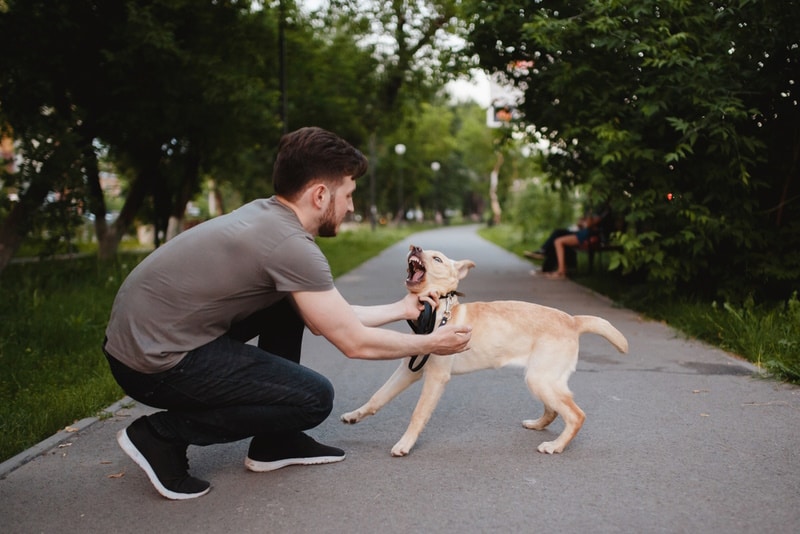
As a veterinarian and dog lover, one of the most common behavioral issues I get questions about is canine aggression. Aggression in dogs is a complex problem that can stem from many underlying factors, including fear, anxiety, trauma, or even medical conditions. It‘s a serious issue that requires a multi-faceted treatment approach for the safety of the dog, the owner, and the public.
In recent years, the prescription medication Prozac (fluoxetine) has gained attention as a potential tool for managing aggression in dogs alongside behavioral modification training. As with any medication, it‘s important for owners to fully understand how Prozac works, when it can help, and the possible limitations and side effects before considering this treatment option for their aggressive dog.
In this article, I‘ll take an in-depth look at using Prozac for aggression in dogs. We‘ll cover what Prozac is and how it works in a dog‘s brain, the specific types of aggressive behaviors it may help with, how the medication is typically given, potential side effects to watch for, and the vital importance of concurrent training and management. I‘ll also discuss cases where Prozac may be contraindicated, highlight the latest veterinary research, and share my professional opinion on the role of Prozac in treating canine aggression.
What Is Prozac and How Does It Work?
Prozac is the brand name for the drug fluoxetine, which belongs to a class of medications called selective serotonin reuptake inhibitors (SSRIs). SSRIs work by increasing the levels of serotonin, a neurotransmitter, in the brain. Serotonin helps regulate mood, emotion, sleep, and appetite.
In humans, Prozac is used to treat a variety of mental health conditions including depression, obsessive-compulsive disorder, panic attacks, and anxiety. The effects of serotonin on mood and emotion translate to dogs as well. By boosting serotonin levels in a dog‘s brain, Prozac can have an overall calming effect and potentially make a reactive dog less likely to resort to aggressive behaviors.
It‘s important to understand that Prozac does not sedate a dog or radically change their personality. Rather, it can help reduce the underlying anxiety and fear that often fuel aggressive responses. This allows the dog to be more receptive to learning new behaviors through training.
When Prozac May Help With Aggressive Behavior in Dogs
Prozac is most commonly prescribed for dogs exhibiting fear-based aggression or anxiety-related aggression. If a dog perceives a person, animal, or situation as threatening, they may lash out aggressively as a defensive response. This type of aggression is rooted in fear and anxiety rather than dominance. Common examples include leash reactivity towards other dogs, snapping at visitors in the home, or biting when handled.
Generalized anxiety can also manifest as aggressive behaviors like resource guarding, territorial aggression, or redirected aggression during times of stress. If a dog seems to be in a constantly hypervigilant and worried state, Prozac may help lower their overall anxiety levels so they can relax and cope with stressors more appropriately.
Before starting any aggression treatment, it is critical to have a complete veterinary workup to rule out medical causes. Pain, hormone imbalances, neurological problems, and other health issues can all contribute to aggressive behavior. Medication will not help if an underlying medical condition is not addressed.
A qualified force-free trainer or veterinary behaviorist should also be consulted to evaluate the dog and determine the triggers, motivations, and severity of the aggression. Prozac may be appropriate if the professional determines the aggressive responses are rooted in fear or anxiety. However, Prozac alone is not sufficient – the dog will also need behavior modification to learn better ways to cope with their triggers.
Giving Prozac to Aggressive Dogs
Prozac is a prescription medication, so it must be prescribed by a licensed veterinarian. The vet will determine an appropriate dosage based on the dog‘s weight and severity of symptoms. Prozac is typically given orally, either in tablet or liquid form. It‘s important to follow the prescription instructions exactly and not adjust the dosage without consulting the vet.
Most dogs tolerate Prozac well, but some may experience side effects. The most common side effects include:
- Inappetence (reduced appetite)
- Lethargy
- GI upset (vomiting, diarrhea)
- Sleep disturbances
- Dry mouth
- Tremors
- Restlessness
- Behavior changes like increased anxiety or aggression (rare)
Side effects are most likely to occur during the first few weeks as the dog‘s body adjusts to the medication. It‘s important to monitor the dog closely and report any concerning symptoms to the vet right away. Most side effects are minor and go away with continued use, but if a dog is not tolerating the medication well, the vet may adjust the dosage or switch to a different drug.
It can take several weeks before the effects of Prozac are fully apparent. Serotonin levels need to build up in the brain over time. The average time to see improvements in anxious or aggressive behavior is 4-6 weeks, but some dogs may take up to 2-3 months to show significant changes. Patience and consistency are key during the initial treatment period.
Prozac may also interact with other medications, so it‘s vital that the prescribing vet is aware of all drugs and supplements the dog is taking. Prozac should not be given with other SSRIs or MAOIs, and may interact with anticonvulsants, antihistamines, and other behavior modifying drugs. Use caution and vet guidance with any drug combinations.
Behavior Modification Training Is Essential
Medication is not a magic bullet when it comes to aggression in dogs. Prozac is meant to be used as a tool in conjunction with a comprehensive behavioral modification plan, not as a band-aid for the issue. The dog must be taught appropriate ways to deal with stressors and react to triggers.
Positive reinforcement training is the most effective way to change an aggressive dog‘s emotional response and teach them alternative behaviors. This should be done under the guidance of an experienced force-free trainer or behaviorist who can coach the owner on managing the dog‘s environment and implementing desensitization and counterconditioning protocols.
The goal of behavioral medication like Prozac is to lower the dog‘s fear and anxiety enough that they are able to learn from the training. Conversely, the training helps rewire the brain to form new positive associations, which can have lasting effects even after the dog is weaned off medication. Both training and medication work synergistically for the best chances of success.
A 2022 study found that dogs receiving a combination of fluoxetine and a standardized behavior modification plan showed significantly greater reductions in aggression severity compared to those receiving a placebo or no treatment. The study authors concluded that combining behavioral medication and training is more effective than either treatment alone for improving fear-based and impulse control aggression in dogs.
When Prozac Should Not Be Used
While Prozac can be a valuable part of treatment for many fearful and anxious aggressive dogs, it is not always an appropriate choice. Prozac may be contraindicated if:
-
The dog has preexisting health issues like liver, kidney, or heart disease. Prozac is metabolized by the liver and excreted by the kidneys, so impaired function of these organs could lead to dangerously high blood levels. Cardiac conditions may also be worsened by the stimulating effects of serotonin.
-
The dog has a history of seizures. SSRIs can lower the seizure threshold in both humans and dogs, so Prozac may increase the risk of seizure activity.
-
The dog is not a good candidate for training. If the dog has no prior foundation of basic training or the owner is not willing or able to commit to a behavior modification plan, medication alone will not solve the aggression issue. The dog must be able to focus and engage in training for Prozac to be beneficial.
-
The aggression is extremely severe and dangerous. If the dog has caused serious injuries to humans or other animals, or exhibits predatory or psychopathic aggression, the risks may be too high for the owners to manage even with medication. In these heartbreaking cases, euthanasia may be the most humane and responsible choice for everyone‘s safety.
It‘s vital to work with a veterinary professional to determine if Prozac is safe and appropriate for each individual dog based on their health history, temperament, and situation. Medication should never be given without vet approval and oversight.
My Professional Opinion
As a veterinarian and animal behavior specialist, I have seen Prozac make a positive difference for many fearful and anxious aggressive dogs when used responsibly in combination with training. It can provide a "window of opportunity" for dogs to feel safe enough to learn new associations and behaviors.
However, Prozac is not a panacea. Not every aggressive dog is a candidate, and even those that are will still require dedicated training, management, and patience. Changing entrenched emotional reactions and teaching a dog to cope with triggers is a slow process. In most cases, training and vigilance will need to continue for the dog‘s lifetime, even if they are eventually weaned off medication.
My best advice to owners is to find a vet and trainer they trust to work with them as a team. Trying to tackle aggression alone is often overwhelming and potentially dangerous. With professional guidance on appropriate medication use and a solid positive reinforcement training plan, many dogs can learn to thrive and enjoy life again. The key is to stay consistent, celebrate the small victories, and maintain hope through the challenges.
Aggression can be a frustrating, scary, and isolating problem to face with your dog. But it‘s important to remember that there is help and healing available. Prozac has given countless dogs a better quality of life as part of a caring, comprehensive treatment approach – and that is something to be thankful for.