
Samsung‘s Ban on Generative AI Tools: A Closer Look at the Security Concerns Driving the Decision
Introduction
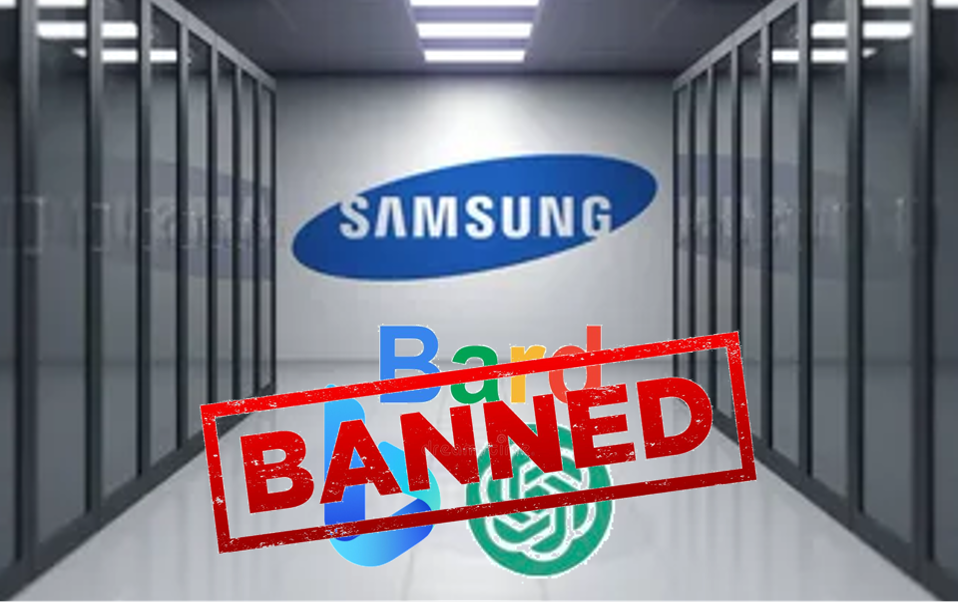
In recent weeks, Samsung, one of the world‘s leading technology companies, made headlines by temporarily banning its employees from using popular generative AI tools like ChatGPT, Google Bard, and Bing. This move, prompted by the accidental leak of sensitive internal data from Samsung to ChatGPT, has reignited the conversation about the potential security risks associated with the rapid advancement of artificial intelligence technologies. As businesses increasingly look to harness the power of AI, Samsung‘s decision serves as a timely reminder of the need for caution and responsible practices in the face of these transformative tools.
The Risks of Generative AI: A Deep Dive
At the heart of Samsung‘s decision to ban generative AI tools lies a fundamental concern about the security and privacy of sensitive data. When employees input confidential information into tools like ChatGPT, that data is stored on external servers, potentially exposing it to unauthorized access or public disclosure. The types of data at risk are wide-ranging and can include:
- Confidential product information, such as design specifications, roadmaps, and marketing strategies
- Financial data, including sales figures, revenue projections, and budgetary information
- Employee personal information, such as contact details, performance evaluations, and salary data
- Proprietary algorithms and software code
- Customer data, including purchase histories, preferences, and feedback
The challenge for companies like Samsung lies in retrieving and deleting this data once it has been shared with external AI platforms. The lack of control over data stored on third-party servers makes it incredibly difficult to ensure complete data privacy and security. Even if data is deleted from the user-facing interface, there is a risk that it may still be used to train AI models or be retained in backup systems.
A recent survey conducted by Samsung in April 2023 underscores the growing concerns about AI security risks among employees. The survey found that 65% of participants believed that using generative AI tools posed a significant security threat to the company. This sentiment is not unique to Samsung, as evidenced by the increasing number of businesses and financial institutions that have implemented similar restrictions on the use of AI tools like ChatGPT.
The Potential Benefits and Drawbacks of In-House AI Development
In response to the security concerns surrounding third-party AI tools, Samsung has announced plans to develop its own in-house AI solutions for software development and translation purposes. This approach offers several potential benefits, including:
-
Greater control over data security: By keeping AI operations within the confines of the company‘s own systems, Samsung can more effectively monitor and manage the flow of data, reducing the risk of accidental leaks or unauthorized access.
-
Customization for specific business needs: In-house AI tools can be tailored to meet the unique requirements of Samsung‘s various business units, potentially improving efficiency and productivity.
-
Reduced reliance on external providers: Developing proprietary AI solutions can help Samsung reduce its dependence on third-party tools and minimize the risk of service disruptions or policy changes that could impact business operations.
However, the development of in-house AI tools also comes with its own set of challenges and potential drawbacks, such as:
-
Increased development costs: Building and maintaining sophisticated AI systems requires significant investments in talent, infrastructure, and computational resources.
-
Potential limitations in functionality: In-house AI tools may not have the same breadth of capabilities as established third-party platforms, which benefit from large user communities and ongoing development efforts.
-
Regulatory compliance: As AI technologies become more heavily regulated, companies developing their own AI tools will need to navigate a complex landscape of legal and ethical requirements.
Despite these challenges, the trend towards in-house AI development is likely to continue as more companies seek to balance the benefits of AI with the need for robust data protection measures. A 2023 survey by Gartner found that 45% of organizations plan to invest in developing their own AI capabilities over the next three years, up from 30% in 2020.
The Role of AI Companies in Addressing Privacy and Security Concerns
As businesses grapple with the security implications of generative AI, the onus also falls on the developers of these technologies to address the pressing concerns surrounding privacy and data protection. OpenAI, the company behind ChatGPT, has been actively working to tackle some of the more controversial issues associated with generative AI tools. In response to data privacy concerns raised in Italy, OpenAI recently introduced new privacy controls and measures, leading to the resumption of ChatGPT services in the country.
These measures include:
-
Improved data handling practices: OpenAI has committed to implementing stricter data retention policies and providing users with greater control over their data, including the ability to request data deletion.
-
Enhanced transparency: The company has pledged to provide clearer information about its data collection and usage practices, as well as the potential risks associated with using its AI tools.
-
Collaboration with regulators and policymakers: OpenAI has expressed its willingness to work with government agencies and industry stakeholders to develop appropriate guidelines and regulations for the responsible use of AI technologies.
As the AI industry continues to evolve, it is crucial for companies like OpenAI to maintain an ongoing dialogue with businesses, policymakers, and the public to ensure that the development and deployment of these technologies are aligned with societal values and expectations.
The Long-Term Implications of Generative AI in the Workplace
The increasing use of generative AI tools in the workplace has far-reaching implications for businesses and employees alike. As these technologies become more sophisticated and integrated into various aspects of work, they have the potential to transform job roles, skill requirements, and organizational structures. Some of the key implications include:
-
Changes in job roles and skill requirements: As AI tools automate certain tasks and processes, employees will need to develop new skills and adapt to evolving job roles. This may require ongoing training and education to ensure that workers can effectively collaborate with and leverage AI technologies.
-
Impact on employee privacy and autonomy: The use of AI tools in the workplace raises concerns about employee privacy and the potential for monitoring and surveillance. Companies will need to strike a delicate balance between leveraging AI for productivity gains and respecting employees‘ rights and autonomy.
-
Shifts in organizational culture: The adoption of AI technologies may lead to changes in organizational culture, including a greater emphasis on data-driven decision-making, collaboration between humans and machines, and continuous learning and adaptation.
To navigate these challenges and opportunities, companies will need to develop comprehensive strategies for responsible AI adoption that prioritize data security, employee well-being, and ethical considerations. This may involve:
- Implementing strict access controls and monitoring systems to prevent unauthorized use of AI tools
- Regularly auditing data handling practices to ensure compliance with privacy regulations and best practices
- Providing employees with training and resources to help them understand the potential risks and benefits of AI technologies
- Fostering a culture of transparency and open communication around AI adoption and its impact on the workplace
The Need for Industry Standards and Regulation
As the use of generative AI tools becomes more widespread, there is a growing need for industry standards and regulations to ensure responsible development and deployment of these technologies. Collaboration between companies, AI developers, and policymakers will be essential to establishing a framework for the ethical and secure use of AI in the workplace.
Some key areas where industry standards and regulations are needed include:
-
Data privacy and security: Establishing clear guidelines for the collection, storage, and use of data by AI systems, including requirements for data encryption, access controls, and user consent.
-
Transparency and accountability: Ensuring that AI systems are developed and deployed in a transparent manner, with clear documentation of their capabilities, limitations, and potential risks.
-
Fairness and non-discrimination: Developing standards to prevent AI systems from perpetuating or amplifying biases based on factors such as race, gender, or age.
-
Liability and redress: Clarifying the legal responsibilities of companies and developers in the event of AI-related security breaches, privacy violations, or other harms.
Examples of existing regulations and initiatives that could serve as models for the AI industry include:
- The General Data Protection Regulation (GDPR) in the European Union, which sets strict requirements for the handling of personal data and gives individuals greater control over their information.
- The Health Insurance Portability and Accountability Act (HIPAA) in the United States, which establishes national standards for the protection of sensitive patient health information.
- The Partnership on AI, a multi-stakeholder organization that brings together leading technology companies, academic institutions, and non-profit organizations to develop best practices for the responsible development and use of AI.
By working together to establish industry standards and regulations, companies, AI developers, and policymakers can help ensure that the benefits of generative AI are realized while minimizing the risks to data privacy, security, and societal well-being.
Conclusion
Samsung‘s decision to ban its employees from using generative AI tools like ChatGPT, Google Bard, and Bing has brought the issue of AI security to the forefront of public attention. As businesses increasingly look to leverage the power of AI for productivity gains and innovation, it is crucial to approach this transformation with caution, forethought, and a commitment to responsible practices.
Developing in-house AI solutions, as Samsung has announced plans to do, offers one potential path forward for companies seeking to balance the benefits of AI with the need for data protection. However, this approach also comes with its own set of challenges and limitations, underscoring the need for ongoing collaboration and dialogue between businesses, AI developers, and policymakers.
Ultimately, the successful adoption of generative AI in the workplace will require a multi-faceted approach that prioritizes data security, employee well-being, and ethical considerations. By investing in employee education and awareness, implementing robust security measures, and working towards industry standards and regulations, companies can unlock the vast potential of these technologies while safeguarding the privacy and security of individuals and organizations alike.
As we move forward in the age of AI, it is essential to remember that the development and deployment of these powerful tools must be guided by a strong moral compass and a commitment to the greater good. Only by approaching this transformation with care, responsibility, and a deep respect for human values can we truly harness the power of AI to build a better, more equitable future for all.


![[[2 3 4]](https://33rdsquare.com/wp-content/uploads/2024/12/20241203020639-674e67af479c9-768x380.jpg)

