
Schapso (Lhasa Apso & Miniature Schnauzer Mix): Pictures, Guide, Info & Care!
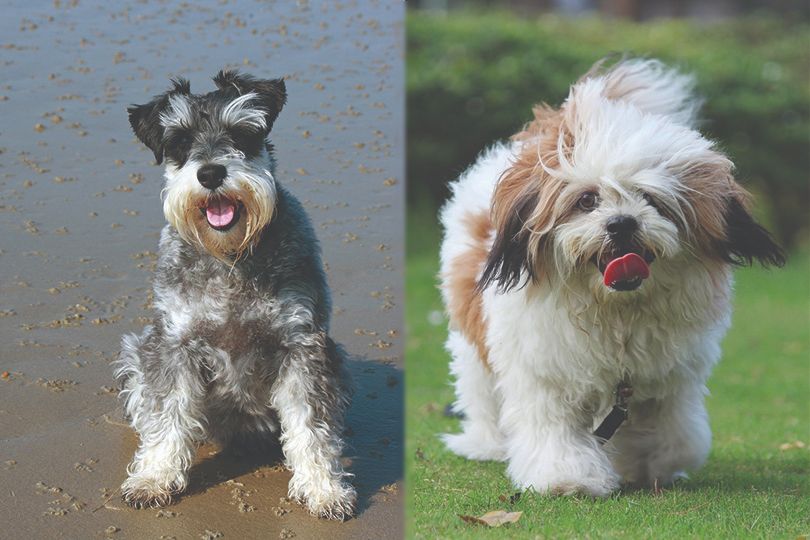
If you‘re looking for a small, scruffy pup with a big personality to be your devoted companion, the Schapso may be your perfect match. This designer dog brings together the regal Lhasa Apso and the spunky Miniature Schnauzer to create an affectionate, lively, and loyal canine sidekick.
Sometimes called "Velcro dogs," Schapsos form extremely close bonds with their humans and always want to be near your side – whether that means going on walks, playing in the yard, or snuggling up on the couch. Their fun-loving, happy-go-lucky natures and cute shaggy looks are sure to bring a smile to your face.
Thinking about welcoming a Schapso into your life? In this comprehensive guide, we‘ll tell you everything you need to know about these charming little dogs, from their history and personality to their grooming and training needs. By the end, you‘ll have a clear idea if this is the right breed for you.
Schapso History & Origins
The Schapso is a relatively new hybrid dog breed, first intentionally developed in the United States within the last 20-30 years. As a "designer dog," they are not recognized by major purebred registries like the AKC, but are gaining popularity among fans of small companion dogs.
The Schapso‘s parents both have very different histories:
-
Lhasa Apso: These small, shaggyhaired dogs have an ancient and noble lineage, originally serving as sentinels at palaces and Buddhist monasteries in Tibet as far back as 800 B.C. Lhasas were considered sacred and believed to bring good fortune. For centuries, they could only be owned by elite religious and noble families. It wasn‘t until the 1920s that Lhasas made their way to the West.
-
Miniature Schnauzer: The smallest of the three Schnauzer breeds, Miniature Schnauzers were developed in Germany in the late 1800s by breeding the Standard Schnauzer down in size. They became popular ratters and all-around farm dogs. With their bearded faces and smart, feisty personalities, Miniature Schnauzers make excellent companions and competitors in canine sports.
Combining these two very different breeds results in a small, scruffy, affectionate pup with a lively, playful personality and loyal, devoted nature. While their exact origins are unclear, hybrid dogs like the Schapso are often created by breeders looking to bring together the best qualities of each parent breed while minimizing potential health issues.
What Does a Schapso Look Like?
Schapsos are small dogs, typically standing 10-14 inches tall at the shoulder and weighing 12-20 pounds when fully grown, with males slightly larger than females. Since they are a hybrid breed, their appearance can vary, with some favoring their Lhasa Apso parent and others taking after the Miniature Schnauzer.
Most often, Schapsos inherit a dense, shaggy double coat from both parents, which may be wavy or straight in texture. Their fur is about 2-4 inches long all over the body, usually longer around the head, ears, legs and belly. Common coat colors include black, white, gray, brown, and particolors like black and white or brown and white. Some have the distinctive Schnauzer beard and eyebrows.
Schapsos have small, sturdy frames with short muzzles, pendant ears, and long, plumed tails that curl over the back. Their round dark eyes have an alert, inquisitive expression. Overall, they have a cute, scruffy look with lots of fur and charmingly disheveled "puppy dog eyes."
Schapso Temperament & Personality
The Schapso‘s personality is just as adorable as their shaggy appearance. Affectionate, playful, and happy-go-lucky, these little dogs have big hearts and love nothing more than being with their favorite humans. They tend to form very close bonds with their owners and always want to be close by, earning them the nickname "Velcro dogs."
Lively and inquisitive, Schapsos have a zest for life and tons of personality packed into their small frames. They‘re quick to sound the alarm at any new sights or sounds, but are more likely to greet visitors with enthusiastic face licks than any real guarding. These social, people-loving pups thrive on attention and togetherness.
While generally good-natured, Schapsos can inherit an independent, stubborn streak from their Lhasa Apso lineage. They‘re smart dogs but may have their own ideas about things and need positive, reward-based training from a patient owner. Early socialization is also important to counteract any suspicious or bossy tendencies.
Thanks to the Miniature Schnauzer influence, some Schapsos have a strong prey drive and like to chase small animals. They have a moderate energy level and love to play, but are also just as happy snuggling on the sofa. Daily walks and regular playtimes will keep them fit and happy.
At the end of the day, Schapsos just want to be with their people. They make wonderful companions for singles, couples, and families looking for a pint-sized pal to share their lives and adventures, whether big or small.
Training Your Schapso
To bring out the best in your Schapso‘s fun-loving, people-pleasing personality, early training and socialization are a must. Like any dog, Schapsos need patient, consistent training with lots of positive reinforcement to learn good manners and obedience.
Because of their sensitive natures, harsh corrections will only damage your Schapso‘s trust in you. Keep training sessions short, upbeat, and full of praise and yummy treats to motivate them to learn. Being highly food-driven, Schapsos respond well to reward-based methods.
Despite their small size, it‘s still important to teach your Schapso basic cues like sit, down, come, and stay. Housetraining is also essential from a young age. These intelligent dogs are definitely trainable but may have an independent mind of their own sometimes, so persistence and consistency are key.
Socialization is another crucial part of your Schapso‘s education. Exposing them to lots of new people, dogs, sights, and sounds from an early age will help them grow into a confident, well-mannered dog. Puppy classes are a great way for your Schapso to learn important social skills while having fun.
With their bond to their owners, Schapsos may be prone to separation anxiety if left alone too much. Crate training can help them feel secure when you‘re away, but these companion dogs do best with someone around for most of the day. They‘ll also need ways to stay mentally stimulated, like puzzle toys and short training sessions.
Schapso Exercise & Activity Levels
The Schapso‘s moderate energy levels mean they don‘t need a ton of exercise, but still enjoy being active with their owners. Daily walks and regular play sessions are important for both their physical and mental well-being.
Most Schapsos will be happy with a 20-30 minute walk and some playtime each day. They love to go exploring with their owners, whether that‘s trips to the dog park, hikes on local trails, or just sniffing around the neighborhood. Playing in a securely fenced yard is another great way for them to burn off energy.
True to their Schnauzer heritage, Schapsos tend to have a strong prey drive, so they may want to chase after squirrels, birds, and other small critters. Always walk them on a leash and work on a solid recall cue in case they take off after something exciting.
While not extremely high-energy dogs, Schapsos do best with regular activity and can become bored and destructive if left to their own devices too much. Mental stimulation is just as important as physical exercise – training sessions, puzzle feeders, and games like hide-and-seek will keep their clever brains engaged.
At the end of a long walk or play session, your Schapso will be more than ready to curl up next to you for a cuddle and a nap. These affectionate dogs love nothing more than relaxing with their favorite humans, and their small size makes them great apartment pets and lap dogs.
Grooming Your Schapso
One look at the Schapso‘s dense, shaggy coat tells you that these dogs need regular grooming to look their best. Schapsos typically have thick, double coats about 2-4 inches long that can be either wavy or straight in texture. They shed moderately year-round, with heavier shedding seasons in spring and fall.
To keep your Schapso‘s coat healthy and tangle-free, plan on brushing them at least 2-3 times a week, and more often during heavier shedding periods. A pin brush and metal comb will help remove loose fur and dirt while working out any mats or tangles. Spritzing the coat lightly with water or detangler can make brushing easier.
The Schapso‘s scruffy face may need some extra attention to keep it clean and neat. Bearded Schapsos can collect food and debris in their facial fur. Wipe their beard with a damp cloth after meals and brush it out a few times a week. You may need to trim the hair around their eyes if it starts to obstruct their vision.
Monthly baths will help keep your Schapso clean and fresh-smelling. Use a gentle, dog-specific shampoo and make sure to rinse thoroughly to prevent skin irritation. Towel dry and brush out the coat afterward.
Other grooming needs include regular ear cleaning, tooth brushing, and nail trims. Check your Schapso‘s ears weekly for wax buildup, dirt, and signs of infection. Brush their teeth daily, or at least a few times a week, to prevent dental disease. Trim their nails every 3-4 weeks, or as needed, to keep them short and neat.
With consistent grooming, your Schapso‘s soft, fluffy coat will stay healthy and huggable. While it takes some upkeep, grooming is a great opportunity to bond with your dog and can be a relaxing, enjoyable activity for both of you.
Schapso Health & Lifespan
Like many hybrid dog breeds, Schapsos may be prone to some of the same health issues that affect their Lhasa Apso and Miniature Schnauzer parents. While mixed breed dogs are often healthier than their purebred counterparts, it‘s still important for owners to be aware of these potential concerns.
Some health problems seen in Schapsos include:
- Eye issues like progressive retinal atrophy, dry eye, and cherry eye
- Urinary stones and bladder infections
- Patellar luxation (dislocated kneecaps)
- Hip dysplasia
- Allergies and skin problems
- Dental disease
- Hypothyroidism
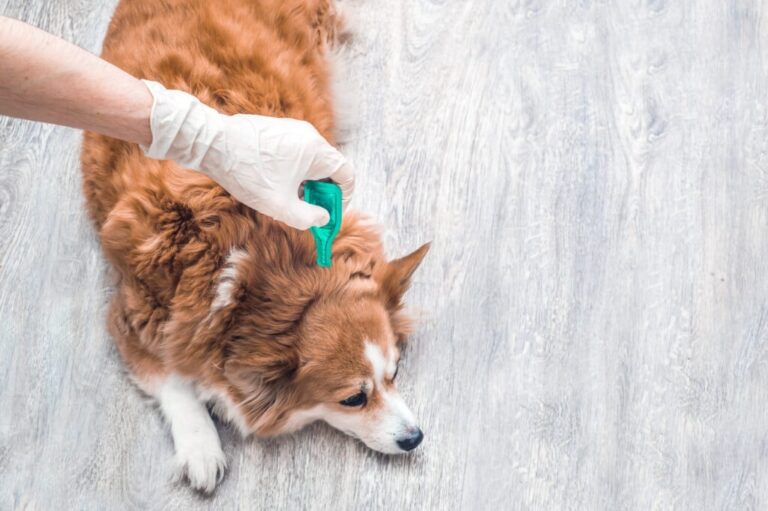
Reputable breeders will health test their Schapso parents to avoid passing on preventable genetic issues to their puppies. As a Schapso owner, the best things you can do are feed a high-quality diet, keep up with preventative care like vaccines and parasite control, and schedule regular vet checkups to catch any problems early.
With good care, Schapsos generally live between 12-15 years. By staying on top of their health and well-being, you can help your Schapso live a long, happy, healthy life by your side.
Is a Schapso Right For You?
Schapsos can make wonderful companions for the right owners. With their outgoing, affectionate personalities and moderate exercise needs, they can adapt well to many different homes and lifestyles. A Schapso may be a good fit for you if:
- You‘re looking for a small, cuddly lap dog to share your life
- You‘re able to be home with your dog for most of the day or have a flexible schedule
- You enjoy regular walks and outings with your canine companion
- You don‘t mind putting in the time to keep up with regular grooming
- You have a positive, patient approach to training and socialization
- You‘re looking for a dog suited to apartment or condo living
- You want an outgoing dog to share adventures big and small
On the other hand, a Schapso may not be right for you if:
- You work very long hours and are rarely home during the day
- You prefer a very laid-back, low-key dog that barely sheds
- You want a totally hypoallergenic or non-shedding dog
- You need a dog that can be left alone for long periods without anxiety
- You aren‘t able to commit to regular training, socialization, and grooming
- You prefer a quiet, independent dog that doesn‘t need much attention
By considering your own lifestyle and the Schapso‘s unique needs, you‘ll be able to decide if this adorable scruffy-faced pup is your perfect match. With their huge hearts and playful, loyal personalities, Schapsos have so much love and joy to bring to the right home.


:%20Pictures,%20Guide,%20Info%20&%20Care!)