The Ultimate Guide to the Best Dog Ear Cleaning Solutions: A Dog Lover‘s Perspective
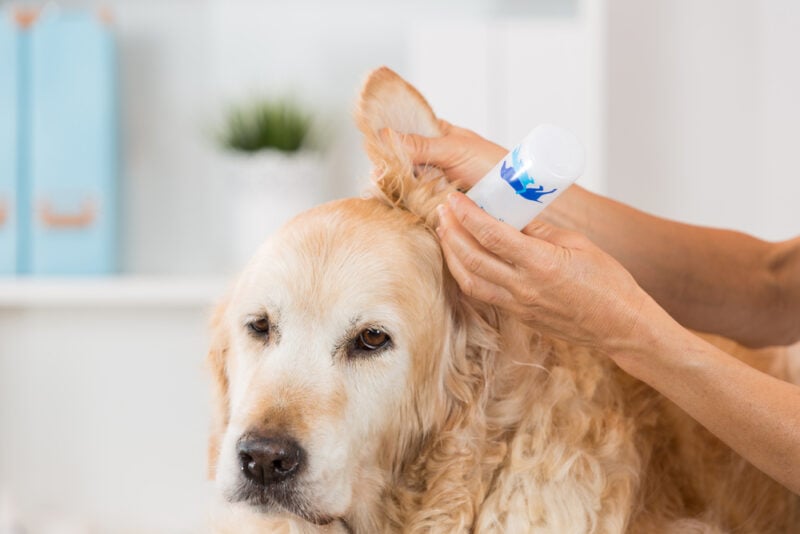
As a dog lover, you know that your furry friend‘s health and happiness are of the utmost importance. One aspect of canine care that often goes overlooked is ear hygiene. Just like humans, dogs can suffer from ear infections, wax buildup, and other ear-related issues that can cause discomfort and even hearing loss if left untreated. That‘s why regular ear cleaning is a crucial part of your dog‘s grooming routine. In this ultimate guide, we‘ll explore the world of dog ear cleaning solutions, sharing expert advice, product recommendations, and practical tips to help you keep your pup‘s ears clean and healthy.
Understanding Your Dog‘s Ears: Anatomy and Susceptibility
To understand why dogs are prone to ear problems, it‘s essential to know a bit about their ear anatomy. Unlike human ears, dogs have long, L-shaped ear canals that can easily trap dirt, debris, and moisture. This unique structure makes them more susceptible to bacterial and yeast infections, as well as wax buildup. Moreover, certain breeds with floppy ears, such as Cocker Spaniels and Basset Hounds, are at an even higher risk of ear issues due to the lack of air circulation in their ear canals.
According to a study published in the Journal of Veterinary Internal Medicine, ear infections are one of the most common reasons for veterinary visits, with an estimated 20% of dogs experiencing an ear infection at some point in their lives. Furthermore, the study found that dogs with allergies or autoimmune disorders are more likely to develop chronic ear infections, highlighting the importance of regular ear cleaning as a preventive measure.
Types of Dog Ear Cleaning Solutions: Navigating the Options
When browsing the pet store aisles or online marketplaces, you‘ll come across various types of ear cleaning solutions for dogs. Here‘s a breakdown of the most common options:
-
Medicated vs. Non-Medicated: Medicated ear cleaners contain active ingredients like antibiotics or antifungals to treat existing infections, while non-medicated solutions are designed for regular maintenance and prevention.
-
Liquid vs. Powder: Liquid ear cleaners are the most popular choice and can be easily applied using a cotton ball or pad. Powder cleaners, on the other hand, are sprinkled into the ear canal and massaged to absorb excess moisture and promote drying.
-
Enzymatic Cleaners: These solutions contain enzymes that break down wax and debris, making them particularly effective for dogs with heavy buildup or those prone to recurrent infections.
-
Drying Agents: Some ear cleaners include drying agents like boric acid or alcohol to help evaporate moisture and prevent the growth of bacteria and yeast.
When selecting an ear cleaner for your dog, it‘s essential to consider their individual needs, such as breed, lifestyle, and any existing ear issues. Consult with your veterinarian for personalized recommendations.
Key Ingredients in Effective Ear Cleaners: What to Look For
Not all ear cleaning solutions are created equal. To ensure you‘re using a product that effectively promotes ear health, look for these key ingredients recommended by veterinarians:
-
Salicylic Acid: This beta-hydroxy acid helps to dissolve wax and exfoliate dead skin cells, preventing buildup in the ear canal.
-
Lactic Acid: As a mild antibacterial agent, lactic acid helps to maintain the ear‘s natural pH balance and inhibit the growth of harmful microorganisms.
-
Aloe Vera: Known for its soothing and moisturizing properties, aloe vera can help reduce irritation and inflammation in the ear canal.
-
Propylene Glycol: This ingredient acts as a carrier, facilitating the penetration of active ingredients into the ear canal for optimal efficacy.
-
Antifungal or Antibacterial Agents: Medicated ear cleaners may contain ingredients like ketoconazole or chlorhexidine to combat fungal or bacterial infections.
By choosing an ear cleaner with a combination of these ingredients, you can effectively remove wax and debris, maintain a healthy ear environment, and prevent or treat minor infections.
Step-by-Step Guide: How to Properly Clean Your Dog‘s Ears
Cleaning your dog‘s ears may seem daunting at first, but with the right technique and a little patience, it can become a stress-free part of your grooming routine. Follow these steps for optimal results:
-
Gather Your Supplies: You‘ll need a high-quality ear cleaning solution, cotton balls or pads, and a towel. Avoid using cotton swabs or Q-tips, as they can push debris further into the ear canal and cause injury.
-
Position Your Dog: Have your dog sit or lie down in a comfortable position. If necessary, enlist the help of a second person to gently restrain your pup and keep them calm.
-
Apply the Solution: Squeeze a liberal amount of the ear cleaner into the ear canal, filling it up. Be careful not to touch the tip of the bottle to the ear, as this can introduce bacteria.
-
Massage the Ear: Gently massage the base of the ear for 20-30 seconds to help the solution break up wax and debris. You may hear a squishing sound, which is normal.
-
Let Your Dog Shake: Stand back and allow your dog to shake their head, which will help dislodge any remaining solution and debris from the ear canal.
-
Wipe the Ear: Using a clean cotton ball or pad, gently wipe the visible part of the ear canal and the inside of the ear flap. Avoid pushing too deeply into the canal, as this can cause discomfort or injury.
-
Reward Your Dog: Give your furry friend plenty of praise and a tasty treat for being a good patient! This will help create a positive association with ear cleaning and make future sessions easier.
| Ear Cleaning Frequency | Dog Breed Examples |
|---|---|
| Weekly | Cocker Spaniels, Basset Hounds, Labradoodles |
| Every 2 Weeks | Beagles, Golden Retrievers, Poodles |
| Monthly | German Shepherds, Chihuahuas, Greyhounds |
Note: The above table provides general guidelines, but the actual frequency of ear cleaning may vary based on your dog‘s individual needs and health status. Consult with your veterinarian for personalized recommendations.
Top Veterinarian-Recommended Ear Cleaning Solutions
With numerous ear cleaning products available on the market, it can be challenging to know which one to choose. Here are some of the best dog ear cleaners that veterinarians swear by:
| Product | Key Features | Pros | Cons |
|---|---|---|---|
| Virbac Epi-Otic Advanced Ear Cleaner | Non-irritating, alcohol-free, drying agent | Gentle, effective for routine cleaning | May not be strong enough for severe infections |
| Zymox Otic Pet Ear Treatment with Hydrocortisone | Enzymes, hydrocortisone | Treats bacterial and yeast infections | Requires a prescription in some countries |
| Dechra DermaPet Malacetic Otic Cleanser | Acetic and boric acid | Ideal for chronic ear infections | Strong odor, may cause temporary stinging |
| Nutri-Vet Ear Cleanse for Dogs | Aloe vera, vitamin E | Soothes irritated ears, non-drying | May not be effective for heavy wax buildup |
| TrizULTRA + Keto Flush | Ketoconazole, tromethamine | Potent against fungal and bacterial infections | Expensive, requires veterinary supervision |
When selecting an ear cleaner for your dog, consider their specific needs and consult with your veterinarian for personalized advice. Remember, while these products are highly effective, they should not be used as a substitute for proper veterinary care in the case of severe or persistent ear issues.
Natural and Homemade Ear Cleaning Remedies: A Gentle Approach
For dog owners who prefer a more natural approach to ear cleaning, there are several safe and effective homemade remedies worth trying. These solutions can be used for regular maintenance, but should not replace veterinary treatment for active infections.
-
Witch Hazel and Apple Cider Vinegar: Mix equal parts witch hazel and apple cider vinegar, and apply a few drops to the ear canal. The acidity of the vinegar helps to restore the ear‘s natural pH balance, while witch hazel has antimicrobial properties.
-
Coconut Oil: Melt a small amount of coconut oil and apply it to the ear canal. Coconut oil has natural antibacterial and antifungal properties that can help combat minor infections and soothe irritated skin.
-
Green Tea: Steep a green tea bag in hot water, allow it to cool, and apply a few drops to the ear canal. Green tea contains antioxidants and has anti-inflammatory properties that can help reduce swelling and discomfort.
When using homemade ear cleaners, be sure to monitor your dog‘s reaction closely and discontinue use if you notice any signs of irritation or discomfort. If your dog‘s ear issues persist or worsen, consult with your veterinarian for proper treatment.
Signs Your Dog‘s Ears Need Cleaning or Medical Attention
As a responsible dog owner, it‘s essential to be aware of the signs that indicate your furry friend‘s ears need cleaning or medical attention. Keep an eye out for the following symptoms:
-
Excessive scratching or pawing at the ears: If your dog is constantly scratching or rubbing their ears, it may be a sign of irritation, infection, or a foreign object lodged in the ear canal.
-
Redness or swelling in the ear canal: Inflammation is a common sign of infection or allergic reaction. If you notice redness or swelling in your dog‘s ears, it‘s time for a closer inspection.
-
Dark brown or black discharge: A normal, healthy ear will have little to no discharge. If you notice a dark, waxy substance in your dog‘s ears, it could indicate the presence of ear mites or a yeast infection.
-
Strong, foul odor: A pungent smell coming from your dog‘s ears is a telltale sign of infection. The odor may be accompanied by visible discharge or redness.
-
Crusty or scabby skin inside the ear flap: Dry, flaky skin in the ears can be a result of allergies, mites, or a bacterial infection.
-
Head shaking or tilting: If your dog is repeatedly shaking their head or tilting it to one side, it may be a sign of discomfort or an underlying ear issue.
If you notice any of these symptoms, it‘s crucial to take action promptly. Begin by cleaning your dog‘s ears with a veterinarian-approved solution, and monitor their condition closely. If the symptoms persist or worsen, schedule an appointment with your veterinarian for a thorough examination and appropriate treatment.
Preventive Measures for Optimal Ear Health
In addition to regular cleaning, there are several preventive measures you can take to maintain your dog‘s ear health and reduce the risk of infections:
-
Keep the ears dry: Moisture is a breeding ground for bacteria and yeast. After swimming or bathing, use a soft towel to gently dry your dog‘s ears, paying extra attention to the ear flaps and canal opening.
-
Manage hair growth: For long-haired breeds or dogs with excessive hair in the ears, regular trimming or plucking can improve air circulation and prevent moisture retention. Consider seeking the help of a professional groomer for this task.
-
Use a protective ear solution: Before swimming or bathing, apply a few drops of a veterinarian-recommended ear drying solution to help repel water and maintain the ear‘s natural pH balance.
-
Maintain a healthy diet: Feed your dog a balanced, high-quality diet rich in essential nutrients, including omega-3 fatty acids. These healthy fats can help reduce inflammation in the body, including the ears.
-
Schedule regular check-ups: During your dog‘s annual or semi-annual veterinary visits, have their ears examined for any signs of infection, wax buildup, or foreign objects. Early detection and treatment can prevent minor issues from escalating into more serious problems.
By incorporating these preventive measures into your dog‘s care routine, you can significantly reduce the risk of ear infections and promote long-term ear health.
Common Ear Cleaning Mistakes to Avoid
Even with the best intentions, dog owners can sometimes make mistakes when cleaning their furry friend‘s ears. To ensure a safe and effective cleaning experience, avoid these common pitfalls:
-
Using cotton swabs: Never use cotton swabs or Q-tips to clean your dog‘s ears, as they can push debris further into the canal and cause injury to the delicate inner ear structures.
-
Over-cleaning: Cleaning your dog‘s ears too frequently can strip away the natural oils that protect the skin and lead to irritation. Unless directed otherwise by your veterinarian, stick to a cleaning schedule that aligns with your dog‘s individual needs.
-
Ignoring signs of infection: If you notice symptoms of an ear infection, such as redness, swelling, or discharge, don‘t attempt to treat it with regular ear cleaning alone. Seek veterinary care to ensure proper diagnosis and treatment.
-
Using human ear cleaners: Never use ear cleaning solutions designed for humans on your dog, as they may contain ingredients that are harmful or irritating to canine ears. Always choose products specifically formulated for dogs.
-
Applying too much pressure: When massaging the ear canal or wiping the ears, use gentle pressure to avoid causing pain or injury. If your dog shows signs of discomfort or resists the cleaning process, take a break and consider trying again later with a gentler approach.
By avoiding these mistakes and following the guidelines outlined in this comprehensive guide, you can ensure a safe, effective, and stress-free ear cleaning experience for both you and your beloved dog.
The Bottom Line
As a dog lover, you understand the importance of maintaining your furry companion‘s overall health and well-being. By prioritizing regular ear cleaning and following the expert advice outlined in this guide, you can help prevent painful infections, reduce the risk of hearing loss, and keep your dog‘s ears clean and healthy for years to come.
Remember, the key to successful ear cleaning is finding the right products, techniques, and frequency for your dog‘s individual needs. Don‘t hesitate to consult with your veterinarian for personalized recommendations and guidance, especially if you suspect an ear infection or notice any signs of discomfort.
With patience, consistency, and a gentle touch, you can make ear cleaning a positive and rewarding experience for both you and your furry friend. By taking an active role in your dog‘s ear health, you demonstrate your deep love and commitment to their well-being, ensuring that they can enjoy a happy, healthy life by your side.