
Springador (Springer Spaniel & Labrador Mix): Guide, Pictures, Info, Care & More

An Adorable Mix of Two Popular Breeds: All About the Springador
Are you looking for an active, intelligent and friendly canine companion? If so, the lovable Springador may be the perfect pooch for you! This charming crossbreed combines two of the most popular dog breeds – the English Springer Spaniel and the Labrador Retriever – into one irresistible package. With their easygoing personalities, trainability and love of human company, it‘s no wonder that Springadors have won the hearts of many dog lovers.
Whether you‘re an experienced dog owner or a first-time adopter, learning all about the breed is essential before bringing home your new furry friend. In this comprehensive guide, we‘ll cover everything you need to know about the Springador, from their history and physical characteristics to grooming needs and health concerns. By the end, you‘ll have a good idea if this is the right breed for your lifestyle and family. Let‘s dive in!
History of the Springador Breed
The Springador is still a relatively new crossbreed, having originated in the late 20th century. As a mix between an English Springer Spaniel and a Labrador Retriever, this hybrid inherits the best traits from both parent breeds, which were originally bred as hunting companions.
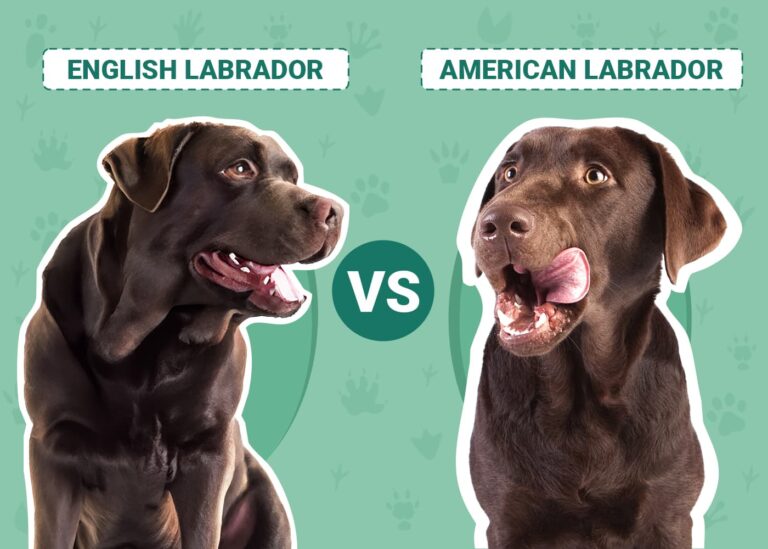
The Labrador Retriever side contributes its famously friendly personality, high intelligence and strong work ethic. Labs served as hunting companions as well as all-around working dogs used for activities like bomb and drug detection. On the other hand, the English Springer Spaniel brings its athletic build, eager-to-please attitude and keen nose – skills that made them prized bird dogs used to "spring" game fowl for hunters.
Combining the desirable traits of these purebreds results in the versatile Springador – an affectionate family pet with the smarts and work drive to excel in canine sports, therapy work and more. While still not recognized by major kennel clubs like the AKC, this hybrid has been steadily growing in popularity among dog lovers who appreciate its winning personality.
Physical Characteristics of the Springador
The Springador‘s appearance can vary somewhat since it is a mixed breed, but in general, you can expect a medium-to-large sized dog with an athletic build. A full-grown Springador typically stands 19-24 inches tall at the shoulder and weighs between 50-90 pounds, with males being larger than females.
Their coats are usually medium length, dense and wavy with feathering on the chest, belly, ears and legs. The most common coat colors are black, liver, and various shades of gold and yellow, sometimes with white markings. Their coats shed moderately year-round and more heavily during shedding season. Regular brushing will help keep loose fur under control.
Springadors have friendly, expressive faces with roundish heads, medium length muzzles, and almond-shaped eyes that radiate warmth and intelligence. Their ears are pendant shaped and their long, otter-like tails are usually carried upright with a slight curve. Overall, Springadors have the sturdy, muscular bodies needed to work all day in the field or play energetically with their humans.
The Springador Temperament
One of the Springador‘s greatest strengths is its good-natured, people-oriented personality. These dogs simply adore their humans and want nothing more than to spend time with their "pack." They are known for their goofy sense of humor, lighthearted antics and tendency to maintain a puppy-like attitude well into adulthood.
As with both parent breeds, Springadors tend to get along well with people of all ages, including respectful children. Proper socialization is still important to ensure your pup grows into a well-adjusted adult dog. These intelligent dogs are usually quick learners and eager to please, which makes training a fun bonding activity.
While not suited for guard dog duty due to their overly friendly nature, Springadors can still make alert watchdogs who will bark to let you know when someone is at the door. These social butterflies enjoy making new human and canine friends, but some can be reserved around strangers at first. Again, socialization is key to building confidence.
With their boundless energy and zest for life, Springadors are best suited for active households where they will receive plenty of attention and exercise. They thrive when they feel like an integral part of the family and can become anxious if left alone for long periods too often. For the right person or family, the happy-go-lucky Springador will be an entertaining and devoted companion.
Exercise and Activity Needs
The Springador is definitely not a couch potato type of dog! As the offspring of two high-energy hunting breeds, these athletic dogs need lots of daily exercise to stay physically and mentally satisfied. A bored, under-exercised Springador is likely to create their own entertainment, usually in the form of destructive chewing or excessive barking.
Plan to give your Springador at least one hour of vigorous exercise per day, broken up into several sessions. Long walks, hikes, swimming, and high-energy play like fetch will help them burn off energy. Many also excel at canine sports such as agility, dock diving and flyball. Mental stimulation through puzzle toys, nose work games and obedience training is also important.
If you live a more sedentary lifestyle, this may not be the breed for you. Springadors are usually too rambunctious for apartment life and do best with a securely fenced yard where they can run and play. Adequate exercise is truly key to a happy, well-behaved Springador.
Training Your Springador
The Springador‘s intelligence and desire to please make them highly trainable dogs that are a great choice for first-time owners. Start training early and be consistent with positive reinforcement methods like praise, play and treats. Harsh corrections are unnecessary and can damage your bond.
Puppies will benefit from enrolling in a reward-based obedience class where they can start learning basic commands and manners while socializing with other dogs. Continue training your Springador throughout their life to keep them mentally stimulated and well-behaved. Many enjoy learning tricks and taking on more advanced training.
While generally agreeable, Springadors can have an independent (some might say stubborn) streak, especially during adolescence. Be patient yet firm to establish yourself as a capable leader. Giving your Springador a "job" to do, whether it‘s fetching the newspaper or performing canine sports, will keep them focused and out of trouble.
Grooming a Springador
The Springador‘s dense double coat sheds moderately throughout the year and more heavily as the seasons change. Brush them at least a few times a week and daily during periods of heavier shedding to remove loose fur before it ends up all over your clothing and furniture. A de-shedding tool can also help.
In addition to regular brushing, trim your Springador‘s nails every few weeks or as needed to prevent painful overgrowth. Long ear flaps make them prone to ear infections, so check and clean their ears weekly to remove any wax or debris. Brush their teeth daily, or at minimum a few times a week, to maintain good oral hygiene.
Springadors are moderate maintenance when it comes to grooming, but they do need regular bathing, especially if they spend a lot of time playing outdoors and swimming. Use a gentle, dog-specific shampoo to avoid drying out their skin and coat. Overall, expect to spend a fair amount of time on grooming to keep your Springador clean and comfortable.
Potential Springador Health Concerns
As a hybrid breed, Springadors may be prone to some of the same health issues that affect their parent breeds. While generally a healthy crossbreed with a lifespan of 10-15 years, it‘s important to be aware of potential problems. Some health conditions seen in Springadors include:
- Hip and elbow dysplasia
- Eye disorders like progressive retinal atrophy and cataracts
- Ear infections
- Skin allergies
- Hypothyroidism
- Gastric dilatation-volvulus (bloat)
Of course, not all Springadors will develop these health issues, but it‘s wise to familiarize yourself with symptoms. Choosing a responsible breeder who health tests breeding stock can help minimize risks. Providing your dog with a nutritious diet, plenty of exercise, and regular vet check-ups will also help them maintain good health.
Is a Springador Right For You?
The fun-loving Springador can be a wonderful companion for active singles, couples and families who can keep up with their exercise needs. If you enjoy spending lots of time outdoors hiking, running, swimming or playing, this could be the breed for you! Their goofy antics and signature "Springador smile" are sure to keep you entertained.
On the flip side, Springadors are probably too energetic for households with very young children or elderly members who could accidentally get knocked down by a rambunctious dog. They would quickly become bored and destructive if left alone for long workdays in an apartment with minimal exercise. Novice owners may find their exuberance challenging without proper training.
Springadors also need quite a bit of grooming to keep shedding under control and tend to be mouthy, meaning they like to chew and carry things around in their mouths, especially when young. Providing appropriate chew toys and teaching them not to chew on belongings is a must. You should also have a relatively high tolerance for dog hair on your clothing and furniture.
For experienced dog owners willing to put in the time and effort to keep their canine companion well-exercised, well-trained and mentally enriched, the Springador can be a loyal, loving and laughter-inducing addition to the family.
Fun Springador Facts
- The Springador‘s cute name comes from combining "Springer" from the English Springer Spaniel and "ador" from the Labrador.
- The world‘s most famous Springador is arguably Marley, the adorable but unruly star of the bestselling memoir "Marley & Me" by John Grogan.
- Springadors are sometimes trained as seizure alert and diabetic alert dogs thanks to their intelligence, sensitive noses and strong bond with their humans.
- Some Springadors have webbed feet, a trait inherited from their Lab parents to help them swim more efficiently.
- The Springador‘s tendency to "spring" when excited comes from their Springer Spaniel heritage, as these hunting dogs were bred to startle birds into flight.
- Celebrity chef Rachael Ray is a fan of the Springador and has featured her dogs of this breed on her talk show.
- In 2019, a Springador named Molly saved her owner‘s life by alerting the family when the man collapsed from a heart attack, allowing them to call 911 in time.
Springadors: Lovable Goofballs and Devoted Companions
The Springador is truly a dog that aims to please. With their outgoing, happy-go-lucky personalities and zest for life, it‘s hard not to fall in love with this entertaining crossbreed. While high-energy and in need of plenty of exercise, training and grooming, Springadors reward their families with unwavering loyalty, affection and laughter-inducing antics.
If you‘re looking for an active, outdoorsy companion to join you on all kinds of adventures, the Springador may be your ideal match. Just be prepared for a hefty dose of silliness and dog hair with your new best friend! With proper care and training, your Springador will be by your side for years of fun and cuddles.


:%20Guide,%20Pictures,%20Info,%20Care%20&%20More)