The 9 Best Coconut Oil Products for Dogs in 2026
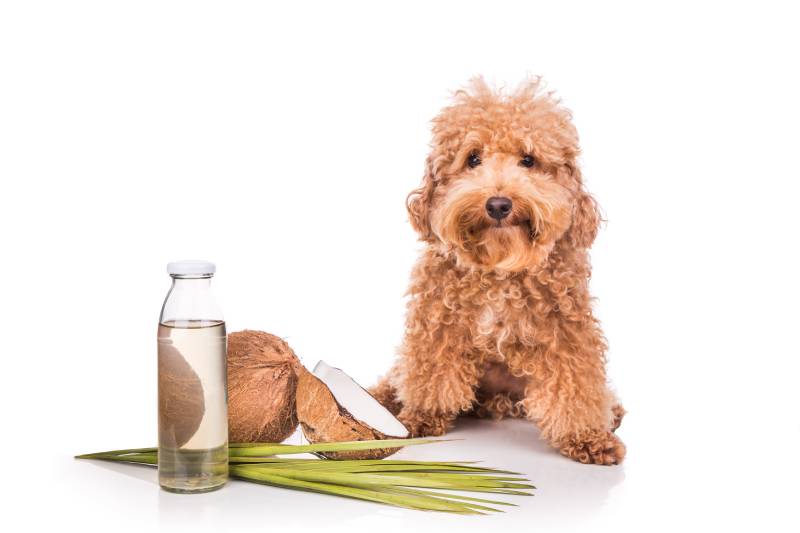
Coconut oil has become increasingly popular as a natural supplement for both humans and their canine companions in recent years. When used in moderation, coconut oil can provide a range of health benefits for dogs, supporting their skin and coat, digestion, immune system, energy levels and even brain function.
With so many different coconut oil products now available, it can be tricky for pet parents to know which ones are truly the best quality and value. In this guide, we‘ll break down the top coconut oil products for dogs in 2024, including liquids, treats, chews and more. We‘ll also provide tips for choosing the right option for your pup and administering it properly.
The Health Benefits of Coconut Oil for Dogs
Coconut oil is packed with beneficial nutrients like medium-chain fatty acids, lauric acid and vitamin E. Here are some of the ways those nutrients can support your dog‘s health and wellbeing:
Skin & Coat: The fatty acids in coconut oil help nourish and moisturize the skin, prevent dryness and irritation, and promote a shiny, healthy coat. Coconut oil can be beneficial for dogs with allergies, eczema, hot spots and other skin issues.
Digestion: Studies show that the medium-chain triglycerides (MCTs) in coconut oil can improve digestion and stool quality in dogs. Coconut oil may also help reduce inflammation in the gut.
Immune System: Over 50% of the fatty acids in coconut oil are lauric acid, which is known for its antimicrobial properties that can help protect against viruses, bacteria and fungi.
Energy & Weight: The MCTs in coconut oil are metabolized efficiently to provide a quick source of energy for dogs. This can be especially beneficial for active and working dogs. At the same time, coconut oil may help overweight dogs feel fuller and more satisfied.
Brain Function: The MCTs in coconut oil are converted by the body into ketones, which can provide energy for the brain and potentially slow cognitive decline in senior dogs. Some studies suggest that coconut oil may improve learning and memory in older dogs.
Types of Coconut Oil Products for Dogs
Coconut oil for dogs is available in several different forms, including:
Liquid Oil: The most common and versatile form, liquid coconut oil can be easily mixed into your dog‘s food or applied topically to their skin and coat. It‘s important to choose a high-quality, virgin/unrefined coconut oil that is free of additives.
Solid Oil: Coconut oil is naturally solid at room temperature, and some products are sold in this form. Solid coconut oil can be scooped out and added to your dog‘s meals. It may be easier to measure precise amounts compared to liquid oil.
Treats & Chews: For picky eaters or busy pet parents, coconut oil treats and chews provide a convenient way to supplement your dog‘s diet. Look for products that list coconut oil as a main ingredient and are free of artificial additives.
Powder Supplement: Coconut oil is also available as a fine powder that can be sprinkled on top of your dog‘s food. Powder supplements are often combined with other beneficial ingredients like turmeric, digestive enzymes or probiotics.
Factors to Consider When Choosing a Coconut Oil Product
With the growing popularity of coconut oil for pets, the market has become saturated with options – some much better than others. Here are the key things to look for when selecting a coconut oil product for your dog:
Quality: Choose an organic, non-GMO, virgin/unrefined coconut oil whenever possible. Avoid products with preservatives, fragrances or artificial flavors.
Source: The best coconut oils are cold-pressed or expeller-pressed from fresh coconuts, rather than dried copra.
Additional Ingredients: Some coconut oil blends and treats contain extra ingredients for added health benefits, such as omega-3 fatty acids, turmeric, CBD, glucosamine, probiotics, etc. Make sure these ingredients are also high-quality and species-appropriate.
Ease of Use: Consider which type of coconut oil product will be most convenient for you to use consistently. Liquids and solids can be measured out and mixed into food, while treats and chews are quicker to administer.
Price: Expect to pay more for organic, premium coconut oil compared to refined options. However, a higher price doesn‘t always guarantee better quality. Read labels carefully.
Palatability: Some dogs may not be fond of the taste and texture of plain coconut oil. Treats, chews and powder supplements tend to be more palatable.
Top Coconut Oil Products for Dogs in 2024
Best Overall: Zesty Paws Organic Virgin Coconut Oil
This 100% organic, non-GMO, unrefined coconut oil is one of the purest options on the market. It retains all the naturally occurring nutrients and is free of fillers. It can be fed to dogs orally or applied to their skin and coat. The 16-ounce jar is a great value.
Best Liquid: Nature‘s Way Organic Virgin Coconut Oil
Made from cold-pressed organic coconuts, Nature‘s Way coconut oil has a smooth consistency that‘s easy to pour and mix into food. It‘s also housed in a BPA-free plastic bottle for safety. Available in 20-ounce size.
Best Treats: CocoTherapy Organic Virgin Coconut Chips
These dehydrated coconut chips make tasty, healthy treats for dogs of all sizes. They‘re made of just one ingredient – 100% human-grade organic coconut – that retains its beneficial nutrients. Available in 8-ounce bags.
Best Soft Chew: InClover BioVibrant Coconut Oil Chews
Featuring organic virgin coconut oil, these chews have a soft, chewy texture that dogs love. They also contain organic turmeric and green-lipped mussels for an added anti-inflammatory boost. Available in 90 or 250 chews.
Best for Seniors: Dr. Harvey‘s Golden Years Coconut Oil
This coconut oil supplement is designed to support brain health in older dogs. In addition to organic coconut oil, it contains a blend of herbs and antioxidants like turmeric, ginkgo biloba and astaxanthin. Available in 16-ounce jar.
Best for Skin & Coat: Alpha Pet Zone Coconut Oil
This premium organic coconut oil contains extra virgin olive oil and vitamin E to soothe and nourish the skin and coat. It can be applied topically or given internally for systemic benefits. Comes in an 8-ounce jar.
Best for Sensitive Stomachs: CocoTherapy TriPlex MCT-3 Oil
For dogs with sensitive digestion, this coconut oil features a concentrated blend of medium-chain triglycerides (MCTs) without lauric acid, which can be more easily digestible and gentle on the GI tract. Available in 16 or 32 ounce bottles.
Best Value: Nutiva Organic Virgin Coconut Oil
One of the most affordable organic coconut oils on the market, Nutiva offers excellent quality for the price. It‘s cold-pressed and never refined, deodorized or bleached. Comes in a large 54-ounce container that can be used for the whole family, pets included.
Best Powder: CocoSential Organic Coconut Powder
Made from 100% organic non-GMO coconuts, this powder offers a mess-free alternative to liquid and solid oils. It can be easily mixed into wet or dry food and is rich in MCTs to support digestion and overall health.
Tips for Giving Your Dog Coconut Oil
Always start slowly when introducing coconut oil to your dog‘s diet, as it is very rich and can cause loose stools if given too much too quickly. Follow these general dosing guidelines based on your dog‘s weight:
- Up to 15 lbs: Start with 1/4 teaspoon daily
- 15-30 lbs: Start with 1/2 teaspoon daily
- 30-60 lbs: Start with 1 teaspoon daily
- Over 60 lbs: Start with 2 teaspoons daily
You can gradually increase the amount over several weeks as your dog adjusts. However, a good rule of thumb is not to exceed 1 teaspoon of coconut oil per 10 pounds of body weight per day.
Coconut oil can be fed with meals once or twice daily. You can mix it into wet food, drizzle it over kibble, stuff it into treats, or even let your dog lick it straight off the spoon if they enjoy the taste.
For topical use, you can apply a small amount of melted or solid coconut oil directly to your dog‘s skin or coat and massage it in. This can be done once or more daily as needed for dryness, itching, hot spots, etc.
Coconut Oil Precautions for Dogs
While coconut oil is a natural product, that doesn‘t mean it‘s right for all dogs. It‘s still a very calorie-dense fat, so it must be fed in moderation to prevent weight gain and/or pancreatitis.
Dogs with a history of pancreatitis or hyperlipidemia should not have coconut oil or other high-fat supplements added to their diet. Some dogs may also be allergic to coconut oil.
If your dog experiences digestive upset, skin irritation or other adverse effects after starting coconut oil, discontinue use and talk to your veterinarian. As with any new supplement, it‘s a good idea to check with your vet before adding coconut oil to your dog‘s regimen, especially if they have preexisting health conditions.
The Bottom Line
Coconut oil can be a beneficial addition to your dog‘s diet and wellness routine when used appropriately. The key is to select a high-quality, unrefined virgin coconut oil and introduce it slowly to avoid digestive upset.
Whether you choose a liquid, solid, treat or powder format is a matter of personal preference and your dog‘s taste. Be sure to store coconut oil products properly in a cool, dry place and use them up within the expiration date for maximum freshness and potency.
With the right coconut oil supplement, you can help support your dog‘s skin and coat health, digestive function, immune response, energy levels and cognitive health. Just remember that moderation is important and coconut oil is not a miracle cure. A balanced diet, regular exercise and veterinary care are still the cornerstones of your dog‘s wellbeing.
We hope this guide has given you the information you need to make an informed decision about the best coconut oil product for your furry friend. Here‘s to many more happy, healthy years together!