The Alaskan Malador: A Comprehensive Guide to This Unique Hybrid Breed
Are you looking for a loyal, energetic, and affectionate canine companion? Look no further than the Alaskan Malador! This striking hybrid breed, a cross between a Labrador Retriever and an Alaskan Malamute, has been capturing the hearts of dog enthusiasts since the 1990s. With their friendly disposition, intelligence, and adaptability, Maladors can make wonderful family pets for the right households. In this comprehensive guide, we‘ll delve into the fascinating world of the Alaskan Malador, covering their history, characteristics, care requirements, and more. So, let‘s get started!
The Origins of the Alaskan Malador
The Alaskan Malador, also known as the Alaskan Labramute or simply Malador, is a relatively new designer breed that originated in the United States. The exact date and circumstances of the first intentional cross between a Labrador Retriever and Alaskan Malamute are unclear, but it‘s believed to have occurred in the late 1990s or early 2000s.
The motivation behind creating this hybrid was likely to combine the best traits of both parent breeds. Labrador Retrievers, America‘s most popular dog breed, are known for their friendly, outgoing personalities, high trainability, and versatility as working and companion dogs. Alaskan Malamutes, on the other hand, are powerful, independent, and resilient sled dogs, originally bred for their strength and endurance in harsh Arctic conditions.
By crossing these two breeds, breeders aimed to produce a dog with the Lab‘s easy-going nature and eagerness to please, along with the Malamute‘s striking wolf-like appearance and adaptability to cold climates. The result is a unique and highly sought-after hybrid that has been gaining popularity among dog lovers over the past two decades.
Physical Characteristics of the Alaskan Malador
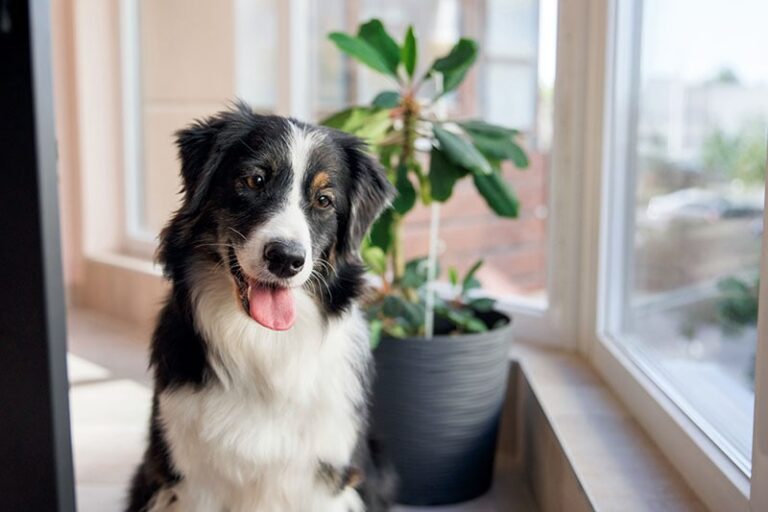
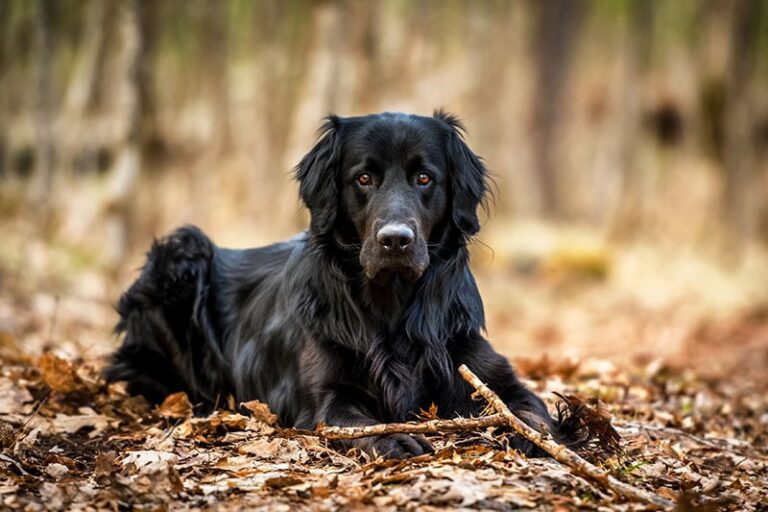
As a hybrid breed, the appearance of Alaskan Maladors can vary depending on which parent they take after more. However, they are generally large dogs with strong, muscular builds and thick, double coats.
Size and Weight
Maladors typically stand 22 to 28 inches tall at the shoulder and weigh between 60 to 100 pounds when fully grown. Males are usually larger and heavier than females.
Coat and Colors
One of the most striking features of the Alaskan Malador is their dense, double coat, which provides excellent insulation against cold weather. The thick, soft undercoat is covered by a longer, coarse outer coat that is straight or slightly wavy. Common coat colors include black, chocolate, gray, and various shades of brown, often with white markings on the chest, face, and paws.
Distinctive Features
Maladors often have broad, wedge-shaped heads with medium-sized, almond-shaped eyes that can be brown, amber, or blue. Their ears are medium-sized and triangular, set high on the head. They have strong, muscular necks, deep chests, and straight, sturdy legs. Their tails are thick and bushy, carried in a slight curve over the back.
Temperament and Personality Traits
Alaskan Maladors are known for their friendly, outgoing, and affectionate nature. They are loyal and devoted family dogs who thrive on human companionship and attention. Maladors are generally good with children and other pets, especially when socialized from a young age.
As a working breed mix, Maladors have high energy levels and require plenty of daily exercise and mental stimulation to stay happy and well-behaved. They enjoy outdoor activities like hiking, running, swimming, and playing fetch. Without sufficient physical and mental outlets, they may become bored and destructive.
Maladors are intelligent and eager to please, which makes them highly trainable. However, they can also inherit the Malamute‘s independent streak, so firm, consistent training and positive reinforcement are essential. Early socialization is crucial to help them develop into well-rounded, confident adult dogs.
One potential issue to be aware of is separation anxiety. Due to their strong attachment to their families, Maladors may become distressed when left alone for long periods. It‘s important to gradually accustom them to being alone and provide them with plenty of mental stimulation and comfort items when you‘re away.
Training and Exercise Requirements
As mentioned earlier, Alaskan Maladors are active dogs that require ample daily exercise and mental stimulation. A minimum of 60 to 90 minutes of physical activity per day is recommended, broken up into several shorter sessions. This can include walks, runs, hikes, swimming, and playtime in a securely fenced yard.
In addition to physical exercise, Maladors benefit from mentally stimulating activities like puzzle toys, scent work, obedience training, and learning new tricks. These activities help keep their minds engaged and prevent boredom-related behavioral issues.
When it comes to training, it‘s essential to start early and use positive reinforcement techniques like praise, treats, and playtime rewards. Maladors respond well to consistent, patient training that establishes clear boundaries and expectations. Aversive methods like punishment or physical force should be avoided as they can damage the dog‘s trust and lead to fear or aggression.
Socialization is another critical aspect of a Malador‘s development. From a young age, they should be exposed to a variety of people, animals, environments, and experiences to help them grow into well-adjusted, confident adult dogs. Puppy socialization classes, dog parks, and regular outings can help achieve this.
Grooming and Health Concerns
Grooming Requirements
Alaskan Maladors have thick, double coats that require regular grooming to keep them healthy and free of tangles and mats. They are moderate to heavy shedders, with seasonal shedding peaks in the spring and fall. Weekly brushing with a slicker brush or pin brush can help remove loose hair and distribute the natural oils throughout the coat.
Bathing should be done as needed, typically every 6 to 8 weeks, using a mild dog shampoo. Overbathing can strip the coat of its natural oils and lead to skin irritation. Other grooming needs include regular nail trimming, ear cleaning, and dental care.
Potential Health Issues
Like all breeds, Alaskan Maladors can be prone to certain health problems. Some of the potential issues to be aware of include:
-
Hip and elbow dysplasia: These inherited developmental disorders can cause pain and lameness in the joints, requiring management through weight control, exercise modification, medications, or surgery.
-
Bloat (gastric dilatation-volvulus): This life-threatening condition occurs when the stomach fills with gas and twists on itself, cutting off blood supply. Deep-chested breeds like Maladors are at higher risk. Symptoms include restlessness, unproductive vomiting, and abdominal distention, and immediate veterinary care is critical.
-
Eye disorders: Maladors may be prone to eye issues like cataracts, progressive retinal atrophy, and glaucoma. Regular eye exams and prompt treatment can help preserve vision.
-
Ear infections: The breed‘s floppy ears can trap moisture and debris, leading to bacterial or yeast infections. Regular ear cleaning and monitoring can prevent or catch issues early.
-
Hypothyroidism: This endocrine disorder occurs when the thyroid gland doesn‘t produce enough hormones, leading to weight gain, lethargy, and skin and coat problems. It can be managed with daily medication.
To promote the overall health and wellbeing of your Malador, provide them with a balanced, age-appropriate diet, regular exercise, and routine veterinary check-ups. Health screening tests like hip and elbow radiographs, eye exams, and thyroid function tests can help identify potential issues early on.
Is an Alaskan Malador Right for You?
Before bringing an Alaskan Malador into your home, it‘s essential to consider whether this breed is a good fit for your lifestyle and living situation. Here are some factors to keep in mind:
-
Space: As large, active dogs, Maladors require ample living space and a securely fenced outdoor area for exercise and play. They may not be well-suited to small apartments or homes without yards.
-
Time and energy: Maladors need dedicated owners who can provide them with plenty of daily exercise, interaction, and mental stimulation. If you work long hours or have a busy schedule, this breed may not be the best choice.
-
Training and socialization: While intelligent and eager to please, Maladors require consistent, positive training and early socialization to become well-behaved companions. Owners should be prepared to invest time and effort into their dog‘s education.
-
Grooming: Maladors‘ thick, double coats require regular brushing and occasional bathing to maintain their health and appearance. If you‘re not prepared for moderate to heavy shedding, this breed may not be ideal.
-
Family dynamics: Alaskan Maladors can make wonderful family pets, as they are typically friendly, affectionate, and good with children. However, their large size and high energy levels may be overwhelming for very young kids or elderly individuals.
If you can provide a loving, active home that meets a Malador‘s needs, you‘ll be rewarded with a loyal, devoted companion who will bring joy and adventure to your life for years to come.
Fun Facts About Alaskan Maladors
-
Due to their Malamute heritage, some Maladors may have a high prey drive and a tendency to chase small animals. Early training and socialization can help manage this instinct.
-
Maladors are known for their "talkative" nature, often expressing themselves through a variety of vocalizations like woofs, grumbles, and howls. This trait is thought to come from their Malamute ancestry.
-
The Alaskan Malador‘s thick, fluffy coat makes them well-suited to colder climates, but they can also adapt to warmer environments with proper grooming and exercise adjustments.
-
Some Maladors have striking blue or bi-colored eyes, a trait inherited from their Malamute parent. However, eye color doesn‘t affect their vision or overall health.
-
Alaskan Maladors have been used as therapy dogs, search and rescue dogs, and service dogs due to their intelligence, trainability, and friendly demeanor.
Conclusion
The Alaskan Malador is a unique and enchanting hybrid breed that combines the best qualities of the Labrador Retriever and Alaskan Malamute. With their striking appearance, friendly personality, and devotion to their families, Maladors can make wonderful companions for active, dedicated owners. By providing them with proper training, socialization, exercise, and care, you can help your Alaskan Malador thrive and enjoy a happy, healthy life by your side. If you‘re looking for a loyal, loving, and adventurous canine partner, the Alaskan Malador may be the perfect breed for you!