The Belgian Malinois: A Loyal and Hardworking Herding Dog
The striking and intense Belgian Malinois is a herding breed that traces its origins to the city of Malines in northern Belgium. Proud, confident, and always on alert, this working dog excels in a wide variety of roles from police and military work to sports like agility. While they can make excellent companions for active and experienced dog owners, they require dedicated training and are not ideal for first-time owners. As a lifelong dog lover and Malinois enthusiast, I‘d like to share some insights into this fascinating breed.
Breed History and Development
The Belgian Malinois (pronounced MAL-in-wah) was developed in the late 1800s in the Malines region of Belgium. According to the Belgian Shepherd Dog Association, local shepherds needed a dog that could tirelessly work alongside them all day tending and guarding the flocks. Through selective breeding of the most intelligent, trainable, and hardworking dogs, they created the foundation for the modern Malinois.
The Malinois is one of four closely related varieties of Belgian Shepherd dogs, each named for their area of origin: the Malinois, Tervuren, Laekenois, and Groenendael. In most countries, these four types are considered a single breed with varying coat types and colors. However, the American Kennel Club recognizes them as separate breeds, with the short-coated Malinois being the most popular.
In the early 20th century, the Malinois‘ working abilities expanded beyond herding into police and military roles. They served as messenger dogs and cart pullers during World War I, and their reputation as intelligent, trainable, and fearless working dogs continued to grow. Today, the Malinois is one of the top breeds used for law enforcement, military operations, and private security worldwide.
Physical Characteristics and Breed Standard
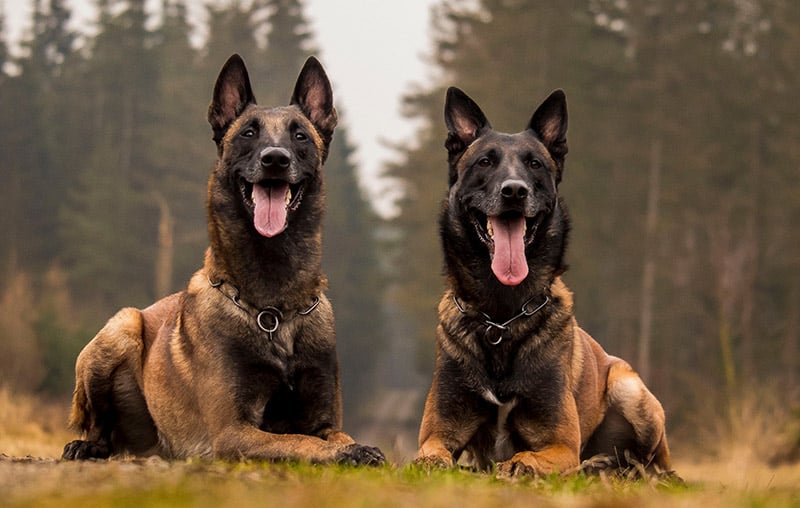
The Belgian Malinois is a medium-to-large dog with a muscular, athletic build. They have a short, straight coat that is usually fawn to mahogany in color with a black mask and ears. A small white patch on the chest is permitted but not preferred in the show ring. Males typically stand 24-26 inches tall at the shoulder and weigh 60-80 pounds, while females are slightly smaller at 22-24 inches and 40-60 pounds.
One of the most striking features of the Malinois is their proud, square-proportioned body that exudes strength and agility. They have a chiseled head with erect, triangular ears and expressive, almond-shaped brown eyes. The neck is moderately long and blends smoothly into well-laid-back shoulders, leading to a level topline and a deep, broad chest. The abdomen is moderately tucked up, and the tail is strong at the base and reaches to the hock.
When viewed from the side, the Malinois should display smooth, efficient movement with no wasted energy. The breed standard calls for a tireless, effortless gait with good reach and drive. The overall impression is one of graceful, powerful athleticism.
Temperament and Personality Traits
The Belgian Malinois is known for their intense work drive, loyalty, and protective instincts. These intelligent dogs seem to live for having a job to do, whether that‘s herding livestock, apprehending criminals, detecting explosives, or competing in obedience trials. They form incredibly strong bonds with their handlers and are always eager to please.
Kathy Holbert, a Malinois breeder and trainer for over 30 years, sums up the breed‘s personality: "Malinois are not for the faint of heart. They are high-energy, intense dogs that need a lot of training and exercise. But for the right person, they are the most loyal, hardworking, and intelligent companions you could ask for."
That intensity and suspicion of strangers means Malinois need extensive socialization starting from a young age to prevent fearful or aggressive behavior. They have a high prey drive that can lead to chasing and nipping at anything that moves, including children and other pets, if not properly trained. Mental stimulation is just as important as physical exercise to prevent boredom and destructive behavior.
While they are not typically cuddly or affectionate dogs, Malinois are deeply devoted to their owners and want to be involved in all aspects of family life. They do best with active, experienced owners who can provide clear, consistent leadership and plenty of opportunities to work and play.
Training and Exercise Requirements
The key to a well-behaved Belgian Malinois is early socialization, ongoing training, and lots of physical and mental stimulation. These dogs need a confident handler who can establish firm boundaries without resorting to punishment or harsh methods. Positive reinforcement training that rewards good behavior is the most effective way to build a strong bond and a happy, obedient dog.
Obedience training is essential for the Malinois and should begin as early as possible. Basic commands like sit, down, stay, come, and heel are important, but the Malinois also excels at more advanced skills like scent work, agility, protection sports, and search-and-rescue. Many Malinois owners and trainers recommend enrolling in a structured training program or sport to give the dog a job to do and strengthen the handler-dog relationship.
Regina Schroeder, a certified Malinois trainer and IPO competitor, advises: "Malinois need a lot of exercise, but it‘s not enough to just let them run around the yard. They need structured activities that engage their mind and challenge them physically. Training sessions, puzzle toys, nose work games, and outdoor adventures are all great ways to keep a Malinois happy and well-behaved."
In terms of exercise, the Malinois needs a minimum of one to two hours of vigorous activity every day, preferably broken up into multiple sessions. They excel at high-energy dog sports like agility, flyball, herding, and dock diving. Long walks, hikes, and bike rides are also good ways to tire them out. Without enough exercise and mental stimulation, Malinois can become hyperactive, destructive, and difficult to handle.
Health and Lifespan
The Belgian Malinois is generally a healthy breed with a lifespan of 12-14 years. However, like all breeds, they are prone to certain genetic health conditions. The most common issues seen in the breed include hip and elbow dysplasia, eye problems such as progressive retinal atrophy and cataracts, and certain cancers like hemangiosarcoma and lymphoma.
Responsible Malinois breeders will screen their breeding dogs for these conditions and provide health clearances to puppy buyers. The Orthopedic Foundation for Animals (OFA) recommends that Malinois breeders perform hip and elbow x-rays, an eye exam by a board-certified veterinary ophthalmologist, and optional screenings for thyroid disease and heart conditions.
As with all dogs, Malinois benefit from regular check-ups, vaccinations, and preventive care to maintain good health throughout their lives. They are active dogs that may be prone to injuries, so it‘s important to keep an eye out for any lameness, pain, or changes in behavior that could indicate a problem.
Grooming and Care
The Malinois‘ short, dense coat is relatively low-maintenance in terms of grooming. Weekly brushing with a firm bristle brush or rubber grooming mitt is usually sufficient to remove loose hair and keep the coat shiny. They only need occasional baths unless they get particularly dirty or start to develop an odor.
However, the Malinois does shed year-round and will "blow coat" once or twice a year, usually in the spring and fall. During these heavy shedding periods that can last a few weeks, daily brushing is recommended to keep up with the loose hair and prevent mats and tangles.
Other grooming needs include regular nail trims, ear cleaning, and dental care. Malinois are prone to tartar buildup and periodontal disease, so daily tooth brushing or the use of dental chews and toys is recommended.
Living with a Belgian Malinois
The Belgian Malinois is not a breed for everyone. They require a dedicated owner who can provide plenty of exercise, training, and companionship. Malinois are not well-suited to apartment living or being left alone for long periods of time, as they can become bored and destructive. They do best in a home with a securely fenced yard where they can run and play.
Malinois can be good with children if raised with them and properly socialized, but their high energy level and tendency to herd and nip can be overwhelming for young kids. They may do better with older children who know how to interact with dogs respectfully.
The breed‘s strong prey drive and territorial instincts can also make them challenging to live with other pets. They may view smaller animals like cats and rabbits as prey, and their desire to chase and herd can lead to conflicts with other dogs. Early socialization and training are essential for teaching the Malinois to coexist peacefully with other animals in the household.
While they are not known for being overly affectionate, Malinois bond very deeply with their owners and need to feel like part of the family. They thrive on attention and interaction and will not do well if left isolated in the backyard or kennel.
Working Roles and Achievements
The Belgian Malinois is one of the top breeds used for police and military work around the world. Their intelligence, trainability, athleticism, and courage make them well-suited for a variety of tasks, from suspect apprehension and tracking to drug and explosives detection.
Some notable Malinois achievements in recent years include:
- Cairo, a Belgian Malinois who was part of the U.S. Navy SEAL team that raided Osama bin Laden‘s compound in 2011. Cairo helped secure the perimeter and was honored for his service.
- Conan, a female Malinois who assisted in the 2019 raid on ISIS leader Abu Bakr al-Baghdadi. Conan chased al-Baghdadi into a tunnel where he detonated a suicide vest. She was injured by live electrical cables but recovered and received a medal and plaque at the White House.
- Kuga, a Slovakian police dog who set a world record in 2016 for the "fastest 5 meter dog on a flyball box." Kuga completed the course in 2.39 seconds, showcasing the Malinois‘ speed and agility.
According to the American Belgian Malinois Rescue, the breed currently makes up over 80% of working dogs used by the U.S. military. They are also commonly employed by law enforcement agencies, the Secret Service, the TSA, and private security firms.
How to Find a Belgian Malinois
If you have done your research and decided that the intense, driven Malinois is the right breed for you, it‘s important to find a responsible breeder or rescue organization. Avoid purchasing a puppy from a pet store or online seller, as these may be sourced from puppy mills or backyard breeders who prioritize profit over animal welfare.
The American Belgian Malinois Club maintains a breeder directory of members who adhere to a code of ethics, perform health testing, and provide a written contract with their puppies. They also have a rescue network that assists in rehoming Malinois that have been surrendered or abandoned.
When searching for a Malinois breeder, look for one who:
- Is knowledgeable about the breed and its working history
- Performs health tests on breeding dogs and provides clearances
- Raises puppies in the home with socialization and early training
- Allows you to visit and meet the puppies and their parents
- Provides references from other puppy buyers and veterinarians
- Has a written contract detailing health guarantees, spay/neuter requirements, and a lifetime return policy
Belgian Malinois Fun Facts and Trivia
To wrap up, here are some interesting facts and trivia about the remarkable Belgian Malinois:
- The breed‘s name is often mispronounced as "malinoy" or "malinwa." The correct French pronunciation is "mal-in-wah," with the emphasis on the last syllable.
- While the Malinois is often mistaken for a German Shepherd or Dutch Shepherd, they are a distinct breed. Malinois are typically smaller, lighter, and more agile than German Shepherds, with a more square-proportioned build.
- The Malinois is the most popular of the four Belgian Shepherd varieties, but they are still a relatively rare breed. In 2020, they ranked 37th out of 195 breeds in AKC registrations.
- Malinois are known for their "mad minute," an explosive burst of energy and excitement that can include spinning, jumping, and barking. This is a normal behavior for the breed and usually lasts just a minute or two.
- A Malinois named Bear holds the record for the longest dog jump at 31 feet and 5.5 inches. He achieved this feat at the Purina Pro Plan Incredible Dog Challenge in 2019.
- The breed has a long history of military service, dating back to World War I when they were used as messenger dogs and cart pullers. Today, they are still one of the top breeds used by militaries around the world.
- Malinois have a high pain tolerance and incredible endurance, which can make it difficult to tell when they are injured or overworked. Owners and trainers need to be attuned to subtle signs of discomfort and fatigue.
In conclusion, the Belgian Malinois is a remarkable breed with a long history of serving alongside humans as a herding, protection, and working dog. Their intelligence, athleticism, and intense work drive make them well-suited for a variety of demanding roles, from police K9s to elite military operators.
However, the Malinois is not a breed for novice owners or those seeking a low-key companion. They require experienced handling, extensive training and socialization, and a lot of daily exercise and mental stimulation to thrive. Without these things, they can become hyperactive, anxious, and even aggressive.
For the right person who can meet their needs, the Belgian Malinois can be a loyal, devoted, and incredibly capable partner. Their courage, work ethic, and desire to please make them a top choice for serious jobs, while their goofy playfulness and deep bond with their owners make them cherished family members.
If you are considering bringing a Malinois into your life, do your research and be honest about whether you can provide the training, stimulation, and companionship they need. With the right upbringing and care, these remarkable dogs will work their hearts out for you and be by your side through thick and thin.
Sources and Further Reading
- American Belgian Malinois Club – https://www.malinoisclub.com/
- American Kennel Club Malinois Breed Standard – https://www.akc.org/dog-breeds/belgian-malinois/
- United States Police Canine Association – https://www.uspcak9.com/breeds/malinois/
- Malinois History and Trivia – https://www.diablocanine.com/2020/02/16/10-things-you-probably-didnt-know-about-the-belgian-malinois/
- Coren, Stanley. "The Malinois: Dog Breed Information and Personality Profile." Psychology Today, Sussex Publishers, 8 Dec. 2015, www.psychologytoday.com/us/blog/canine-corner/201512/the-malinois-dog-breed-information-and-personality-profile.
- Frawley, Ed. "Belgian Malinois." Leerburg Dog Training, Leerburg Enterprises, 7 Sept. 2018, leerburg.com/malinois/.