The Black Mouth Cur: A Southern Hunting and Herding Original
As a lifelong dog lover and veterinarian, I‘ve always been fascinated by breeds that were developed to work closely alongside humans. One of the most impressive and hardworking breeds I‘ve come across is the Black Mouth Cur. This powerful, intelligent dog has a long history as a hunting and herding partner in the American South. While they‘re still relatively rare, they‘ve earned a devoted following among active owners who appreciate their courage, stamina, and loyalty.
History and Origins
The Black Mouth Cur‘s roots run deep in the rural South. According to breed historians, these dogs likely descended from ancient European and Asian cur-type dogs brought to North America by Spanish explorers and British settlers as early as the 1500s. Over time, these tough, versatile canines were bred to help settlers hunt game, herd livestock, and guard homesteads in the rough terrain of the Southeast.
Curs from different regions were often named for the area where they were found, like the Alabama Black Mouth Cur, Southern Black Mouth Cur, and Florida Black Mouth Cur. These strains all shared key traits like strength, agility, and a strong work ethic. According to a survey of Southern dog owners in the early 1900s, curs were prized for their "grit and determination" in hunting everything from squirrels and raccoons to feral hogs.
While the Black Mouth Cur has been beloved by Southern hunters and farmers for centuries, they didn‘t gain wider recognition until relatively recently. The United Kennel Club first registered the breed in 1998, thanks to the efforts of dedicated breeders. As of 2023, the Black Mouth Cur ranked 156th out of 204 breeds in terms of AKC popularity – still fairly uncommon, but steadily gaining fans.
Appearance and Build
One look at a Black Mouth Cur reveals their heritage as a rugged working dog. These pups have an athletic, muscular build designed for power and endurance. According to the UKC breed standard, males typically stand 18 to 24 inches at the shoulder and weigh 40 to 90 pounds, while females range from 16 to 22 inches and 35 to 80 pounds.

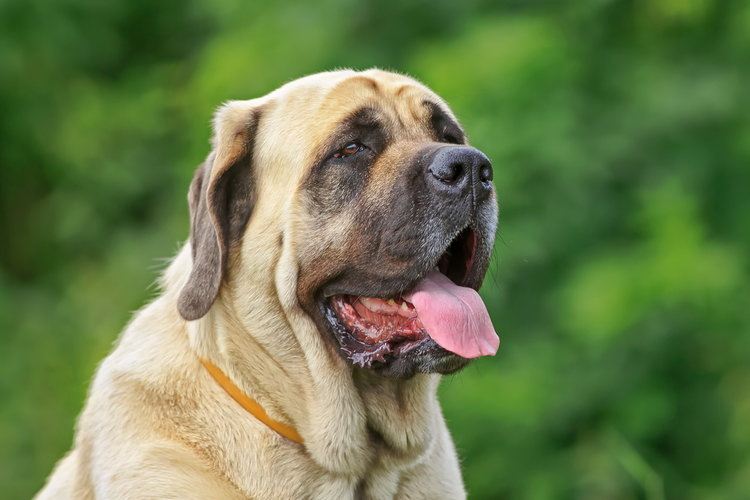
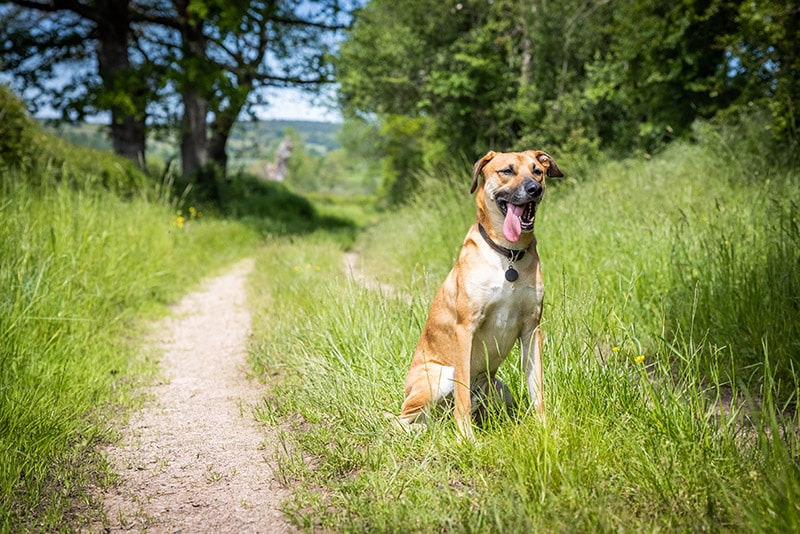
The BMC‘s short, dense coat comes in shades of red, yellow, fawn, brindle, or black with some white markings. Contrary to what their name suggests, not all Black Mouth Curs have a fully black muzzle. Some may have a partially black mask or no black pigment at all.
Other key physical traits include:
- Wedge-shaped head with strong jaws, suited for catching game
- Muscular neck and broad chest
- Medium-length drop ears
- Long, often upright tail
- Cat-like feet with webbed toes for better traction
Personality and Temperament
It‘s impossible to talk about the Black Mouth Cur without marveling at their larger-than-life personality. These are confident, courageous dogs with a strong drive to work and a knack for independent problem-solving. As one long-time BMC breeder put it, "They‘ve never heard the word ‘quit.‘"
With their families, Black Mouth Curs tend to be loyal, affectionate, and protective. They bond closely with their humans and take their watchdog role seriously. Most BMCs are good with kids when properly socialized, enjoying romps in the yard and snuggle sessions on the couch. In a recent survey of Black Mouth Cur owners, 87% said their dogs were "great" or "good" with children in the household.
However, that strong work drive and prey instinct can be a double-edged sword. Black Mouth Curs need a job to do, whether that‘s actual hunting or herding work, competition in dog sports, or joining you on long hikes and trail runs. Without enough exercise and mental stimulation, they can become bored and destructive. They also have a tendency to chase small animals, so they‘re not the best fit for homes with cats or pocket pets. In multi-dog households, BMCs often do best with a canine playmate to burn off steam with.
As independent thinkers, Black Mouth Curs can also have a stubborn streak. They respond best to positive reinforcement training with clear, consistent boundaries. Socialization is a must to help them learn good manners with strangers and other dogs. While they‘re too friendly to be true guard dogs, BMCs excel as alert watchdogs.
Exercise and Work
A tired dog is a good dog, and that‘s doubly true for high-energy working breeds like the Black Mouth Cur. These dogs were bred to hunt and herd from sunup to sundown, so they have impressive endurance and exercise needs. At a minimum, expect to provide:
- 1.5 to 2 hours of vigorous exercise per day, such as running, swimming, or intense playtime
- Several mentally stimulating activities like obedience training, puzzle toys, nose work games
- Secure fencing or leash walks to prevent roaming (BMCs have a strong instinct to wander)
To give you a sense of their activity level, a 2019 study of working dogs found that BMCs on active hunting or herding duty logged an average of 32 miles per day! While pet BMCs may not need quite that much mileage, they still require ample outlets for their energy.
Hunting and herding work are the Black Mouth Cur‘s traditional jobs, and many still excel in those roles today. They‘re known for their fearlessness and tenacity in chasing down game like raccoons, squirrels, feral hogs, and even bears. As herding dogs, BMCs use their strength and agility to control cattle and other livestock.
If you don‘t have hunting or ranching aspirations, there are plenty of other ways to exercise your BMC‘s mind and body. Many enjoy and excel at dog sports like agility, dock diving, flyball, and barn hunt. With their keen noses, BMCs can also make great detection dogs for sniffing out everything from wildlife to missing persons.
Of course, you don‘t need to get fancy to keep a Black Mouth Cur happy. Long hikes, backpacking trips, trail runs, and games of fetch are all great ways to bond with your pup and burn off that boundless BMC energy. Just be prepared to keep up – these tireless dogs will always be ready for another lap!
Health and Life Expectancy
Like many working breeds, Black Mouth Curs are generally healthy and long-lived, with an average lifespan of 12-16 years. However, they can be prone to some hereditary health issues, including:
-
Hip dysplasia (HD): Abnormal development of the hip joint, which can lead to arthritis and lameness. Responsible BMC breeders screen their breeding stock for HD. According to the Orthopedic Foundation for Animals, about 11% of BMCs have abnormal hip joints.
-
Progressive Retinal Atrophy (PRA): A group of degenerative eye disorders that can cause vision loss and blindness. PRA affects around 4% of BMCs, with onset usually in adulthood.
-
Cataracts: Clouding of the eye lens that impairs vision. Juvenile cataracts, which appear in young dogs, are a particular concern in BMCs. About 3% of the breed is affected.
-
Epilepsy: Recurrent seizures with no known cause. While data is limited, epilepsy appears to be more common in BMCs than many other breeds. Your vet can help you develop a treatment plan if needed.
To minimize health risks, choose a puppy from a responsible breeder who performs genetic testing and provides health clearances for their breeding dogs. Reputable BMC breeders should be able to show you Orthopedic Foundation for Animals (OFA) and Canine Eye Registry Foundation (CERF) certifications.
Once your BMC is home, you can promote a long, healthy life by:
- Feeding a high-quality, balanced diet and avoiding obesity
- Keeping up with preventive care like vaccines and parasite control
- Scheduling regular vet checkups and dental cleanings
- Providing joint supplements if recommended by your vet
- Brushing your dog‘s teeth regularly and checking ears for signs of infection
- Giving your pup plenty of appropriate exercise
Grooming and Care
One nice perk of BMC ownership is that grooming needs are minimal. Their short, dense coat doesn‘t require much primping – just brush weekly with a bristle brush or hound glove to remove loose fur and distribute oils. Shedding is moderate and tends to peak in spring and fall.
Bathe your Black Mouth Cur as needed if they get dirty, but frequent baths can dry out their skin. Stick to a mild, moisturizing dog shampoo. Other basic care includes regular nail trims (every 3-4 weeks), ear cleanings, and dental hygiene. Brush your BMC‘s teeth at least a few times a week and check ears for redness, discharge, or odor.
Because BMCs have high exercise needs and a strong drive to work, they do best in homes with securely fenced yards or acreage to roam. Underground electronic fencing usually isn‘t enough to contain these independent dogs. A bored BMC is also more likely to become an escape artist, so make sure they have plenty of toys and puzzles to keep them occupied when you can‘t be actively engaging with them.
Quirks and Fun Facts
One of the things I love about Black Mouth Curs is their endless capacity to surprise and entertain their humans. Some fun BMC trivia and quirks:
- The name "cur" comes from the Middle English word "curren," meaning "to growl." It originally referred to the dogs‘ fierce, courageous nature.
- BMCs are sometimes called the "all-American mutt" because they were developed by mixing a variety of European and Asian breeds.
- According to BMC owners, these dogs seem to have only two speeds: "full throttle" and "snooze." They‘ll go all day outside and then crash hard for cuddles.
- The breed‘s signature black muzzle isn‘t universal. Some BMCs have only a partially black mask or no black pigment at all.
- BMCs are known for their catlike agility. They can climb trees, walk along fence tops, and even open doorknobs with their dexterous paws.
- These dogs are incredibly mouthy – they explore the world with their jaws and love to carry toys or sticks around.
- BMCs often "smile" by pulling their lips back and showing their teeth in a friendly grin. It‘s a sign of affection, not aggression!
Finding a Black Mouth Cur
If you think a Black Mouth Cur could be your ideal companion, be sure to do your homework before bringing one home. These unique dogs need experienced owners who can give them the exercise, training, and job they crave.
When looking for a BMC breeder, prioritize operations that perform health testing, provide health guarantees, and ask detailed questions about your lifestyle and plans for the dog. Avoid breeders who always have puppies available, don‘t let you meet the parents, or seem more interested in money than finding good homes.
If possible, meet the breeder in person and spend time with their dogs to get a feel for temperament. For BMC puppies, key socialization windows are 8-16 weeks old, so look for a breeder who exposes pups to many positive experiences during this time.
You may also want to consider adopting an adult BMC from a rescue group. Black Mouth Cur rescues often have dogs who were given up due to shedding, roaming, or exercise needs the owner couldn‘t meet. With an adult dog, you‘ll have a better sense of personality and health history.
The Bottom Line
Black Mouth Curs are truly one-of-a-kind dogs with a fascinating history and larger-than-life personality. For experienced owners who want an intrepid adventure buddy and tireless worker, there‘s no better breed. Just be prepared for a dog who will keep you on your toes with their smarts, energy, and endless enthusiasm for life!
While BMCs have specific needs that make them a poor fit for some homes, they can absolutely thrive in the right environment. Give them a job to do, room to run, and plenty of training and affection, and you‘ll be rewarded with a loyal, loving companion for life. As one smitten BMC owner told me, "Once you‘ve had a Black Mouth Cur, no other dog will do!"