Mini Bernedoodle vs. Mini Goldendoodle: A Comprehensive Guide for Dog Lovers

Introduction
If you‘re a dog lover looking for a small, intelligent, and affectionate companion, you may have come across mini Bernedoodles and mini Goldendoodles in your search. These two popular mixed breeds have captured the hearts of many with their adorable appearances and charming personalities. In this comprehensive guide, we‘ll take an in-depth look at mini Bernedoodles and mini Goldendoodles, comparing their history, characteristics, care requirements, and more to help you make an informed decision.
The Parent Breeds
To understand mini Bernedoodles and mini Goldendoodles better, it‘s essential to know about their parent breeds:
Bernese Mountain Dog
The Bernese Mountain Dog is a large, sturdy breed originally from Switzerland. They are known for their gentle, loyal, and affectionate nature, as well as their striking tricolor coat of black, white, and rust.
Golden Retriever
The Golden Retriever is a medium-large breed known for their friendly, outgoing, and intelligent personality. They have a dense, water-repellent coat that comes in various shades of gold.
Poodle
Poodles come in three sizes: standard, miniature, and toy. They are highly intelligent, easily trainable, and have a hypoallergenic, low-shedding coat. Miniature Poodles are used in breeding mini Bernedoodles and mini Goldendoodles.
History and Origin
Mini Bernedoodles and mini Goldendoodles are relatively new mixed breeds that have gained popularity in recent years.
Mini Bernedoodle
The first intentional breeding of a Bernese Mountain Dog and a Poodle occurred in 2003, with the goal of creating a smaller, more adaptable version of the Bernese Mountain Dog with the hypoallergenic coat of the Poodle. The mini Bernedoodle, achieved by breeding a Miniature Poodle with a Bernese Mountain Dog, has since become increasingly popular due to its ideal combination of traits.
Mini Goldendoodle
Goldendoodles, a cross between a Golden Retriever and a Poodle, have been around since the 1990s. The mini Goldendoodle, a result of breeding a Miniature Poodle with a Golden Retriever, emerged as a smaller version of the standard Goldendoodle, offering the best of both parent breeds in a compact size.
Physical Characteristics
Mini Bernedoodle
- Size: 18 to 24 inches tall at the shoulder; 25 to 49 pounds
- Coat: Can be wavy or curly, with a soft, fluffy texture; common colors include black, white, and brown, often in a tricolor pattern
- Unique features: May have the distinctive "Swiss cross" markings of the Bernese Mountain Dog on their chest
Mini Goldendoodle
- Size: 13 to 20 inches tall at the shoulder; 15 to 35 pounds
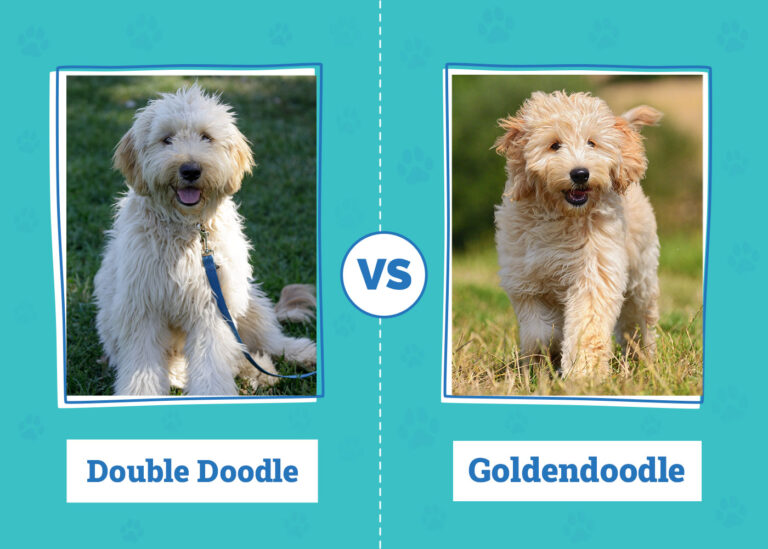
- Coat: Can be wavy or curly; comes in a variety of colors, such as red, caramel, gold, cream, and apricot
- Unique features: May have the signature feathering of the Golden Retriever on their ears, legs, and tail
Temperament and Personality
Mini Bernedoodle
- Calm, gentle, and laid-back
- Loyal and devoted to their family
- Slightly more reserved with strangers compared to mini Goldendoodles
- Adaptable to various living situations
Mini Goldendoodle
- Energetic, playful, and outgoing
- Highly social and thrives on human interaction
- Eager to please and easy to train
- Loves being the center of attention
Both breeds are affectionate, intelligent, and get along well with children and other pets when socialized properly.
Health Concerns
Like all breeds, mini Bernedoodles and mini Goldendoodles are prone to certain health issues:
Common health concerns for both breeds
- Hip and elbow dysplasia
- Eye problems (e.g., progressive retinal atrophy, cataracts)
- Skin allergies
Mini Bernedoodle-specific health concerns
- Certain cancers
- Bloat
- Von Willebrand‘s disease
Mini Goldendoodle-specific health concerns
- Hypothyroidism
- Ear infections
Regular vet check-ups, health screenings, and preventive care can help minimize the risk of these health issues.
Grooming and Coat Care
Mini Bernedoodle
- Brushing: Every other day for curly coats, a few times a week for wavy coats
- Trimming: Every 8 to 12 weeks
- Recommended tools: Slicker brush, pin brush, metal comb, and dematting tool
Mini Goldendoodle
- Brushing: Every other day for curly coats, a few times a week for wavy coats
- Trimming: Every 8 to 12 weeks
- Recommended tools: Slicker brush, pin brush, metal comb, and dematting tool
Regular ear cleaning, nail trimming, and dental care are essential for both breeds.
Exercise and Mental Stimulation
Both mini Bernedoodles and mini Goldendoodles require daily exercise and mental stimulation:
- 30 to 60 minutes of physical activity per day, divided into walks, playtime, and interactive games
- Enjoy activities such as hiking, swimming, agility training, and playing fetch
- Thrive on mental challenges, such as puzzle toys, obedience training, and scent work
Lack of adequate exercise and mental stimulation can lead to undesirable behaviors.
Training and Socialization
Mini Bernedoodles and mini Goldendoodles are highly trainable due to their intelligence and eagerness to please:
- Respond well to positive reinforcement techniques
- Require early socialization to ensure they grow into well-adjusted, confident adult dogs
- Benefit from consistency and patience during training
- May experience separation anxiety if left alone for long periods
Suitability for Different Families
Both breeds can make wonderful additions to various families, including those with children and other pets:
- Adaptable to different living situations, from apartments to homes with yards
- Mini Bernedoodles may be better suited for families seeking a calmer companion
- Mini Goldendoodles may be a better fit for those who desire a more energetic, outgoing pet
Lifespan and Long-Term Care
Mini Bernedoodles and mini Goldendoodles have a life expectancy of 10 to 15 years:
- Regular veterinary check-ups, vaccinations, and preventive care are necessary
- Dental care, including regular teeth cleanings, can help prevent dental disease
- May develop age-related health concerns, such as arthritis or cognitive decline
Owning a dog is a long-term commitment that requires time, effort, and financial resources.
Cost and Availability
The average cost of a mini Bernedoodle or mini Goldendoodle can vary depending on factors such as location, breeder reputation, and coat color:
- Mini Bernedoodle: $2,500 to $5,000
- Mini Goldendoodle: $2,000 to $4,000
Adoption fees from rescue organizations or shelters may be lower, typically ranging from $200 to $1,000.
Breeder Selection and Puppy Care
When looking for a mini Bernedoodle or mini Goldendoodle puppy, it‘s essential to choose a reputable breeder who:
- Conducts health screenings on their breeding dogs
- Provides a clean, nurturing environment for their puppies
- Offers a health guarantee and ongoing support
Proper puppy care, including socialization, training, and nutrition, is crucial for ensuring a healthy, well-adjusted adult dog.
Conclusion
Mini Bernedoodles and mini Goldendoodles are both wonderful, loving companions that can bring joy and companionship to their families. While they share many similarities, such as their intelligence, trainability, and affectionate nature, they also have distinct differences in size, appearance, and temperament.
By carefully considering the information presented in this guide and consulting with reputable breeders or experts, you can make an informed decision and find the perfect furry friend to join your family. Remember, owning a dog is a long-term commitment that requires love, care, and attention to ensure a happy, healthy life together.