The Boshih: A Comprehensive Guide to This Charming Hybrid Breed
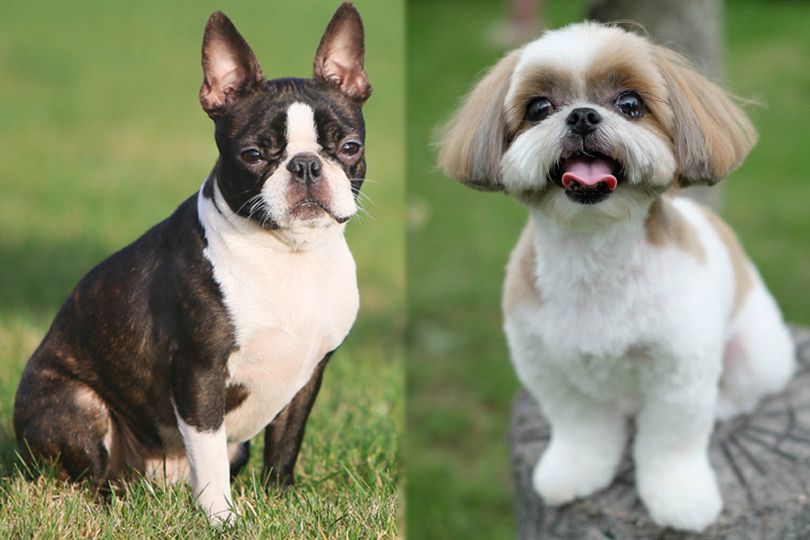

Are you looking for a small, affectionate dog with a big personality? Look no further than the Boshih! This adorable hybrid combines the best traits of the lively Boston Terrier and the loyal Shih Tzu. As a lifelong dog lover and veterinarian, I‘ve had the pleasure of caring for many Boshihs over the years. In this comprehensive guide, I‘ll share my professional insights along with the latest research to help you determine if a Boshih is the perfect companion for you.
Table of Contents
- Origin and History of the Boshih
- Boshih Characteristics
- Boshih Care 101
- Health Considerations
- Is a Boshih Right for You?
- Fascinating Boshih Facts
- Conclusion
Origin and History of the Boshih
The Boshih is a relatively new hybrid, believed to have originated in the United States in the late 1990s to early 2000s. To understand the Boshih‘s heritage, let‘s take a closer look at the parent breeds.
Boston Terrier History
The Boston Terrier was developed in the late 1800s in Boston, Massachusetts, as a cross between the English Bulldog and English White Terrier (now extinct). Originally bred for dogfighting, the Boston Terrier‘s friendly demeanor made it a poor contender. Instead, the breed‘s affectionate nature and dapper looks won the hearts of Boston‘s elite. The AKC recognized the breed in 1893. Today, the Boston Terrier ranks 21st out of 195 AKC breeds in popularity.
Shih Tzu History
The Shih Tzu, meaning "lion dog" in Chinese, boasts a regal heritage dating back over 1000 years to ancient China. Favored by Chinese royalty, Shih Tzus served as lapdogs and companions in imperial palaces. The breed faced near extinction in the early 20th century but was saved by a small number of dogs brought to Europe. The AKC recognized the Shih Tzu in 1969. Today, the breed ranks 20th in popularity.
The Boshih Emerges
The Boshih‘s origin isn‘t well-documented, but intentional crossbreeding of Boston Terriers and Shih Tzus likely began in the U.S. as the designer dog trend took off. The goal was to create a small, friendly, low-shedding companion dog. While Boshihs are not AKC-eligible, they are recognized by the American Canine Hybrid Club, Designer Dogs Kennel Club, and Designer Breed Registry.
Boshih Characteristics
Physical Traits
Boshihs are small dogs, typically weighing 10-20 pounds and standing 12-16 inches tall at the shoulder. They often have a rounded head, short muzzle, and large, expressive eyes. Ears may be erect like a Boston Terrier‘s or floppy like a Shih Tzu‘s. The coat is usually medium-length, soft, and slightly wavy, but can vary. Common colors include black, white, brown, and brindle, often with white markings.
| Trait | Boston Terrier | Shih Tzu | Boshih |
|---|---|---|---|
| Height | 12-15 inches | 8-11 inches | 12-16 inches |
| Weight | 10-25 pounds | 9-16 pounds | 10-20 pounds |
| Coat | Short, smooth | Long, silky, double coat | Medium, soft, wavy |
| Colors | Brindle, seal, black & white | All colors | Varied, often with white |
| Ears | Erect | Dropped | Erect or dropped |
| Tail | Short, straight | Long, curled over back | Varies |
| Lifespan | 11-13 years | 10-16 years | 12-15 years |

Temperament
Boshihs are known for their friendly, affectionate nature. They love being with their humans and crave attention. Most Boshihs enjoy cuddling on the couch as much as playing with toys or going on walks. They tend to be good with children and other pets when socialized from a young age. However, some may be initially wary of strangers or prone to barking due to their Shih Tzu heritage.
Dr. Sarah Wooten, DVM, CVJ, says, "Boshihs bond very closely with their owners. They can experience separation anxiety if left alone too long, so they‘re happiest with a family where someone is home much of the day. Puzzle toys and frozen Kong toys can help keep them occupied while you‘re away."
Intelligence and Trainability
Boshihs are intelligent dogs that are generally eager to please. Most are quite responsive to reward-based training using treats or praise. However, they can also inherit a stubborn streak from their Shih Tzu parent. Patience and consistency are key. Housetraining may take extra time and vigilance.
Certified dog trainer Carrie Bolduc advises, "Start training your Boshih puppy as soon as you bring them home. Use positive reinforcement and keep sessions short and fun. Socializing your pup to different people, pets, sights, and sounds is also critical for building their confidence."
Boshih Care 101
Nutrition and Feeding
As small dogs, Boshihs have high metabolisms and require nutrient-dense food to meet their energy needs. Look for a high-quality dry kibble formulated for small breeds. Avoid overfeeding, as Boshihs can easily become overweight. Use a measuring cup and limit treats to 10% of daily calories. Consult your vet if you have concerns about your dog‘s weight or diet.
Exercise Requirements
Despite their small size, Boshihs have moderate exercise needs. Aim for 30-60 minutes of activity daily through walks, playtime, and mentally stimulating games. Dr. Jenifer Chatfield, DVM, DACZM, points out, "Boshihs love going on adventures with their owners, whether it‘s a stroll around the neighborhood, a hike on a local trail, or a trip to the dog park. Regular exercise not only keeps them physically fit but also helps prevent boredom and undesirable behaviors."
Grooming Needs
Boshih grooming needs vary based on coat type but are usually moderate to high. Brushing a few times a week is necessary to prevent tangles and mats, especially in longer coats. Baths every 2-4 weeks keep their coat and skin clean and healthy. Don‘t forget regular nail trims, ear cleanings, and dental care.
Dr. Bert Sheldon, a board-certified veterinary dentist, emphasizes, "Small dogs like Boshihs are prone to dental disease due to crowding of teeth in their small mouths. Daily toothbrushing with a pet-safe enzymatic toothpaste is ideal, but even a few times a week can make a big difference. Dental chews and water additives can also help."
Health Considerations
Common Health Issues
While generally healthy, Boshihs can inherit certain health predispositions from their parent breeds. These include:
| Condition | Description | Incidence |
|---|---|---|
| Patellar luxation | Dislocation of kneecap | 10-20% |
| Eye problems | Cherry eye, dry eye, cataracts | 5-10% |
| Brachycephalic airway syndrome | Breathing issues due to short muzzle | 5-10% |
| Dental disease | Tartar buildup, gum inflammation | 60-80% |
| Skin allergies | Itching, redness, hair loss | 10-15% |
| Intervertebral disc disease | Bulging or herniated spinal discs | 2-4% |

Preventive Care
Dr. Marcus Brown, president of the American Animal Hospital Association (AAHA), advises, "The best way to keep your Boshih healthy is through regular preventive care visits with your veterinarian. This includes vaccinations, parasite prevention, dental cleanings, and health screenings. Your vet can also help you develop a tailored nutrition and exercise plan."
Pet Insurance
Given the potential for inherited health issues, pet health insurance can be a smart investment for Boshih owners. Policies can cover accidents, illnesses, surgeries, medications, and more. Some providers, like Embrace and Pets Best, even offer optional wellness plans for routine care. Compare providers, deductibles, and coverage limits to find the best plan for your needs and budget.
Is a Boshih Right for You?
Ideal Home Environment
Boshihs can adapt well to various living situations, from apartments to houses with yards. They make excellent companions for many types of owners, including:
- Singles, couples, or families
- First-time dog owners
- Seniors or retirees
- Those with allergies (Boshihs are often low-shedding)
Boshihs do best with owners who are home often and can give them plenty of attention and exercise. They generally get along well with children and other pets, but supervise interactions with very young kids or much larger dogs.
Challenges to Consider
Before getting a Boshih, consider if you‘re prepared to meet their needs for companionship, grooming, and training. Separation anxiety can be an issue if they‘re frequently left alone for long periods. Barking, housetraining accidents, and stubbornness are also potential challenges. Frequent vet visits and dental care are a must to prevent health issues, which can be costly without insurance.
Buying vs Adopting
If you‘re ready to add a Boshih to your family, you have two main options: buying from a breeder or adopting from a rescue or shelter.
When buying from a breeder, do your research to find a reputable one who health tests parent dogs and prioritizes animal welfare over profit. Expect to pay anywhere from $500 to over $2000 for a Boshih puppy, depending on factors like coat color, markings, and breeder location.
Adopting a Boshih can be less expensive and helps give a homeless dog a second chance. Search for Boshih or small breed mixes on sites like Petfinder or Adopt a Pet, or look for Boston Terrier, Shih Tzu, or Boshih-specific rescues. Adoption fees typically range from $50 to $500 and often include vetting, microchipping, and spay/neuter surgery.
Fascinating Boshih Facts
- The name "Boshih" is a blend of Boston Terrier and Shih Tzu.
- The Boshih‘s nickname is the "Boshi" (pronounced boe-shee).
- In the 2022 ACHC survey, the most popular Boshih names were Buddy, Bella, Max, Lucy, and Charlie.
- Celebrities like Julianne Hough and Ashley Tisdale own Boshihs.
- Shih Tzus were once so revered in China that common people had to bow down to them.
- In 2021, a Boshih named Metzie won Best of Breed at the DDKC‘s 20th Anniversary Invitational in Phoenix, AZ.
- The Boston Terrier is the official state dog of Massachusetts.
Conclusion
As a veterinarian and lifelong dog devotee, I can attest to the many charms of the Boshih. This sweet, spirited hybrid offers the best of the Boston Terrier and Shih Tzu breeds in a compact, cuddly package. With their friendly disposition and adaptability to various homes, it‘s no wonder Boshihs have won the hearts of so many owners.
Of course, no breed is right for everyone. Boshihs require a significant commitment of time, energy, and financial resources to thrive. Potential owners must be prepared to meet their needs for companionship, training, grooming, exercise, and veterinary care.
If you think a Boshih aligns with your lifestyle and values, I encourage you to do your research and connect with reputable breeders, rescues, or breed-specific groups to learn more. The Boshih Club of America‘s website and social media pages are great places to start.
To all the dedicated Boshih owners out there, I applaud your care and devotion to this delightful breed. May your Boshih bring you joy, laughter, and unconditional love for many years to come.
At the end of the day, we can all learn a lot from the Boshih‘s zest for life and boundless affection. In the words of Boshih mom Chelsea Conway, "My Boshih Finn has taught me so much about living in the moment and cherishing the simple things, like a warm sunbeam, a yummy treat, or a belly rub from your best friend. He reminds me every day of what really matters."
Do you have a Boshih in your life? Share your experiences and photos in the comments below or on our social media pages. Let‘s celebrate this remarkable breed together!