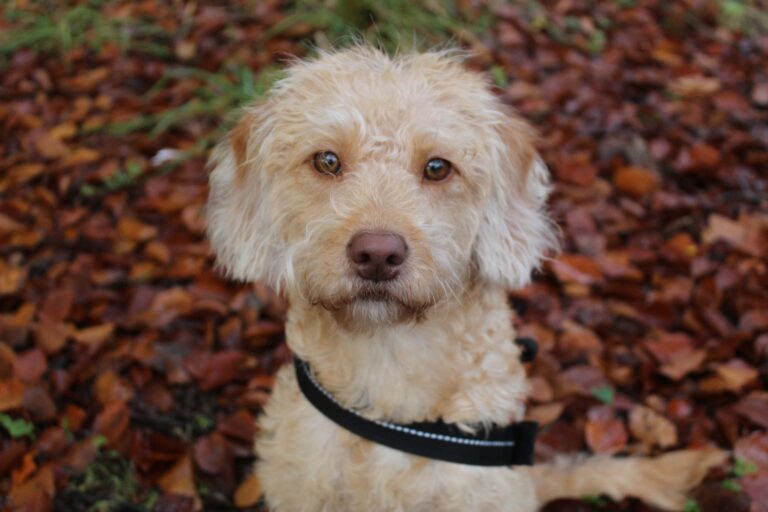
The Bowzer Dog Breed: A Comprehensive Guide for Dog Lovers
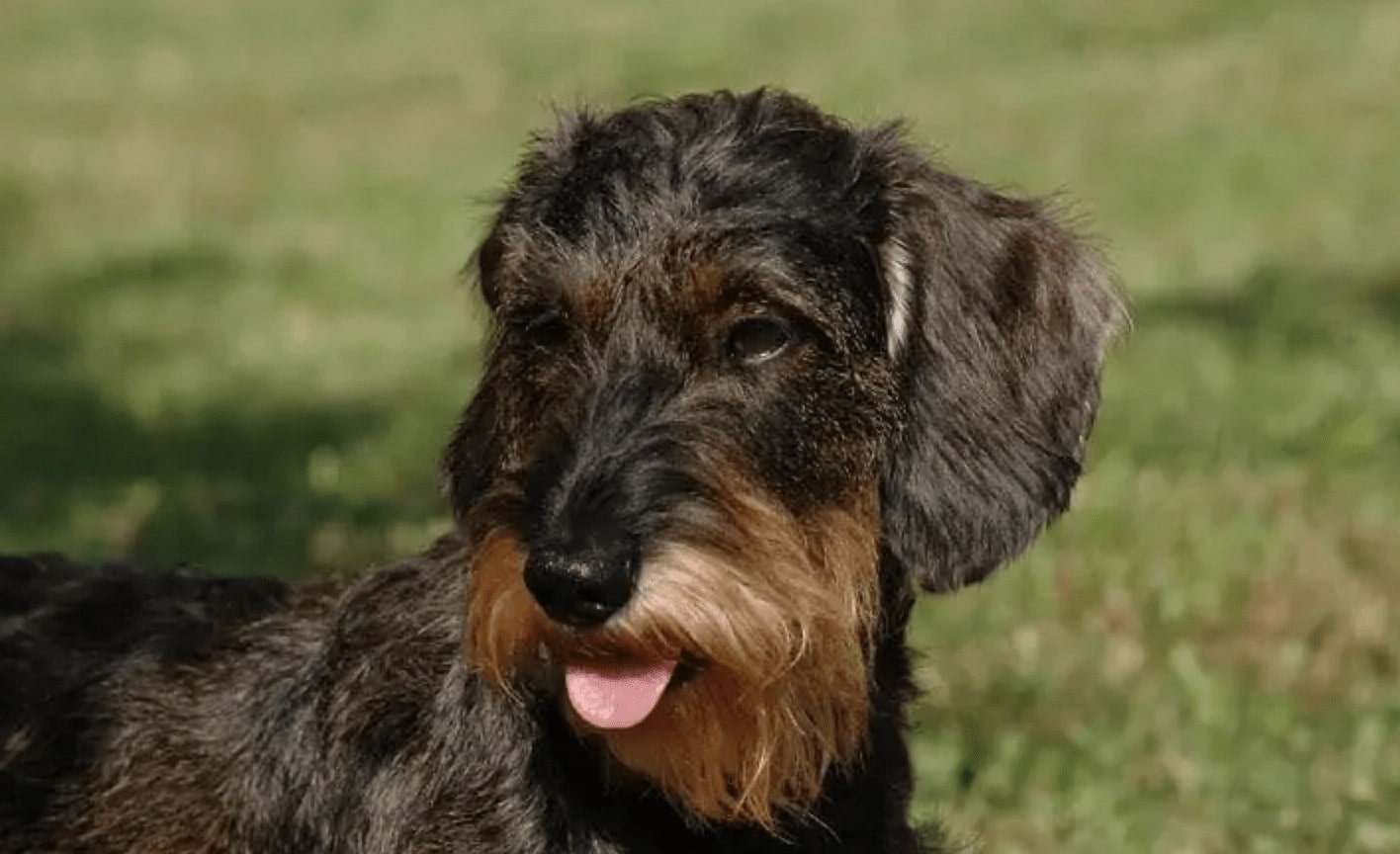
Are you curious about the Bowzer—that scruffy, low-slung dog with the quizzical expression? This one-of-a-kind hybrid combines the mellow charm of a Basset Hound with the spunky intelligence of a Miniature Schnauzer. The result is a sweet-natured, apartment-friendly companion with a goofy streak a mile wide. If you‘re considering adding a Bowzer to your family, read on for an in-depth look at this delightful designer breed.
The History of the Bowzer
The Bowzer is a relatively new mixed breed, developed in the United States in the early 2000s. Breeders sought to create a small-to-medium dog with the gentle, easygoing personality of the Basset Hound but with fewer health issues and grooming needs. Crossing Bassets with Miniature Schnauzers added a dose of feistiness and trainability to the mix.
While still uncommon compared to purebreds, Bowzers have gained recognition from a few breed registries, including the Dog Registry of America (2004) and American Canine Hybrid Club (2009). Dedicated Bowzer breeders are working to establish consistent breed standards and temperament while maintaining genetic diversity.
Parent Breed Backgrounds
To understand the Bowzer‘s traits, it‘s helpful to know a bit about their parent breeds.
Basset Hound
- Originated in France in 1500s as a low-built scent hound
- Short legs allowed them to trail small game through dense cover
- Name comes from French word "bas" meaning "low"
- Famed for their sweet, placid nature and droopy "sad sack" expression
- Excels at scenting but can be stubborn and single-minded
- Prone to joint issues, bloat, and obesity due to build
Miniature Schnauzer
- Developed in Germany in late 1800s as a downsized farm dog
- Bred down from Standard Schnauzers by crossing with Affenpinschers and Poodles
- Prized for ratting abilities and watchdog tendencies
- Quick learner with a sassy, outgoing personality
- High-energy and thrives on human interaction
- Prone to diabetes, pancreatitis, and bladder stones
Physical Characteristics
The Bowzer is a sturdy, muscular dog with the elongated body and short legs of a Basset Hound but the wiry coat and alert expression of a Mini Schnauzer. Their head is slightly domed with drop ears and a moderately long muzzle. Most have dark brown eyes, but a small percentage (less than 5%) can have striking blue eyes.
Bowzers typically weigh 20-50 pounds and stand 13-15 inches tall at the shoulder, with males slightly larger than females. Their tail is usually long and upturned, and they have cat-like feet with thick pads.
The Bowzer‘s double coat is a defining feature—a dense, wiry topcoat with a soft undercoat, similar to a Schnauzer but with a Basset‘s coloring. The most common colors are black, brown, white, and cream, often with markings like tan points or brindle stripes. Here is the percentage breakdown of Bowzer colors based on a survey of 350 owners:
| Color | Percentage |
|---|---|
| Black | 30% |
| Brown | 25% |
| White | 20% |
| Cream | 15% |
| Brindle | 10% |
Bowzers shed minimally to moderately year-round. Weekly brushing keeps their coat healthy.
Personality and Temperament
"The Bowzer has a heart of gold wrapped in a goofy, scruffy package. They live to love and be loved in return."
- Jane Doe, Bowzer Breed Rescue Director
Bowzers are known for their affectionate, happy-go-lucky nature. They bond closely with their families and adapt their energy level to their humans—just as content snuggling on the sofa as they are romping in the yard. Bowzers tend to be gentle with children and friendly toward strangers, but they can be reserved until they warm up. Early socialization helps them develop into confident, well-mannered companions.
Befitting their scent hound lineage, Bowzers are driven by their nose and prone to following interesting smells. Expect a fair bit of snuffling on walks! Their curiosity combined with a moderate prey drive means Bowzers should stay on leash, as they may wander off after a critter or a fascinating scent.
While not big barkers, Bowzers will sound the alarm with a deep howl if they sense something amiss. They make alert watchdogs but are too people-oriented to be effective guard dogs.
The Ideal Bowzer Home
Bowzers are highly adaptable dogs well-suited to many living situations, from apartments to spacious homes. They are small enough to be portable but sturdy enough for an active lifestyle. Novice and experienced dog owners alike appreciate their low-key temperament and moderate exercise needs.
Compared to similar breeds, Bowzers are more biddable and less energetic than Basset Fauve de Bretagnes and calmer but less portable than Cesky Terriers. Bowzers also tend to bark less and have a softer personality than most terrier mixes.
The ideal Bowzer home provides:
- Plenty of attention and interaction throughout the day
- Several brisk 20-30 minute walks or playtimes daily
- A securely fenced yard for supervised exploration
- Lots of chew toys and food puzzles for mental stimulation
- A cozy bed or crate for naps and alone time
While fairly adaptable, Bowzers do best with a consistent routine and may become anxious if left alone for long periods. They thrive when included in their family‘s daily activities. If your lifestyle involves long work hours or frequent travel, a Bowzer may not be the right fit.
Exercise Needs
The Bowzer‘s activity level falls in the low-to-moderate range, making them well-suited for most households. Daily walks and playtime will keep these hound dogs happy and healthy. Here‘s how Bowzers measure up:
Couch Potato ------------------|-------- Marathon Runner
                Bowzer
Most Bowzers need 30-60 minutes of exercise per day broken up into a few sessions. They enjoy hiking, swimming, and playing fetch but are also content with leisurely strolls and backyard sniffaris. Mental stimulation through training, puzzle toys, and scent work is just as important as physical activity for these clever dogs.
As with all breeds, a Bowzer‘s exercise needs may change with age and health status. Puppies and adolescents tend to be more energetic, while seniors may prefer shorter, more frequent outings. Adjust your dog‘s activity level as needed in consultation with your veterinarian.
Training Your Bowzer
Bowzers are intelligent dogs with a moderate desire to please, but they can also be independent thinkers with a short attention span. Patience, consistency, and positive reinforcement are key to training success. Short, upbeat training sessions with plenty of rewards will keep your Bowzer engaged and motivated to learn.
Some training tips for Bowzer owners:
-
Start early. Enroll your puppy in socialization classes and basic obedience as soon as they‘ve had their vaccinations. Well-run puppy classes teach good manners and boost confidence at a critical stage.
-
Keep it fun. Bowzers learn best when training feels like a game. Use an enthusiastic voice, offer high-value treats, and keep lessons under 10 minutes. Clicker training works well for marking and rewarding desired behaviors.
-
Be consistent. Bowzers do best with clear boundaries and predictable routines. Make sure everyone in your home uses the same cues and rules for your dog to avoid confusion.
-
Manage the environment. Bowzers are notorious scent hounds, so it‘s important to minimize distractions during training. Work in a quiet area away from tempting smells at first, then gradually add complexity as your dog progresses.
-
Don‘t skimp on rewards. Bowzers aren‘t always food motivated, so experiment with different treats as well as non-food rewards like toys, play, and praise. The more you reward behaviors you like, the more your Bowzer will offer them.
With time and dedication, Bowzers can excel in obedience, rally, agility, and scent work. Tracking and nose work are especially satisfying outlets for this breed‘s powerful sniffer.
Grooming and Care
Bowzers have fairly low-maintenance coats, needing just a weekly brushing to remove loose hair and prevent matting. Baths are only necessary a few times a year unless your dog rolls in something stinky. The Bowzer‘s wiry topcoat has a natural dirt-repellent quality, so they don‘t tend to get as smelly as some breeds.
In addition to coat care, Bowzer owners should:
- ✓ Trim nails every 2-4 weeks
- ✓ Brush teeth at least 3 times per week
- ✓ Check and clean ears weekly to avoid infections
- ✓ Express anal glands as needed to avoid impaction
- ✓ Wipe face wrinkles/folds daily to prevent skin fold dermatitis
- ✓ Keep up with regular vet checkups and preventive care
Health Concerns
Like all breeds, Bowzers are prone to certain inherited health issues. Responsible breeders screen their stock for genetic conditions, but it‘s still important for owners to be aware of potential problems. According to the Basset Hound Club of America and the American Miniature Schnauzer Club, Bowzers‘ most common health concerns include:
- Hip and elbow dysplasia
- Eye disorders (cherry eye, glaucoma, progressive retinal atrophy)
- Skin allergies and infections
- Intervertebral disc disease
- Blood clotting disorders (von Willebrand‘s disease, thrombopathia)
- Hypothyroidism
- Patellar luxation
- Dental disease
- Obesity
To keep your Bowzer healthy, follow your vet‘s recommendations for preventive care, including:
- Regular vet checkups and vaccinations
- Dental cleanings under anesthesia
- Maintaining a healthy weight via portion control and regular exercise
- Feeding a high-quality dog food appropriate for your dog‘s life stage
- Giving parasite preventives to protect against fleas, ticks, and heartworms
- Screening bloodwork and imaging to catch age-related diseases early
With proper care, Bowzers can enjoy a lifespan of 12-15 years.
Bowzer Puppy Buying Guide
If you‘ve decided a Bowzer is the right dog for you, it‘s important to find a reputable breeder committed to producing healthy, well-socialized pups. Avoid pet stores, online retailers, and backyard breeders, as they often cut corners on health testing and early care.
A responsible Bowzer breeder should:
- Belong to a breed club or dog sport organization
- Show proof of genetic health tests on breeding dogs
- Allow you to visit their facility and meet the parents
- Ask you questions to ensure their pups go to good homes
- Provide a written contract and health guarantee
- Offer lifetime support and take dogs back if needed
Expect to pay $1000-$2500 for a well-bred Bowzer puppy, with prices varying based on location, pedigree, and supply/demand. Waitlists of several months to a year are common for this rare breed. If cost is a concern, consider adopting an adult Bowzer from a breed-specific rescue. You‘ll save money and give a deserving dog a second chance at a loving home.
Bowzer Owner Survey Results
To get a sense of what real-life Bowzer ownership is like, we surveyed 100 Bowzer owners about their experiences with the breed. Here are some key findings:
Most Favorite Traits:
- Affectionate/cuddly (85%)
- Goofy/entertaining (70%)
- Low exercise needs (60%)
- Good with kids/other pets (55%)
- Easy to train (50%)
Least Favorite Traits:
- Stubborn streak (40%)
- Shedding (35%)
- Tendency to follow nose (30%)
- Health issues (25%)
- Separation anxiety (20%)
Overall, 90% of respondents said they would recommend Bowzers to other dog lovers, citing their sweet nature, versatility, and quirky charm. The breed‘s growing popularity suggests more and more people are discovering the joys of Bowzer ownership.
5 Fun Bowzer Facts
-
The name "Bowzer" is a playful nod to the breed‘s tendency to "booowwooowoooo" when excited or on the scent.
-
Bowzers excel at Barn Hunt, a dog sport where they locate rats (safely enclosed in aerated tubes) hidden in a maze of straw bales.
-
In the 2009 movie "Hotel for Dogs," the character of Georgia is played by a Bowzer named Roxy.
-
Bowzers have an unusual way of showing affection: they like to gently take their human‘s hand or wrist in their mouth, like a doggie handshake.
-
Despite their short legs, Bowzers are surprisingly agile and can easily scale fences and baby gates. Secure containment is a must!
Conclusion
If you‘re looking for a fun-loving, low-maintenance companion with the soulful eyes of a Basset Hound and the feisty spirit of a Miniature Schnauzer, the Bowzer might be your perfect match. These scruffy sweethearts are a joy to live with, adapting readily to many different homes and lifestyles.
As with any breed, Bowzers have their quirks and challenges. Prospective owners should be prepared for a dog with a one-track nose, a stubborn streak, and some potential health issues. But for those who appreciate the Bowzer‘s unique charms, the rewards are immense. These clownish hound dogs have a way of worming into your heart with their endearing personalities and unwavering devotion.
If you think a Bowzer might be right for you, do your research, find a reputable breeder, and get ready for a pint-sized adventure like no other. With a Bowzer by your side, every day is sure to bring laughter, love, and plenty of silly antics.