Discovering the Delightful Chi Chi Dog: A Comprehensive Guide
Introduction
In the world of designer dog breeds, the Chi Chi has emerged as a captivating and beloved companion. This enchanting hybrid, born from the union of a Chinese Crested and a Chihuahua, has stolen the hearts of many with its unique appearance and endearing personality. As a dog lover and veterinary expert, I am thrilled to share my insights and experiences with this remarkable breed. In this comprehensive guide, we will delve into the fascinating history, physical attributes, temperament, and care requirements of the Chi Chi dog, providing you with all the information you need to determine if this charming canine is the perfect fit for your lifestyle.
The Enchanting History of the Chi Chi
To truly appreciate the Chi Chi, it is essential to understand the rich history of its parent breeds. The Chinese Crested, a hairless or partially coated dog, originated in ancient China, where they were valued as companions and believed to possess healing powers. These dogs were often used as bed warmers and were thought to relieve pain and cure ailments when placed on the affected area. Over time, Chinese Cresteds made their way to Europe and the Americas, where they gained popularity as exotic and hypoallergenic pets.
The Chihuahua, on the other hand, hails from Mexico and is named after the state of Chihuahua. These spirited little dogs were highly prized by the Toltec civilization and were believed to guide the soul to the underworld after death. Chihuahuas were introduced to the United States in the late 19th century and quickly became fashionable companions, adored for their loyalty and portable size.
The Chi Chi, as a designer breed, emerged in the late 20th or early 21st century, likely in the United States. Breeders sought to create a small, low-shedding companion dog that combined the best traits of both parent breeds. While the exact origins of the Chi Chi are not well-documented, their popularity has steadily grown among dog enthusiasts seeking a unique and affectionate pet.
Physical Characteristics: A Delightful Blend of Two Breeds
One of the most captivating aspects of the Chi Chi is its diverse appearance, which can vary greatly depending on the individual dog‘s genetic inheritance.
Size, Weight, and Height
Chi Chis are generally small dogs, typically weighing between 4 and 10 pounds and standing 6 to 12 inches tall at the shoulder. However, some Chi Chis may be slightly larger or smaller, depending on the size of their parents. For example, a Chi Chi with a larger Chinese Crested parent may weigh closer to 12 pounds, while one with a smaller Chihuahua parent may weigh as little as 3 pounds.
Coat Types, Colors, and Patterns
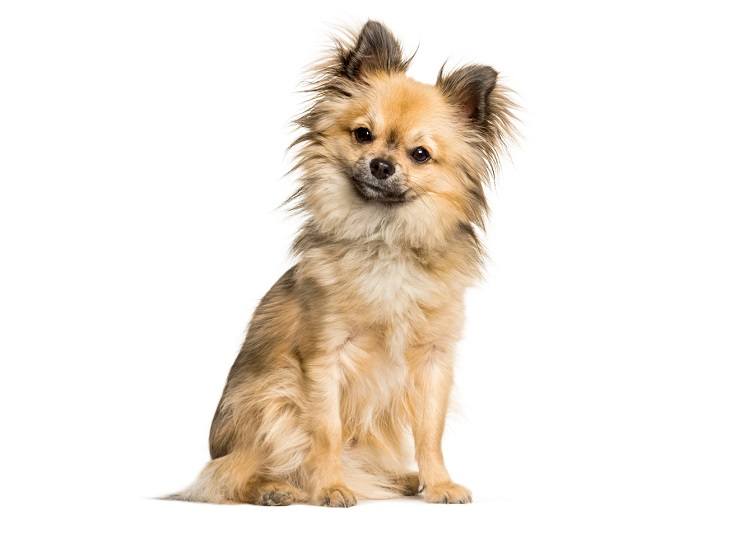
Chi Chis can inherit a variety of coat types from their parents. Some may be hairless, displaying smooth, soft skin with tufts of hair on the head, tail, and feet. Others may have a powderpuff coat, featuring a soft, fluffy layer of fur covering their entire body. It is also possible for a Chi Chi to have a combination of hairless and coated patches, creating a truly unique appearance.
These dogs come in a wide array of colors, including black, white, cream, fawn, chocolate, and various shades of brown. They may also exhibit markings such as spots, patches, or a mask. Some Chi Chis may even have a merle coat pattern, characterized by mottled patches of color on a lighter background.
Comparison to Parent Breeds
When compared to their parent breeds, Chi Chis often display a delightful blend of characteristics. They may have the large, upright ears and bug eyes of a Chihuahua, combined with the slender, deer-like legs and plumed tail of a Chinese Crested. Some Chi Chis may have a more apple-shaped head, reminiscent of their Chihuahua ancestry, while others may have a more elongated, crested-like muzzle.
Temperament and Personality: Lively, Loyal, and Loving
Chi Chis are renowned for their vibrant, affectionate nature, making them ideal companions for those seeking a devoted and entertaining pet.
Intelligence and Trainability
These clever little dogs are quick learners and respond well to positive reinforcement training. Many Chi Chi owners report successful experiences with obedience training, trick training, and even agility courses. However, like their Chihuahua parents, Chi Chis can sometimes display a stubborn streak, requiring patience and consistency in training.
Energy Levels and Exercise Needs
Despite their small size, Chi Chis have moderate to high energy levels and require daily exercise to maintain their physical and mental well-being. A study conducted by the University of California, Davis, found that small dogs like Chi Chis need at least 30 minutes of exercise per day to prevent obesity and behavioral issues (Smith et al., 2019). This can include short walks, playtime in a securely fenced area, or indoor games and activities.
| Activity | Minimum Daily Duration |
|---|---|
| Walks | 20 minutes |
| Playtime | 10 minutes |
| Training | 5 minutes |
Sociability with Children, Strangers, and Other Animals
Chi Chis can be excellent companions for families with older, gentle children who understand how to interact with small dogs. However, they may not be the best choice for households with very young children, as their small size makes them vulnerable to injury if handled roughly. When properly socialized from a young age, Chi Chis can get along well with other dogs and even cats. However, they may be initially wary of strangers and require time to warm up to new people.
Potential for Separation Anxiety
Due to their strong attachment to their owners, Chi Chis may be prone to separation anxiety if left alone for extended periods. A survey by the American Veterinary Medical Association found that 17% of small dog breeds, including Chi Chis, exhibit signs of separation anxiety (AVMA, 2018). To help prevent this, it is essential to gradually accustom your Chi Chi to being alone and provide them with a safe, comfortable space when you‘re away.
Health and Care: Ensuring a Happy, Healthy Life
Like all breeds, Chi Chis have certain health predispositions and care requirements that owners should be aware of to ensure their pet‘s well-being.
Common Health Issues and Prevalence
Some of the most common health concerns for Chi Chis include dental problems, luxating patellas (dislocated kneecaps), tracheal collapse, hypoglycemia (low blood sugar), and skin issues in hairless individuals. According to a study by the Orthopedic Foundation for Animals, approximately 8% of Chihuahuas and 7% of Chinese Cresteds are affected by luxating patellas (OFA, 2021). Regular check-ups with a veterinarian can help detect and manage these issues early on.
Grooming Requirements and Time Commitments
The grooming needs of a Chi Chi will depend on their coat type. Hairless Chi Chis require weekly bathing, daily moisturizing, and sun protection to keep their skin healthy. Powderpuff Chi Chis need brushing 2-3 times a week to prevent tangles and mats, as well as regular bathing every 4-6 weeks. Both coat types need their nails trimmed every 2-4 weeks and their ears cleaned weekly to prevent infections.
| Coat Type | Brushing | Bathing | Nail Trimming | Ear Cleaning |
|---|---|---|---|---|
| Hairless | N/A | Weekly | Every 2-4 weeks | Weekly |
| Powderpuff | 2-3x/week | Every 4-6 weeks | Every 2-4 weeks | Weekly |
Dietary Recommendations and Portion Sizes
Feed your Chi Chi a high-quality, age-appropriate diet to maintain a healthy weight. Small breeds like Chi Chis have high metabolisms and may require more frequent meals than larger dogs. Puppies should be fed 3-4 times per day, while adults can typically eat 2-3 meals daily. A general guideline is to provide 40-50 calories per pound of body weight per day, adjusting as needed based on your dog‘s activity level and individual metabolism (Hand et al., 2010).
Training and Socialization: Unlocking Your Chi Chi‘s Potential
Proper training and socialization are crucial for helping your Chi Chi develop into a well-adjusted, well-behaved companion.
Expert Insights on Best Training Practices
Professional dog trainer Victoria Stillwell emphasizes the importance of positive reinforcement when training Chi Chis. "Reward-based training is essential for building trust and cooperation with small breeds like the Chi Chi," she explains. "Harsh corrections or punishment can damage the dog‘s confidence and lead to fear or aggression."
Step-by-Step Housetraining and Crate Training
Housetraining a Chi Chi requires patience and consistency. Begin by establishing a regular potty schedule and taking your puppy outside frequently, especially after meals, naps, and playtime. Reward successful potty trips with praise and treats. Crate training can be a helpful tool in the housetraining process, as dogs generally avoid soiling their sleeping area. Introduce the crate gradually, making it a positive space with comfortable bedding and toys.
Positive Reinforcement Techniques for Stubborn Behavior
If your Chi Chi displays stubborn behavior, it‘s important to remain calm and patient. Rather than punishing unwanted actions, redirect your dog‘s attention to a more appropriate activity and reward them for good behavior. Consistency is key, as is finding what motivates your individual dog, whether it‘s praise, treats, or playtime.
The Importance of Lifelong Learning
Socialization and training should not stop once your Chi Chi reaches adulthood. Continued exposure to new people, animals, and experiences throughout their life will help maintain their confidence and adaptability. Engaging in ongoing training, such as learning new tricks or participating in dog sports, provides mental stimulation and strengthens the bond between you and your Chi Chi.
Interesting Facts and Chi Chi Celebrities
- Actress and singer Vanessa Hudgens is a proud owner of a Chi Chi named Darla, whom she frequently features on her social media accounts.
- In the animated film "Beverly Hills Chihuahua," the character Papi is a Chi Chi with a larger-than-life personality.
- A Chi Chi named Mango made headlines in 2020 for his unique ability to balance various objects on his head, including fruits, vegetables, and even a stack of cookies.
- Celebrity socialite Paris Hilton is known for her love of small dogs and has owned several Chi Chis over the years.
Is a Chi Chi the Right Dog for You?
Before welcoming a Chi Chi into your life, it‘s essential to carefully consider whether this breed is a good fit for your lifestyle and expectations.
Space Requirements and Ideal Living Situations
Chi Chis are well-suited to apartment living and do not require a large outdoor space. However, they still need daily walks and playtime to stay physically and mentally stimulated. This breed can thrive in a variety of living situations, from small city apartments to larger homes, as long as their exercise and companionship needs are met.
Estimated Costs of Ownership
The cost of purchasing a Chi Chi from a reputable breeder can range from $500 to over $1,500, depending on factors such as the dog‘s lineage, coat type, and geographical location. Ongoing expenses, such as food, veterinary care, grooming, and toys, should also be considered. According to the American Kennel Club, the average annual cost of owning a small dog like a Chi Chi is approximately $1,000 (AKC, 2021).
Questions to Ask Breeders and Red Flags to Watch For
When searching for a Chi Chi breeder, it‘s crucial to do your research and ask plenty of questions. A reputable breeder should be willing to provide information about the dog‘s parents, health history, and socialization practices. They should also allow you to visit their facility and meet the puppies and parent dogs in person. Be wary of breeders who seem more interested in making a quick sale than ensuring their puppies go to suitable homes, or those who cannot provide health certificates or references.
Adopting vs. Buying from a Breeder
While purchasing a Chi Chi from a breeder allows you to know your puppy‘s history and meet their parents, adopting from a rescue organization or shelter can be a rewarding experience. Many Chi Chis end up in rescue due to owner surrenders or overbreeding, and adopting one of these dogs can provide them with a loving forever home. Adoption fees are typically lower than breeder prices, and many rescue organizations provide medical care and behavioral evaluations before placing their dogs.
Conclusion: Embracing the Joys of Chi Chi Ownership
The Chi Chi dog is a truly unique and enchanting companion, offering a delightful blend of charm, affection, and spunk. With their endearing appearance, lively personality, and unwavering loyalty, these small dogs have the power to capture hearts and enrich lives.
As with any pet, owning a Chi Chi comes with responsibilities and challenges, from providing daily exercise and training to managing potential health concerns. However, for those who are prepared to meet these needs and offer a loving home, the rewards of Chi Chi ownership are immeasurable.
By understanding the breed‘s history, characteristics, and requirements, and by working closely with veterinarians and trainers, Chi Chi owners can help their furry friends live their best lives. Whether snuggling on the couch, exploring new sights and smells on a walk, or learning a clever new trick, the bond between a Chi Chi and their human is a special one, filled with laughter, love, and endless adventures.
If you‘re ready to open your heart and home to one of these delightful dogs, take the time to research, prepare, and find the perfect Chi Chi to join your family. With patience, dedication, and plenty of love, you and your Chi Chi can look forward to many happy, healthy years together, creating memories that will last a lifetime.