The Dachshund Vizsla Mix: A Lively, Loving Hybrid Dog

As a veterinarian and lifelong dog lover, I‘ve had the pleasure of working with countless canines of all shapes, sizes, and breeds. But there‘s one unique mixed breed that never fails to bring a smile to my face: the dachshund vizsla mix. This energetic, affectionate hybrid combines the best traits of two very different dogs into one seriously adorable package.
Whether you‘re already smitten with this special mix or just curious to learn more, you‘ve come to the right place. In this comprehensive guide, we‘ll dive into the history, characteristics, care needs, and pros and cons of dachshund vizsla mixes to help you decide if this could be the perfect pup for you. Let‘s get started!
Origins of the Dachshund Vizsla Mix
First, let‘s take a closer look at the parent breeds that make up this marvelous mix. The dachshund, also known as the "wiener dog" or "sausage dog", is a small hound breed that originated in Germany over 300 years ago. With their long, low bodies and stubby legs, dachshunds were originally bred to hunt small game and rodents that burrowed underground.
There are two sizes of dachshund (standard and miniature) and three coat types (smooth, long, and wire-haired). But all dachshunds share the same bold, tenacious, and sometimes stubborn temperament. They are clever, curious dogs with a high prey drive and an independent streak.
On the other side of the family tree is the vizsla, a medium-sized sporting dog from Hungary. Originally bred as a pointer and retriever to work alongside hunters, the vizsla is known for its athletic prowess, keen sense of smell, and limitless energy. They are also famous for being velcro dogs that crave constant companionship.
Vizslas have a short, smooth coat in a striking rusty red color. They are gentle, sensitive dogs that thrive on human interaction and can become anxious if left alone too long. Vizslas excel in various dog sports like agility, dock diving, and fieldwork thanks to their a
thletic build and eager-to-please nature.
So what happens when you mix these two vastly different purebreds? You get a one-of-a-kind dog that inherits a unique blend of both parents‘ physical and personality traits. The dachshund vizsla mix has been growing in popularity over the last decade as more people fall in love with these lively, loyal pups.
Physical Characteristics and Size
Dachshund vizsla mixes are medium-sized dogs that typically weigh 20-50 pounds and stand 10-15 inches tall at the shoulder when full grown. Their body shape and structure usually favors the dachshund side, with a longer back, barrel chest, and relatively short legs. However, they are more athletic and agile than a purebred dachshund.
Here‘s a helpful size chart to give you an idea of how big your dachshund vizsla puppy may grow:
| Age | Weight Range | Height Range |
|---|---|---|
| 8 weeks | 5-10 lbs | 6-8 inches |
| 16 weeks | 10-20 lbs | 8-10 inches |
| 6 months | 15-30 lbs | 9-12 inches |
| 1 year | 20-50 lbs | 10-15 inches |
In terms of coat colors, dachshund vizsla mixes can inherit any of the colors and patterns seen in their parent breeds. The most common colors are shades of rust, red, and brown, either solid or with tan or white markings. Some may have black and tan coloring like a dachshund. Their coat is usually short and smooth, but longer coats are possible if the dachshund parent was long-haired.
Temperament and Personality
As with any mixed breed dog, the temperament of a dachshund vizsla mix can vary depending on which parent breed they take after most. In general, you can expect a pup with the friendly, people-oriented nature of a vizsla combined with the bold, independent spirit of a dachshund.
Dachshund vizsla mixes are lively, playful dogs that love being the center of attention. They bond closely with their humans and crave companionship, but they are not typically aggressive or overly shy. Most are good with kids and other dogs, but their strong prey drive means they may not do well with smaller pets.
Barb R., a long-time dachshund vizsla mix owner from Seattle, describes her dog Rudy‘s personality this way:
"Rudy is my constant sidekick and adventure buddy. He‘s always ready to go, whether it‘s a hike, a trip to the dog park, or just a car ride around town. He loves meeting new people and dogs but he definitely has a mind of his own. He‘s not afraid to let me know when he doesn‘t want to do something. But at the end of the day, he‘s the most loyal, loving dog I could ask for. He just wants to be where I am."
Exercise Needs and Energy Level
One of the most important things to know about dachshund vizsla mixes is that they are high energy dogs with substantial exercise needs. This is not a breed that will be content with a quick walk around the block. To keep them physically and mentally fit, plan on providing 60-90 minutes of exercise per day, split between walks, playtime, and brain games.
Dachshund vizsla mixes inherit the athletic endurance of the vizsla and the tenacious spirit of the dachshund, which means they love being active. They excel at dog sports like agility, flyball, nose work, and more. Many also enjoy swimming, which is a great low-impact exercise to protect their long backs.
At the same time, dachshund vizsla mixes can adapt well to apartment or city living as long as their exercise needs are met. They don‘t require a huge yard and are generally not excessive barkers. But without enough mental stimulation and physical activity, they can quickly become bored and destructive.
Puzzle toys, stuffed Kongs, training sessions, and indoor games are great ways to keep your dachshund vizsla mix‘s active mind engaged even when you can‘t get outside for long periods. These dogs are always up for a challenge and thrive on new experiences.
Training Tips and Strategies
Training a dachshund vizsla mix can be immensely rewarding but it does require patience, consistency, and a positive approach. They are intelligent, eager to please dogs that pick up new commands quickly – when they feel like it. The challenge is that they also have an independent streak a mile wide, which means they can be selective in following orders.
Like their dachshund parent, dachshund vizsla mixes can be stubborn and strong-willed at times. They are sensitive dogs that don‘t respond well to harsh corrections or punishment. Instead, focus on upbeat training sessions with plenty of praise, play, and high value treats to keep your dog engaged and motivated.
Some specific strategies that can help with training a dachshund vizsla mix:
- Start training early and keep sessions short to prevent boredom or frustration
- Use positive reinforcement techniques like clicker training
- Be consistent with rules and boundaries
- Provide mental stimulation with puzzle toys, nose work, and trick training
- Socialize extensively with new people, dogs, and environments
- Find a rewards your dog loves (food, toys, praise) and use it to your advantage
- Never punish or scold your dog for making a mistake
With patient, consistent training, your dachshund vizsla mix can learn to be a well-mannered companion. But remember that these dogs are always going to have an independent mind of their own. They may not be the type to blindly obey every command, but they will be deeply devoted to you.
Grooming and Care
One of the great things about dachshund vizsla mixes is that they are relatively low maintenance when it comes to grooming. Their short, sleek coat is easy to care for with weekly brushing and the occasional bath. They do shed moderately year-round, with heavier shedding during change of seasons.
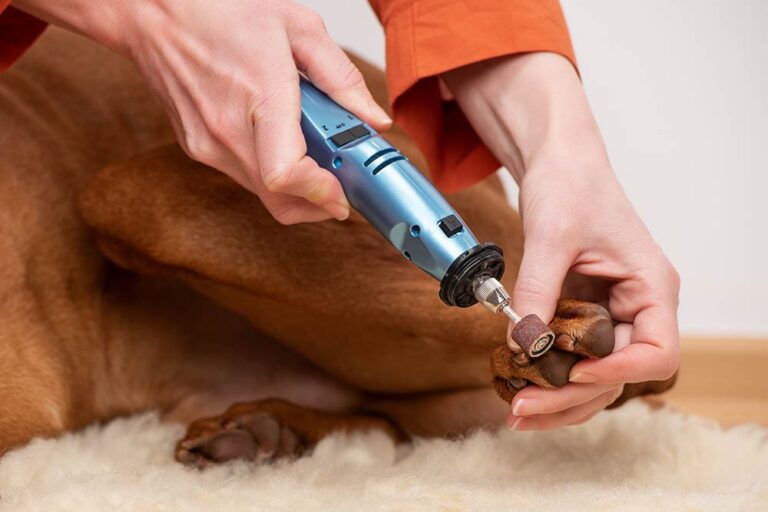
Other basic grooming needs include regular nail trims (every 3-4 weeks), ear cleaning (weekly to prevent infections), and dental care. Like their dachshund parent, this mix is prone to dental disease, so it‘s important to brush their teeth regularly and provide dental chews or toys.
Health and Lifespan
Dachshund vizsla mixes are generally healthy dogs with a lifespan of 12-15 years on average. However, like all breeds, they can be prone to certain health issues based on their unique genetic makeup. Some health problems to be aware of include:
-
Intervertebral disc disease (IVDD): Dachshunds are prone to spinal issues due to their long backs, and this risk can be inherited by mixes too. In fact, studies show that up to 25% of dachshunds will suffer from IVDD in their lifetime. Symptoms include pain, weakness, and paralysis.
-
Hip dysplasia: This genetic joint disorder is common in many breeds, including the vizsla. Dogs with hip dysplasia have a malformed hip joint that can cause pain and lameness.
-
Progressive retinal atrophy (PRA): This inherited eye disease leads to gradual vision loss and blindness. Both dachshunds and vizslas can carry the gene for PRA.
-
Hypothyroidism: An underactive thyroid gland can cause weight gain, hair loss, and lethargy. Dachshunds and vizslas are both predisposed to hypothyroidism.
-
Epilepsy: Seizure disorders like epilepsy can be inherited from either parent breed. If your dog has seizures, work with your vet to find the right medication and management plan.
-
Cancer: Vizslas have a higher than average incidence of certain cancers, including hemangiosarcoma, lymphoma, and mast cell tumors. Keep an eye out for any suspicious lumps or changes in your dog‘s health.
Of course, not every dachshund vizsla mix will develop these health problems. Many live long, healthy lives with no major issues. The best thing you can do is choose a reputable breeder who health tests their dogs, feed a high quality diet, keep your pup at a healthy weight, and stay up to date on preventive care like vaccinations and parasite control.
If you‘re considering rescuing a dachshund vizsla mix, ask about any known health issues and be prepared for potential medical expenses down the road. Adopting an older dog can give you a better idea of their long-term health outlook.
Is a Dachshund Vizsla Mix Right For You?
Now that you know all about the dachshund vizsla mix, you may be wondering if this is the right breed for your lifestyle. These spunky, affectionate dogs can make wonderful companions for the right person or family, but they are not the easiest dogs and are not a match for everyone.
A dachshund vizsla mix may be a good fit for you if:
- You are an active person who enjoys hiking, running, or playing with your dog
- You are home often and don‘t mind a velcro dog that always wants to be by your side
- You have experience with training and can devote time to socializing your pup
- You don‘t have small pets like cats, rabbits, or rodents
- You can handle a dog with an independent mind of their own
On the flip side, a dachshund vizsla mix may not be right for you if:
- You work long hours away from home or travel frequently
- You have a sedentary lifestyle and prefer a couch potato canine
- You live with small pets or young children and don‘t want to supervise constantly
- You want a dog that will obey your every command
- You can‘t afford potential veterinary bills for back problems or other health issues
Ultimately, the decision to welcome a dachshund vizsla mix into your life is a highly personal one. These unique pups have so much to offer the right family, but they are not the easiest first dogs and require dedicated owners willing to put in the time and energy to help them thrive.
I always recommend meeting several dachshund vizsla mixes in person, talking to current owners and reputable breeders or rescues, and doing your research before deciding if this mixed breed is a match. When you find the right dog for you, you‘ll be rewarded with a lifetime of love, laughs, and adventures together.