Is a Labradoodle a Good Hunting Dog? An Expert Analysis
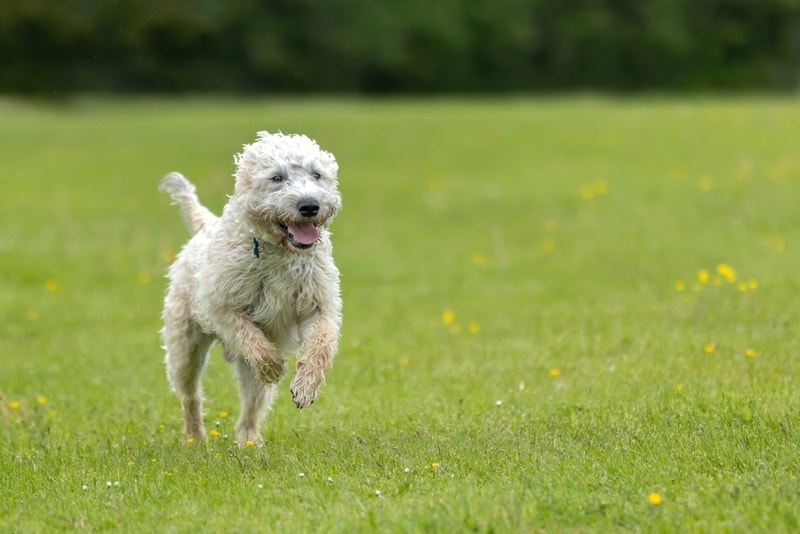
As a veterinarian and lifelong dog lover, I‘m often asked about the suitability of various breeds for specific tasks – including whether the popular labradoodle makes a good hunting dog. With their cute, curly coats and friendly dispositions, labradoodles have taken the companion dog world by storm in recent years. But does this designer hybrid have what it takes to excel in the field as a waterfowl retriever? Let‘s take a closer look at the labradoodle‘s history, traits, and potential as a gun dog.
The Labradoodle: Designer Dog Dilemma
First, it‘s important to understand exactly what a labradoodle is – and isn‘t. Unlike the Labrador Retriever or Poodle, the labradoodle is not a purebred dog breed. Rather, it‘s a cross between two breeds: the Labrador Retriever and the Standard Poodle. Labradoodles can be first generation crosses (a purebred Lab bred to a purebred Poodle), or the result of multigenerational breeding of labradoodle to labradoodle.
The labradoodle was first purposefully bred in Australia in the 1980s by Wally Conron, who was working as a breeding manager for the Royal Guide Dogs Association of Australia. His goal was to create a hypoallergenic guide dog by crossing the friendly, trainable Labrador Retriever with the low-shedding Poodle. And thus, the labradoodle was born – and quickly gained popularity around the world as an intelligent, even-tempered family companion dog.
However, it‘s important to note that the labradoodle was developed primarily to be an assistance/companion dog – not necessarily a hunting or working dog. In the decades since their creation, many breeders have focused on physical traits (curly coats and cute looks), temperament, and hypoallergenic qualities rather than field abilities. So the question remains – does today‘s labradoodle retain the strong hunting instincts of its parent breeds? To answer that, we need to examine the history and original purpose of the Poodle and Lab.
Hunting Heritage of the Poodle
When you picture a Poodle, images of a perfectly coiffed show dog or prancing companion may come to mind. But did you know this breed was originally developed as a hunting dog? The Standard Poodle, which is the largest of the three Poodle varieties, was bred in Germany in the 1600s as a water retriever. In fact, the name "Poodle" derives from the German word "pudelin," which refers to splashing in water.
Poodles have several physical characteristics that made them excel in their original retrieving role:
- Curly, dense coat that protects against cold water
- Tufts of hair around the chest, hips, and legs to protect joints and vital organs
- Webbed feet for strong swimming ability
- Powerful nose for tracking and retrieving game
- High intelligence for easy training
Poodles became popular hunting companions across Europe, particularly for duck hunting. They are also skilled at upland game hunting, able to sniff out and retrieve birds like quail and grouse. While Poodles today are more known for their companionship and shows skills, they still excel at retriever events and field trials – a testament to their innate hunting abilities.
The Labrador Retriever: Hunting Extraordinaire
The Labrador Retriever has reigned as the most popular dog breed in the United States for over 30 years, according to the American Kennel Club. And it‘s no wonder – with their friendly, outgoing personalities and eagerness to please, Labs make fantastic family dogs and companions. But this breed was originally developed for a very specific purpose – as an elite hunting and retrieving dog.
In the 1800s, the Labrador Retriever was developed in Newfoundland by English aristocrats who wanted a dog that could excel at retrieving ducks and other waterfowl. They started with the St. John‘s Water Dog, a now-extinct breed native to Canada, and honed it into the quintessential gun dog. Labs served as hunting companions for English nobles and were later brought back to England, where they gained wider recognition.
Several key traits make the Labrador Retriever a standout hunting dog:
- Thick, water-repellent double coat for retrieving in cold water
- "Otter tail" that acts as a rudder for strong swimming skills
- Soft, full lips and gentle bite for carrying game without damage
- Stable, friendly temperament with strong desire to work with humans
- Exceptional nose for tracking and finding downed game
- Tireless stamina and strong work ethic
Today, the Labrador Retriever is still used widely as a hunting companion – particularly for duck and waterfowl hunting. They also excel in hunt tests, field trials, and game recovery. According to the American Kennel Club, over 150,000 Labrador Retrievers are registered each year – and a significant portion are still used as gun dogs.
The Labradoodle‘s Hunting Potential
So, both the Labrador Retriever and Standard Poodle were originally bred to be skilled hunting dogs – particularly as water retrievers. In theory, crossing these two breeds should result in a dog with strong inherited hunting instincts that can be honed with proper training.
However, the reality is a bit more complicated. As mentioned earlier, the labradoodle was developed primarily to be a companion and assistance dog. In the 30+ years since the initial Lab/Poodle crosses, breeders have focused their efforts on looks, coat type, and temperament – not field skills. Many labradoodles today are the result of multigenerational breedings (labradoodle to labradoodle), rather than first generation crosses of purebred Labs and Poodles.
This selective breeding for companionship may have caused some of those innate hunting instincts to fall by the wayside. In a survey conducted by the Hunting Dog Podcast, only 2% of labradoodle owners reported using their dogs for hunting – compared to over 30% of Labrador Retriever owners. While this is far from a scientific study, it suggests that the majority of today‘s labradoodles are companions rather than gun dogs.
That‘s not to say it‘s impossible for a labradoodle to excel as a hunting dog – there will certainly be some individuals that strongly exhibit prey drive, retrieving instincts, and stamina. But on the whole, the average labradoodle is less likely to be a standout in the field compared to purebred retrieving breeds that have been consistently bred for working ability.
Training a Labradoodle for Hunting
If you have your heart set on a labradoodle as a hunting companion, here are some tips to give you the best chance of success:
-
Find a reputable breeder that focuses on field ability. Look for a breeder that specializes in hunting/working lines and does some level of field training or testing with their breeding dogs. First generation crosses of high-quality field-bred Labs and Poodles will likely have the strongest hunting instincts.
-
Start training early. Expose your labradoodle puppy to water, game birds, gunfire, and other hunting stimuli from a young age. Enroll in a retriever training program or work with an experienced hunting dog trainer to hone your pup‘s skills.
-
Focus on obedience and control. Labradoodles are intelligent dogs that are usually eager to please, but they can also be easily distracted. Ensure your dog has a rock-solid recall and will obey commands even with major temptations.
-
Build retrieving desire through play. Encourage your labradoodle‘s natural retrieving instincts with fun games like fetch and tug. Use training dummies and real game birds to get your dog excited about picking up and delivering to hand.
-
Test your dog‘s progress. Attend local hunt tests or field trials to see how your labradoodle measures up to other retrievers. This can help identify areas that need more training.
-
Be realistic in your expectations. Even with dedicated training, your labradoodle may never reach the level of a purebred Lab or other field-bred gun dog. Celebrate the progress you make and appreciate your dog‘s strengths.
The Versatile Labradoodle
At the end of the day, labradoodles are highly variable in their physical traits and personalities due to their hybrid status. Some may make skilled hunting companions, while others are more suited for therapy work, service dog roles, or being a loving family pet.
One major advantage of the labradoodle is their adaptability – they tend to be friendly, outgoing dogs that can thrive in a variety of situations. So even if your labradoodle doesn‘t end up being a rockstar in the duck blind, chances are they will still enrich your life in countless other ways.
As a veterinarian, I always stress the importance of researching breeders carefully and having realistic expectations when getting a designer hybrid dog. Meet the parent dogs if possible, ask about health clearances, and observe the puppies‘ temperaments. A reputable breeder will be happy to answer all your questions and help match you with the right pup for your lifestyle.
With proper socialization, training, and care, the labradoodle can wear many hats: therapy dog, service animal, faithful companion…and yes, perhaps even a capable gun dog. But their true gift is their ability to bring joy, laughter, and unconditional love to the humans lucky enough to call them family. And in my book, that‘s the most important job of all.
References
- American Kennel Club. Labrador Retriever.
- American Kennel Club. Poodle (Standard).
- Australian Labradoodle Association of America. Breed History.
- Hunting Dog Podcast. Are Labradoodles Good Hunting Dogs? March 16, 2022.