The Delightful Dalmatian: A Comprehensive Guide to This Energetic and Iconic Breed
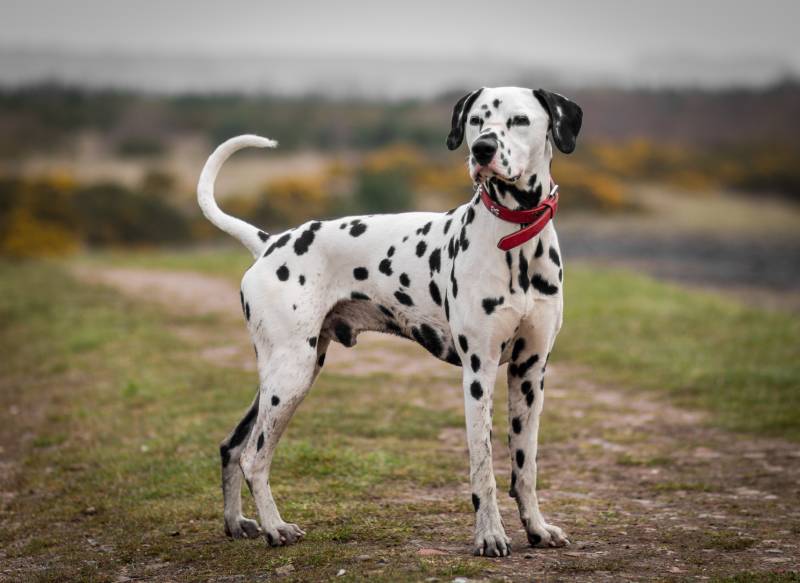
With their distinctive spotted coats and outgoing personalities, Dalmatians are one of the most recognizable and beloved dog breeds around the world. Immortalized in the classic Disney film "101 Dalmatians," these athletic and intelligent canines have a rich history and make devoted companions for the right owners. If you‘re considering welcoming a Dalmatian into your life, it‘s important to understand their unique characteristics, needs, and quirks. In this comprehensive guide, we‘ll delve into all things Dalmatian to help you determine if this iconic breed is the perfect fit for you and your lifestyle.
Origin and History
The exact origins of the Dalmatian are somewhat murky, but it‘s believed that the breed developed in the region of Dalmatia, located along the Adriatic Sea in present-day Croatia. Illustrations resembling the Dalmatian have been found on ancient Egyptian tombs and Greek frescos, suggesting that spotted dogs similar to the modern Dalmatian have existed for thousands of years.
Throughout history, Dalmatians have served in a variety of roles thanks to their athleticism, endurance, and loyalty. In the 1700s, they became popular as carriage dogs, running alongside horse-drawn coaches and guarding the horses and passengers when the coach was at rest. This association with horses led to their status as firehouse mascots in the 1800s, as they would run ahead of the horse-drawn fire carriages to help clear a path and guide the horses to the fire.
Dalmatians have also been used as war dogs, sentries, shepherds, retrievers, ratters, and circus performers. Today, they are primarily companion dogs, but their working dog heritage is still evident in their high energy levels and desire to have a job to do.
Physical Characteristics
One of the most distinctive features of the Dalmatian is, of course, their spotted coat. Dalmatian puppies are born pure white, and their spots develop within the first few weeks of life. By the time they are several months old, their spots are fully developed and will not change. Each Dalmatian‘s spotting pattern is unique, like a human fingerprint, and can range from a few dozen to several hundred spots.
Dalmatians are medium-large dogs, typically weighing between 45-70 pounds and standing 19-24 inches tall at the shoulder. They have a muscular build, deep chest, and powerful hindquarters that reflect their history as endurance runners. Their coats are short, dense, and glossy, with color combinations of either black or liver brown spots on a white background.
Temperament
Dalmatians are known for their outgoing, playful, and energetic personalities. They are intelligent and eager to please, but can also be independent and stubborn at times. As former coach dogs, they have a strong desire to run and need plenty of daily exercise to stay happy and healthy.
With their families, Dalmatians are affectionate and loyal companions who thrive on human interaction. They are generally good with children, but their exuberant play style may be overwhelming for very young kids. Socialization from a young age is important as Dalmatians can be reserved or aloof with strangers and may display aggression towards other dogs, particularly those of the same sex.
Dalmatians are highly people-oriented and do not tolerate being left alone for long periods. They can develop separation anxiety if not given enough attention and stimulation, which may lead to destructive behaviors like chewing or excessive barking.
Exercise and Training
As a high-energy working breed, Dalmatians require significant amounts of daily exercise to stay physically and mentally satisfied. A minimum of 2 hours of activity per day is recommended, which can include long walks, runs, hikes, trips to the dog park, backyard play sessions, and canine sports like agility or flyball. Without enough exercise, Dalmatians can become bored, anxious, and destructive.
Training a Dalmatian can be a challenge due to their intelligence and independent streak. They can be stubborn and are not always eager to obey commands, so a firm and consistent approach is necessary. Positive reinforcement methods work best, as harsh corrections may cause the dog to shut down or become even more wilful. Like all breeds, Dalmatians benefit from early socialization to help them develop into well-adjusted adult dogs.
Dalmatians are best suited for experienced owners who have the time and energy to devote to their training and exercise needs. First-time dog owners may find the breed overwhelming, and those who are away from home frequently are not a good match for a Dalmatian‘s social nature and attachment to family.
Grooming and Care
Despite their striking coats, Dalmatians are relatively low-maintenance in the grooming department. Their short, dense coat sheds moderately year-round, but regular brushing with a soft bristle brush or hound glove can help remove loose hair and keep the coat shiny. Dalmatians only need occasional baths, unless they‘ve gotten into something messy.
Other grooming needs include regular nail trims, ear cleaning, and dental care. Dalmatians are prone to tartar buildup on their teeth, so daily brushing or the use of dental chews can help maintain good oral health.
Health Concerns
Like all purebred dogs, Dalmatians are prone to certain genetic health issues. The most well-known health concern in the breed is deafness, which affects approximately 20-30% of Dalmatians. This is due to the gene that causes their distinctive spotting also being linked to deafness. Responsible breeders will have their puppies BAER (Brainstem Auditory Evoked Response) tested to determine their hearing status before placing them in homes.
Other health issues that can affect Dalmatians include hip dysplasia, allergies, thyroid disease, and urinary stones. Dalmatians have a unique urinary metabolism that predisposes them to forming stones, so providing plenty of fresh water and feeding a low-purine diet can help prevent stone formation. Regular check-ups with a veterinarian and screening tests can catch potential health problems early.
Fun Facts
-
The Dalmatian is the official firehouse dog, but they actually became associated with firefighters long before the invention of motorized fire trucks. In the 1700s, Dalmatians would run ahead of horse-drawn fire carriages to help clear a path and guide the horses, and their presence helped calm and comfort the horses during chaotic fire scenes.
-
Dalmatians are born completely white, and their spots develop within a few weeks after birth. By three or four months old, a Dalmatian puppy will have most of its spots, which can range from a few dozen to several hundred. No two Dalmatians have the exact same spot pattern.
-
The Dalmatian is named for the region of Dalmatia, located along the Adriatic Sea in Croatia, but the exact origins of the breed are unknown. Depictions of spotted dogs have been found in artwork from ancient Egypt, Greece, and Rome, suggesting that dogs similar to Dalmatians have existed for thousands of years.
-
Dalmatians have gone by many names throughout history, including the English Coach Dog, the Spotted Dick, the Firehouse Dog, and the Carriage Dog. They‘ve also been used as war dogs, sentries, shepherds, retrievers, and circus performers.
-
A group of Dalmatians is called a "Coach," recalling their historical role as coach dogs who would run between the axles of horse-drawn carriages.
-
Dalmatians have been popular in literature and film, most famously in Dodie Smith‘s 1956 novel "The Hundred and One Dalmatians" which inspired the classic Disney animated film "101 Dalmatians." The book and movie‘s popularity led to a surge in demand for Dalmatian puppies, but many owners were unprepared for the breed‘s high energy levels and ended up surrendering them to shelters. The lesson is to always research a breed thoroughly before deciding to bring one home!
Is a Dalmatian Right for You?
Dalmatians are intelligent, loyal, and affectionate dogs who bond closely with their families, but they are not the right fit for everyone. Their extremely high exercise needs, potential stubbornness, and tendency towards destructive behaviors if bored or anxious make them a challenge for novice owners. Dalmatians do best with experienced owners who have an active lifestyle and can provide the training, attention, and adventures that these energetic dogs crave.
If you decide to welcome a Dalmatian into your home, look for a responsible breeder who performs health testing on their breeding dogs and socializes their puppies before sending them to their new homes. Alternatively, check with Dalmatian rescue organizations to adopt an adult dog in need of a loving family.
Living with a Dalmatian can be immensely rewarding for owners who appreciate their clownish sense of humor, tireless enthusiasm, and deep devotion to family. With the right exercise, training, and care, these iconic spotted dogs make wonderful companions who will keep you on your toes and fill your life with unique dalma-tude.