The Fascinating World of Fox Red Labrador Retrievers
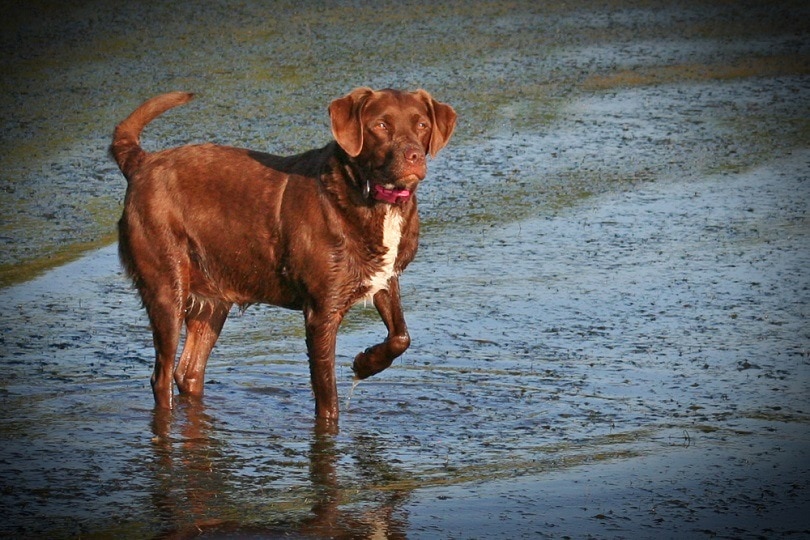
As a dog lover and veterinary expert, I‘ve always been captivated by the Labrador Retriever‘s friendly nature, keen intelligence, and unwavering loyalty. But there‘s one variety of this beloved breed that never fails to stop me in my tracks with their stunning good looks – the Fox Red Labrador Retriever.
With their rich, burnished coats and soulful eyes, Fox Red Labs are undeniably eye-catching. But there‘s so much more to these remarkable dogs than just their pretty faces. Let‘s dive into the fascinating history, unique characteristics, and enduring appeal of the Fox Red Labrador Retriever.
The Labrador Retriever: A Breed Born to Work
To truly appreciate the Fox Red Lab, it‘s essential to understand the breed‘s hardworking roots. The Labrador Retriever originated in Newfoundland, Canada, where they were valued as versatile working dogs in the early 1800s. Known then as the St. John‘s Water Dog or Lesser Newfoundland, these dogs were bred to assist fishermen by hauling nets, fetching ropes, and retrieving fish that escaped from fishing lines.[^1^]
Their keen sense of smell, strong swimming abilities, and "soft mouth" – the ability to gently carry game without damaging it – made them indispensable partners for hunters as well. When English noblemen visiting Canada witnessed the dogs‘ impressive skills, they brought some back to England to serve as hunting companions and family pets.[^2^]
The Rise of the Yellow Labrador
As interest in the Labrador breed grew, British breeders began refining the breed standard. Black was the most common color, but some dogs displayed shades of yellow and chocolate as well. In the late 19th and early 20th centuries, yellow Labs gained popularity among English aristocrats who favored their light coloring.[^3^]
However, this preference for pale yellow Labs meant that puppies displaying the darker, fox red shade were often viewed as undesirable. Sadly, it was not uncommon for breeders to cull red puppies at birth to avoid passing on the trait. This practice had a devastating impact on the gene pool for red-coated Labs, making them quite rare for many decades.
The Resurgence of the Fox Red Labrador
It wasn‘t until the late 20th century that a renewed appreciation for the striking Fox Red color began to emerge. In the 1980s, a handful of dedicated breeders in the United States and Canada started selectively breeding for the vibrant red shade, aiming to bring back this unique variation of the yellow Labrador.[^4^]
The road to consistent Fox Red litters was not an easy one. The deep, auburn color is a recessive genetic trait, meaning that both parent dogs must carry the gene to potentially produce Fox Red puppies. Even then, there are no guarantees – a litter may have only one or two red pups, or none at all.
But with careful breeding and a commitment to preserving the shade, more and more Fox Red Labs began to appear. Word spread about these eye-catching dogs, and demand for the color surged among Lab enthusiasts seeking something a little different.
The Fox Red Controversy
Despite their growing popularity, Fox Red Labradors still face some prejudice and controversy within the purebred dog world. The shade falls outside of the traditional yellow color described in the breed standard, which specifies a range from nearly white to gold.[^5^]
While the American Kennel Club (AKC) and other purebred registries recognize Fox Red Labs as a darker shade of yellow and allow them to compete in events, some judges and traditionalists view the color as atypical and may penalize them in the show ring.
It‘s important to note that the Fox Red shade has no bearing on a Labrador‘s abilities or temperament. Color is purely a cosmetic trait, and a well-bred Fox Red Lab will display all of the same wonderful qualities that have made the breed so beloved for generations.
The Fox Red Lab‘s Rising Star
Despite the lingering controversy, there‘s no denying that Fox Red Labradors are experiencing a meteoric rise in popularity. Puppy registrations for the color have increased dramatically in recent years, with more and more buyers specifically seeking out the stunning red shade.
In fact, according to registration statistics from the AKC, Labrador Retrievers have held the title of America‘s most popular dog breed for a record-breaking 30 consecutive years as of 2021.[^6^] While specific numbers for Fox Red registrations are not available, breeders and enthusiasts report a significant uptick in interest and demand.
Perhaps it‘s their striking good looks that first catch people‘s eye, but it‘s the breed‘s signature friendly, outgoing personality that truly wins hearts. Like all Labradors, Fox Reds are known for their boundless enthusiasm, goofy sense of humor, and innate desire to please their humans.
These versatile dogs excel in a wide range of roles beyond family pet, including service dog, therapy animal, search-and-rescue worker, and hunting companion. Their keen intelligence and strong work ethic make them highly trainable and adaptable to various environments and tasks.
Living with a Fox Red Labrador Retriever
As with any dog, welcoming a Fox Red Lab into your life is a big commitment. These high-energy, athletic dogs require plenty of daily exercise, mental stimulation, and human interaction to thrive.
Labradors are known for being "mouthy" – they love to carry things in their jaws and may be prone to chewing, especially as puppies. Providing plenty of safe, durable chew toys and teaching appropriate play behaviors from an early age is essential.
Positive reinforcement training methods work wonders with the intelligent, eager-to-please Lab. Start socializing your puppy early to a wide variety of people, animals, and environments to help them develop into a confident, well-mannered adult.
Like all retrievers, Fox Red Labs shed moderately year-round and will "blow coat" twice a year as the seasons change. Regular brushing and bathing can help manage shedding and keep their gorgeous coats looking their best.
One special consideration for those stunning red coats is that they may be slightly more prone to sun bleaching than lighter shades of yellow. Using a gentle shampoo formulated for red-coated dogs and limiting prolonged sun exposure can help maintain their rich, vibrant color.
Finding Your Perfect Fox Red Companion
If you‘re considering adding a Fox Red Labrador Retriever to your family, be prepared to do your research and exercise patience. Because the color is still relatively rare, you may need to join a waiting list with a reputable breeder specializing in the shade.
Expect to pay an average of $1,000 to $1,500 for a well-bred Fox Red Lab puppy, in line with prices for other colors. Be wary of anyone charging exorbitant prices for "rare" red puppies or promising specific shades. Responsible breeders prioritize health, temperament, and conformation above all else.
Look for a breeder who performs health screenings on their breeding stock, provides references, and offers a written contract and health guarantee. A reputable breeder will welcome questions and encourage ongoing communication long after you bring your puppy home.
With their striking good looks, friendly personalities, and versatile skillsets, it‘s no wonder Fox Red Labrador Retrievers are capturing hearts and turning heads wherever they go. Whether you‘re seeking a loyal family pet, a hardworking hunting partner, or a talented therapy dog, a Fox Red Lab may just be the perfect match for you.
As a lifelong dog lover and veterinary professional, I can attest to the joy and companionship these remarkable dogs bring to their lucky owners‘ lives. If you‘re ready for a devoted, fun-loving, and absolutely gorgeous four-legged friend, consider opening your heart and home to a Fox Red Labrador Retriever.
Breed Comparison: Fox Red Labrador Retriever vs. Other Retrievers
| Breed | Average Height | Average Weight | Coat Type | Coat Colors | Temperament | Trainability |
|---|---|---|---|---|---|---|
| Fox Red Labrador Retriever | 21.5-24.5 inches | 55-80 pounds | Short, dense, water-resistant | Rich auburn to light coppery red | Friendly, outgoing, eager to please | High |
| Golden Retriever | 21.5-24 inches | 55-75 pounds | Medium-length, wavy, water-repellent | Light to dark gold | Friendly, intelligent, devoted | High |
| Chesapeake Bay Retriever | 21-26 inches | 55-80 pounds | Short, thick, oily, wavy | Brown, sedge, deadgrass | Affectionate, bright, sensitive | Medium-High |
| Flat-Coated Retriever | 22-24.5 inches | 60-70 pounds | Medium-length, flat-lying, dense | Black, liver | Outgoing, optimistic, eager to please | High |
As this comparison shows, the Fox Red Labrador Retriever shares many similarities with other popular retriever breeds in terms of size, coat type, temperament, and trainability. However, their striking red coat sets them apart and adds to their undeniable charm and appeal.
[^1^]: Wiest, M. (2016, February 16). A Brief History of the Labrador Retriever. American Kennel Club. https://www.akc.org/expert-advice/dog-breeds/a-brief-history-of-the-labrador-retriever/[^2^]: The Labrador Retriever Club, Inc. (n.d.). Labrador Retriever History. https://thelabradorclub.com/about-the-breed/history/
[^3^]: Burrows, R. (2014, March 19). The History of The Labrador Retriever. The Labrador Site. https://www.thelabradorsite.com/labrador-history/
[^4^]: Fox Red Labrador Retriever Club. (n.d.). History of the Fox Red Labrador Retriever. https://www.foxredlabradorretrieverclub.com/history
[^5^]: American Kennel Club. (n.d.). Official Standard of the Labrador Retriever. https://www.akc.org/dog-breeds/labrador-retriever/
[^6^]: American Kennel Club. (2022, March 15). Labrador Retriever Holds Firm in Top Spot on American Kennel Club‘s List of Most Popular Dogs in the United States. https://www.akc.org/press-releases/labrador-retriever-holds-firm-in-top-spot-on-american-kennel-clubs-list-of-most-popular-dogs-in-the-united-states/