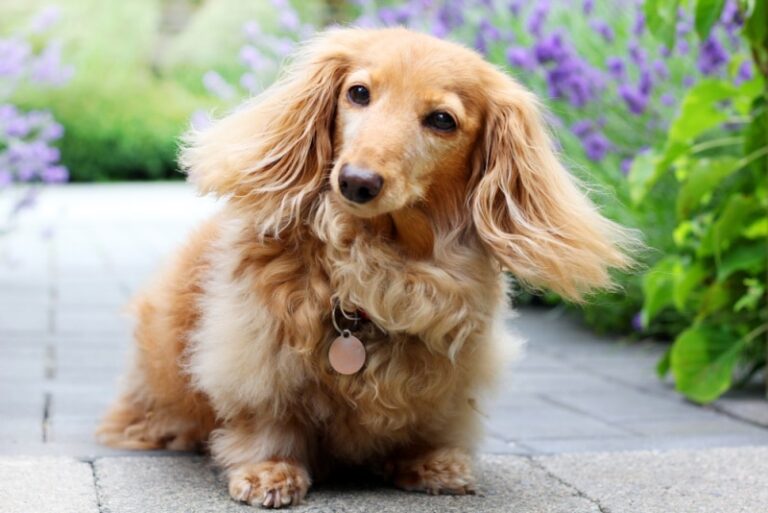
The German Australian Shepherd: A Comprehensive Guide to This Intelligent and Energetic Breed

The German Australian Shepherd, also known as a German Aussie, is a beautiful and unique hybrid dog that combines some of the best traits of its parent breeds – the German Shepherd and Australian Shepherd. Known for their striking good looks, keen intelligence, and endearing personalities, these versatile dogs can excel at a wide variety of roles from devoted family companion to hard-working herding and service dog.
Whether you‘re already the proud owner of a German Aussie or considering adding one to your life, this comprehensive guide will tell you everything you need to know about this remarkable breed. We‘ll delve into their history and origins, physical characteristics, temperament, training and exercise needs, grooming, health, and more.
Breed History and Origins
As a relatively new hybrid breed, the origins of the German Australian Shepherd are not entirely clear. Most likely, intentional crossbreeding between German Shepherds and Australian Shepherds began occurring in the United States sometime in the 1960s or 1970s as breeders sought to create the "ultimate" herding and working dog that combined the best qualities of both parent breeds.
Contrary to what their name suggests, Australian Shepherds were actually developed in the western United States, not Australia, in the 19th century. Basque shepherds who emigrated from Australia are thought to have brought some of the breed‘s ancestors with them to California, leading to the somewhat misleading name.
German Shepherds, on the other hand, can trace their lineage back to Germany in the late 1800s. They were originally bred to be medium-sized, intelligent, and trainable herding dogs but later distinguishing themselves as effective police, military, and service dogs.
By crossing these two popular and highly capable breeds, the German Australian Shepherd was born. While they are still not considered a purebred and haven‘t received official recognition from major kennel clubs, they‘ve been steadily growing in popularity among those who appreciate this exceptional combination of traits from two remarkable herding breeds.
Appearance and Physical Characteristics
One of the most striking things about the German Australian Shepherd is their beautiful and unique appearance. As a hybrid of two different breeds, their look can vary quite a bit from one dog to the next depending on which parent breeds‘ genes are more dominant.
In general, German Aussies are medium to large-sized dogs with muscular, athletic builds. Most weigh between 45-65 pounds and stand 20-23 inches tall at the shoulder when fully grown, with males typically being larger than females.
Their coats are medium-length, thick, and can range from straight to slightly wavy in texture. The most common coat colors seen in the breed are black, tan, and white, often with striking copper or merle markings similar to their Australian Shepherd parent. While less common, they can also come in solid colors like all-black or sable.
German Aussies have alert, pointed ears that typically stand erect and intelligent, expressive eyes that are usually brown or amber in color. Their long, tapered muzzles and black noses are framed by fluffy cheeks and neck ruffs. They have straight, bushy tails of medium length.
All in all, the German Australian Shepherd is an eye-catching and charismatic dog who tends to turn heads and garner second looks wherever they go. Their powerful, agile bodies hint at their working dog background while their striking markings and soft, expressive faces instantly endear them to all who meet them.
Temperament and Personality
When it comes to personality, the German Australian Shepherd tends to inherit some of the very best traits from both of their intelligent, people-oriented, and hard-working parent breeds. Most German Aussies are:
- Deeply loyal and devoted to their owners and families
- Highly intelligent and quick to learn new skills
- Energetic, playful, and always up for an adventure
- Affectionate and loving with a strong desire to please
- Alert and observant with strong protective instincts
- Brave and confident in new situations
Like both German Shepherds and Australian Shepherds, German Aussies need plenty of daily exercise, mental stimulation, and quality time with their people to be at their happiest. They can be prone to boredom, separation anxiety, and destructive behavior if left alone too often or not given adequate outlets for their high energy and sharp minds.
While they make exceptional companions for active individuals and families, German Aussies are probably not the ideal choice for first-time dog owners, those who are away from home frequently, or people looking for a low-key lapdog. Their high intensity, work drive, and tendency to herd anything that moves (including children and other pets) can be overwhelming for unprepared owners.
However, with proper training, socialization, and an outlet for their active bodies and minds, the German Australian Shepherd‘s loving nature, loyalty, and zest for life will quickly win the heart of anyone lucky enough to call one their own. Their affectionate, clownish antics and signature "wigglebutt" will keep their owners constantly smiling.
Training and Exercise Needs
As highly intelligent, energetic, and eager to please dogs, German Australian Shepherds are generally a breeze to train in the right hands. Like any dog, they do best with positive reinforcement methods, consistency, and an experienced owner who can establish kind but firm leadership.
German Aussies need at least 60-90 minutes of strenuous activity every day to keep them physically and mentally fit. Long walks, running, hiking, swimming, agility practice, herding, nose work, and playing Frisbee are all great ways to exercise their bodies and engage their keen minds. Two or more play sessions per day are ideal.
On the training front, early socialization is key to helping German Aussies grow into confident, well-adjusted adult dogs. Puppy kindergarten classes are highly recommended, as are ongoing obedience classes throughout their lives. Exposing them to new people, places, sights, and sounds is important to prevent fear and aggression down the road.
With their strong work ethic and drive to learn new things, German Aussies tend to pick up basic obedience commands very quickly. They can also excel in advanced training pursuits like agility, herding, search-and-rescue, nose work, and even service dog roles with the right instruction.
Coat and Grooming Requirements
The German Australian Shepherd‘s lush, fluffy coat is one of their most eye-catching features but also requires some regular upkeep to stay looking its best. They are moderate to heavy shedders, especially during seasonal coat-blowing periods, so weekly brushing is a must to keep flyaways under control.
Thankfully, their medium-length double coat is relatively easy to groom compared to some breeds. Line brushing with a sturdy bristle brush or rake 3-4 times per week should suffice for everyday coat maintenance, with more frequent sessions during heavy shedding season.
Bathing every 4-8 weeks with a gentle dog shampoo will help keep their skin and coat clean and healthy. Their nails should be trimmed regularly to prevent painful overgrowth and cracking. Dental care is also important for German Aussies, with daily toothbrushing being ideal to prevent gum disease and tooth loss.
Health and Lifespan
Like their purebred parents, German Australian Shepherds are generally healthy, robust dogs with an average lifespan of 10-14 years. However, they can be prone to some of the same genetic health issues seen in German Shepherds and Australian Shepherds, including:
- Hip and elbow dysplasia
- Eye problems like progressive retinal atrophy, cataracts, and collie eye anomaly
- Epilepsy and seizures
- Bloat (gastric torsion)
- Autoimmune thyroiditis
- Certain cancers like hemangiosarcoma and lymphoma
The best way to minimize the risk of genetic health problems is to choose a German Aussie puppy from a responsible breeder who conducts thorough health testing on their breeding stock. Staying on top of preventive care like annual vet check-ups, maintaining a healthy weight and diet, getting enough exercise, and keeping up with dental care and flea/tick/heartworm prevention can also help these dogs live a long, healthy life.
Living Situation and Socialibility
Because of their high energy and space requirements, German Australian Shepherds are best suited for homes with securely fenced yards where they can run, play, and burn off steam. They generally don‘t do well in apartments or living situations where they are confined for long periods without enough exercise and mental stimulation. Access to trails, parks, beaches and other places where they can stay active is a big plus.
German Aussies have strong herding and protective instincts, so proper socialization is a must to prevent aggression or shyness, especially toward strangers. Luckily, they are very trainable and tend take well to meeting new people and animals when introduced positively from a young age. Many enjoy the company of another dog to play with as long as they are well-matched in terms of size and play style.
When it comes to children, German Australian Shepherds can make wonderful playmates for sensible, gentle kids over the age of six. Young children may be accidentally knocked over by their exuberant play style and herding behavior. As with any breed, all interactions between dogs and kids should be closely supervised for everyone‘s safety.
Fun Facts
- In the famous 1980s TV series "Punky Brewster," Brandon the Wonder Dog was played by a German Australian Shepherd named Sandy.
- During WWII, the United States Marine Corps briefly experimented with using German Australian Shepherds as messenger dogs on the front lines of battle in the Pacific. Several boats of German Aussies even participated in the famous Battle of Guadacanal.
- The very first canine to earn an associate degree from a major American university was a German Australian Shepherd therapy dog named Daniel. He attended every lecture and passed all his exams alongside his disabled veteran owner at University of Montana.
- One heroic German Aussie named Biscuit saved the life of his elderly owner by dialing 911 on a special emergency phone and barking for the operator when she collapsed from a stroke. Biscuit had been trained to call for help by pushing a speed-dial button with his nose in case of emergency.
Conclusion
With their striking good looks, keen intelligence, affectionate nature, and impressive versatility, it‘s no wonder that the German Australian Shepherd is one of the fastest-growing hybrid breeds in terms of popularity. For experienced, active owners who are willing to put in the time and effort required to properly train, socialize, and exercise these exceptional dogs, the rewards of sharing your life with a German Aussie are truly immeasurable.
Their loyalty, goofy sense of humor, strong work ethic, protective instincts, and zest for life make them a joy to be around and a devoted companion like no other. If you think you have what it takes to keep up with these magnificent dogs, the German Australian Shepherd may just be the perfect breed for you.