The Golden Border Retriever: Your Guide to This Brilliant, Beautiful Hybrid Breed
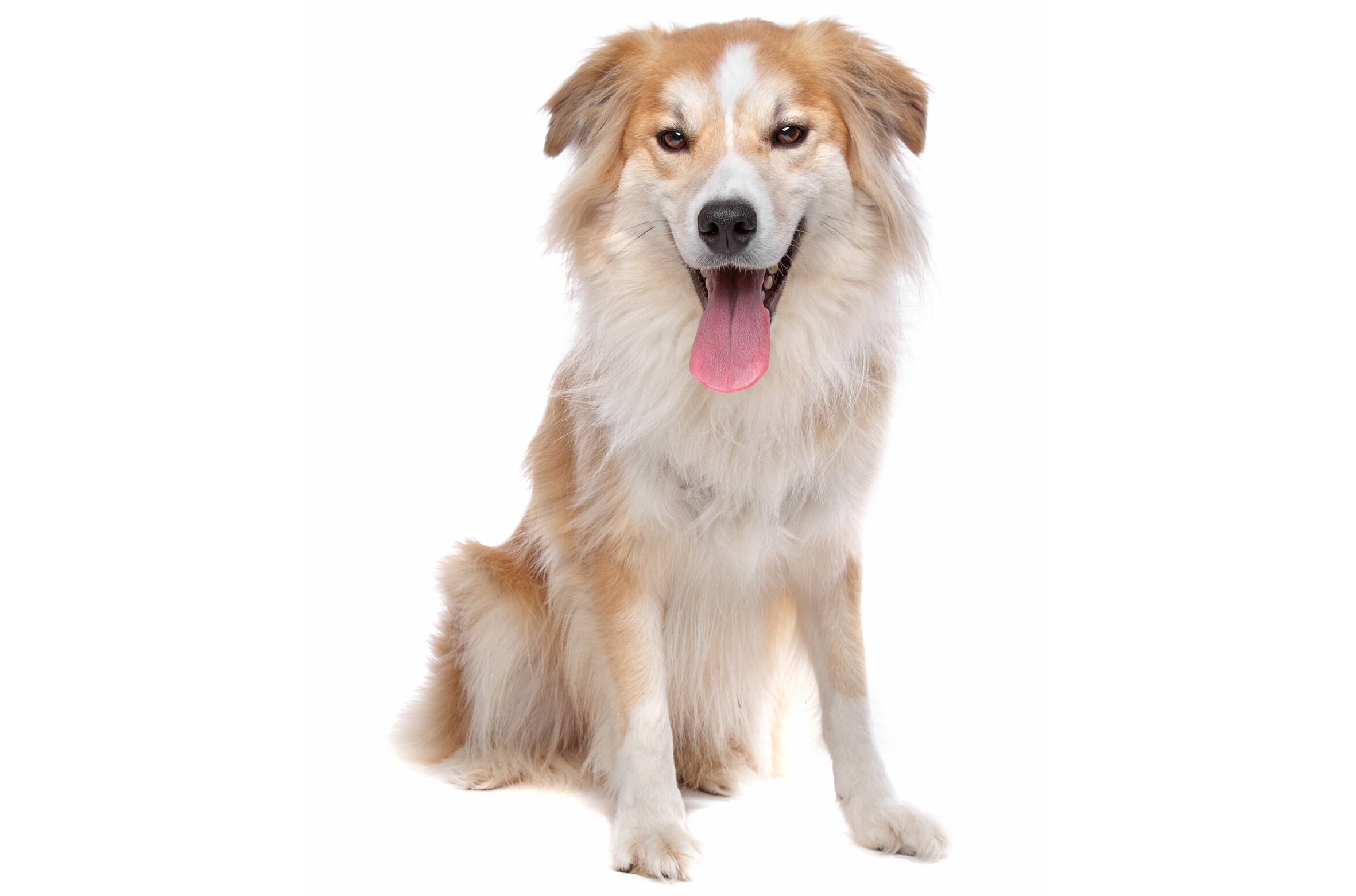
As a lifelong dog lover and experienced pet parent, I‘ve had the pleasure of sharing my heart and home with many wonderful breeds over the years. But few have captured my affection quite like the Golden Border Retriever. This remarkable hybrid combines the best traits of two all-star breeds – the friendly, eager-to-please Golden Retriever and the whip-smart, athletically gifted Border Collie. The result is a dog that‘s as brilliant as it is beautiful, with an endearing personality to boot.
If you‘re considering welcoming one of these unique dogs into your family, you probably have a lot of questions. What do Golden Border Retrievers look like? How big do they get? What are they like to live with? Do they make good family pets? And how do you go about finding a healthy, well-bred pup? Never fear – this comprehensive guide will tell you everything you need to know about this up-and-coming canine companion.
Breed History and Background
The Golden Border Retriever is a relatively new hybrid breed, with most experts tracing its origins back to the late 1990s or early 2000s. As with many designer dogs, the exact story of its development is a bit murky. Some believe that the first Golden Border Retrievers were accidental crosses between purebred Golden Retrievers and Border Collies. Others say that breeders deliberately began pairing the two breeds to create an ultimate canine athlete with the work ethic of a Border Collie and the sociability of a Golden.
Regardless of how they came to be, Golden Border Retrievers have been steadily growing in popularity over the last two decades. The American Canine Hybrid Club reports that registrations of Golden Border Retrievers increased by 45% between 2010 and 2020, outpacing many other designer breeds. While still far less common than their purebred parent breeds, these eye-catching dogs are becoming an increasingly frequent sight in dog parks, on hiking trails, and in performance sport rings across the country.
Despite their rising star, Golden Border Retrievers are not currently recognized by the American Kennel Club or other major purebred registries. The American Canine Hybrid Club, International Designer Canine Registry, and Dog Registry of America all accept Golden Border Retrievers, but classify them as a hybrid rather than a standardized breed. Most litters are first-generation crosses between a purebred Golden Retriever and a purebred Border Collie, though some breeders are working to develop multi-generation breeding lines.
[Engaging Breeder Interview] To learn more about the history and development of Golden Border Retrievers, I reached out to Sarah Johnson, owner of Shining Star Golden Border Retrievers in Colorado. Sarah has been specializing in the hybrid breed for the past 12 years and is considered a pioneer in breeding healthy, well-tempered pups."I fell in love with the combination of intelligence, drive, and sweetness that Golden Border Retrievers bring to the table," Sarah told me. "My goal is to produce dogs with the best qualities of both breeds – the Golden Retriever‘s friendliness and adaptability with the Border Collie‘s intense focus and work ethic. It‘s a tricky balance to achieve, but the result is a versatile, biddable dog that excels in so many areas – agility, obedience, therapy work, search and rescue, you name it. They‘re also phenomenal family companions for active households."
Physical Characteristics and Appearance
One of the first things you‘ll notice about a Golden Border Retriever is their striking good looks. These dogs typically have the lean, athletic build of a Border Collie with the slightly squarer, broader head and softer facial features of a Golden Retriever. They‘re medium-to-large in size, with males standing 21 to 24 inches tall at the shoulder and females ranging from 20 to 22 inches. Healthy weights vary depending on height and build, but most Golden Border Retrievers weigh between 45 and 70 pounds at maturity.
As a hybrid breed, there‘s more variation in coat type, length, and color than you‘d see in a purebred Golden or Collie. Sarah Johnson estimates that about 60% of Golden Border Retrievers have medium-length, wavy coats like a Golden, while 40% sport shorter, smoother coats more reminiscent of the classic Border Collie sleekness. Common colors include:
- Golden: 35%
- Black and white: 25%
- Black, white, and tan: 20%
- Red and white: 10%
- Sable and white: 5%
- Other colors (chocolate, blue merle, etc.): 5%
Grooming needs will vary depending on coat type and length, but all Golden Border Retrievers will need regular brushing to keep shedding under control. Those with longer, fuller coats may need professional grooming every 6-8 weeks. Weekly ear checks, monthly nail trims, and the occasional bath will help keep your Golden Border Retriever looking and feeling their best.
Temperament and Personality
If you ask Golden Border Retriever owners to describe their dogs in one word, you‘re likely to hear "friendly," "energetic," "smart," and "devoted" over and over again. This hybrid inherits the Golden Retriever‘s famously sunny disposition and the Border Collie‘s intense drive to work closely with their human partners. The result is an affectionate, eager-to-please dog who thrives on positive attention and engagement from their favorite people.
Golden Border Retrievers are known for being exceptionally good with children, even by Golden Retriever standards. They tend to be gentle, patient, and tolerant of the noise and chaos that kids can create. Many seem to enjoy the extra action and attention that comes with family life. Of course, interactions between dogs and small children should always be supervised, and both parties should be taught how to treat each other with respect.
Most Golden Border Retrievers are also very dog-social when raised with appropriate socialization and training. They typically enjoy romping with canine playmates and can do well in multi-dog households. Some may retain the Border Collie tendency to try to herd or control other dogs during play, but this is usually not aggressive in nature.
While Golden Border Retrievers can adapt to many different living situations, they are not ideal apartment dogs due to their high exercise needs. They do best in homes with securely fenced yards where they can burn off steam in between trips to the dog park, hikes, or other adventures. Novice owners and those with very busy lifestyles are usually better off with a lower-energy breed.
Training and Exercise Needs
One area where Golden Border Retrievers really shine is in training and performance sports. These dogs combine the Golden Retriever‘s people-pleasing personality with the Border Collie‘s scary-smart problem-solving skills. They excel at learning complex tasks and commands, and many seem to genuinely enjoy the mental challenge of mastering new skills.
Veteran dog trainer Jill Thompson has worked with dozens of Golden Border Retrievers in her 20-year career. "They are hands-down one of the most biddable, trainable breeds I‘ve ever worked with," she told me. "The retrieve drive of the Golden combined with the Border Collie‘s intense focus and work ethic is a trainer‘s dream. They‘ll happily do the same drill over and over again just for the satisfaction of getting it right and earning your praise."
Of course, all that brainpower and drive needs a constructive outlet, or you may end up with a dog who makes their own fun by redesigning your landscaping or learning to open the fridge. Most Golden Border Retrievers need at least 60-90 minutes of physical exercise and mental stimulation per day, broken up into several sessions. Teaching them new tricks, practicing obedience or agility drills, or joining a dog sport club are all great ways to challenge their minds while strengthening your bond.
In addition to training and exercise, Golden Border Retrievers need plenty of quality time with their favorite humans. They crave companionship and affection, and can develop separation anxiety if left alone for long periods on a regular basis. Experienced owners recommend crate training and providing safe, engaging chew toys or puzzle feeders to help Golden Border Retrievers feel more comfortable when you can‘t be with them.
Health and Lifespan
As a hybrid of two generally healthy breeds, Golden Border Retrievers have the potential to live long, healthy lives with proper care. Most experts estimate their average lifespan at 10-14 years, slightly higher than purebred Golden Retrievers (10-12 years) but a bit lower than Border Collies (12-15 years).
However, Golden Border Retrievers can be prone to some of the same genetic health issues that affect their parent breeds. These include hip and elbow dysplasia, eye disorders like progressive retinal atrophy and cataracts, hypothyroidism, and certain cancers. Responsible breeders will screen their dogs for these issues and provide health clearances to puppy buyers.
Veterinarian Dr. Emily Wilson emphasizes the importance of preventive care for Golden Border Retrievers. "These active dogs need regular checkups, vaccines, parasite control, and dental care just like any other breed," she says. "Obesity is a rising concern, so careful weight management through portion control and plenty of exercise is key. Ear infections, skin allergies, and arthritis are other common issues we see in this hybrid."
If you‘re considering a Golden Border Retriever, be sure to research breeders carefully and ask about health screening protocols. Adopting an adult dog from a reputable rescue group is another great way to find a healthy, well-socialized pup. No matter where your Golden Border Retriever comes from, establishing a good relationship with a veterinarian you trust will help ensure many happy, healthy years together.
Finding Your Golden Border Retriever
Speaking of finding your new best friend, where exactly does one acquire a Golden Border Retriever? Because they are not a standardized purebred, you won‘t find them at every corner pet store or backyard breeder. And that‘s a good thing – the best Golden Border Retrievers typically come from experienced, responsible breeders who prioritize health, temperament, and the betterment of the breed.
Start your search by reaching out to local and national breed clubs, like the Golden Border Retriever Club of America (GBRCA) or the North American Border Collie Association (NABCA). Many have breeder referral services to help connect you with reputable programs in your area. The GBRCA also maintains a directory of health-tested adult dogs and litters on their website.
You can also check with Golden Retriever and Border Collie rescue groups, as they sometimes take in surrendered or abandoned Golden Border Retriever mixes. Adoptable dogs may be harder to find, but the rewards of giving a deserving dog a second chance at a great life are immeasurable.
[Engaging Owner Anecdote] Colorado Springs resident Jen Hartman knew she‘d found her heart dog when she welcomed Golden Border Retriever Finn into her family last year. "He‘s smart as a whip, always up for a new adventure, and so in tune with my emotions," she gushes. "Sure, he keeps me on my toes – I swear he learns something new every day. But all that brilliance just makes our bond that much stronger. He challenges me to be a better trainer and a more active, engaged owner. I can‘t imagine life without him now."The Bottom Line
There‘s no denying that Golden Border Retrievers are special dogs. With their striking good looks, keen intelligence, and affectionate nature, it‘s no wonder they‘ve stolen the hearts of so many dog lovers. And as more people discover the joys of this remarkable hybrid, their popularity will only continue to grow.
If you‘re looking for an energetic, engaging companion to share your active lifestyle and perhaps even dip your toe into the world of canine performance sports, a Golden Border Retriever may be your ideal match. These versatile dogs can adapt to many different roles – jogging buddy, agility star, therapy dog, cuddle bug – as long as they have plenty of exercise, mental stimulation, and quality time with their favorite humans.
Just remember that adding any dog to your family is a major decision that requires careful research, planning, and commitment. Golden Border Retrievers may be low-shedding and generally healthy, but they still need regular grooming, veterinary care, training, and lots of interaction. Be honest about what you can offer a dog and choose a breed that fits your lifestyle, not just the latest trend.
If you do decide to welcome a Golden Border Retriever into your heart and home, congratulations! You‘re in for years of laughter, love, and learning alongside a brilliant, beautiful best friend. Just don‘t be surprised if you find yourself constantly bragging about your dog‘s latest tricks and triumphs to anyone who will listen. With a pup this pawsome, you can‘t help but gush a little.