The Magnificent Kishu Ken: A Comprehensive Guide to Japan‘s Rare Native Dog Breed
As a lifelong dog lover and enthusiast of rare breeds, I have always been fascinated by the six native Japanese dog breeds known as the Nihon Ken. While most people are familiar with popular Japanese breeds like the Shiba Inu and Akita, there is one Nihon Ken that remains relatively unknown even among dog fanciers – the majestic Kishu Ken. With their striking appearance, fascinating history, and unique temperament, the Kishu Ken is a breed that deserves to be appreciated and preserved.
A Hunting Dog Steeped in Japanese History
The Kishu Ken‘s origins can be traced back to the mountainous Kishu region of Japan where they were bred as hunting dogs for the elite samurai class. For centuries, these powerful, agile dogs were used to hunt wild boar, deer, and other game in the dense forests and challenging terrain of the area. The Kishu Ken‘s strength, endurance, and fearless nature made them highly prized by hunters.
As Japan modernized in the early 20th century, many native dog breeds faced extinction. Fortunately, efforts were made to preserve the Kishu Ken and other Japanese breeds. In 1934, the Kishu Ken was designated as a "Memorial of Nature" by the Japanese government, helping to protect and promote the breed as an important part of Japan‘s natural heritage.
Physical Characteristics and Breed Standard
The Kishu Ken is a medium-sized dog with a muscular, athletic build well-suited to an active outdoor lifestyle. Males typically stand 52-55 cm (20-22 inches) tall at the shoulder and weigh 18-27 kg (40-60 pounds), while females are slightly smaller at 49-52 cm (19-20 inches) and 16-22 kg (35-49 pounds).
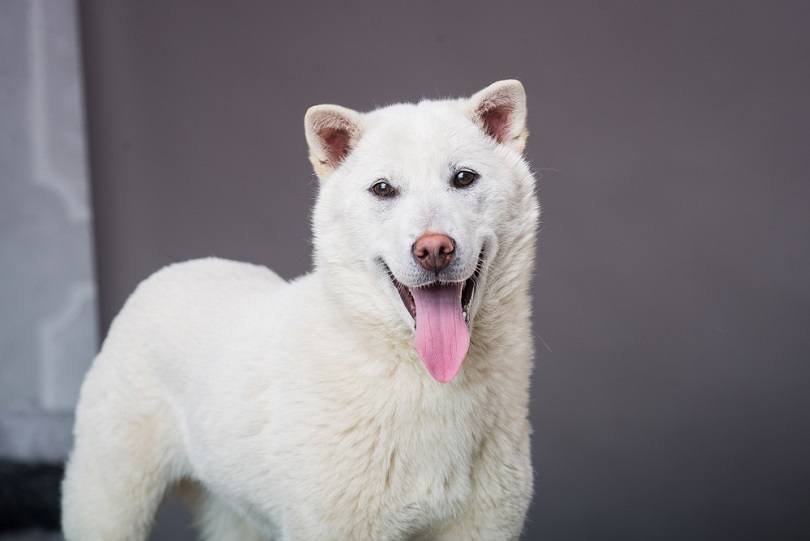
Like other Japanese breeds, the Kishu Ken has a broad head with a wedge-shaped muzzle, small erect ears, and dark, almond-shaped eyes that give an alert, intelligent expression. Their nose is black and their lips tight and black. The tail is thick and curled over the back in the distinctive Nihon Ken style.
The Kishu Ken‘s double coat consists of a dense, straight outer coat and thick, soft undercoat. The most common coat color is pure white, but red and sesame (red with black tipping) also occur. Brindle coats are rare but acceptable in the breed standard. The coat sheds heavily twice a year as the seasons change.
Temperament: Loyal, Alert, and Independent
As a breed developed for hunting, the Kishu Ken possesses a keen intelligence, strong prey drive, and independent nature. They are instinctively alert and watchful, qualities that make them excellent natural guard dogs. Kishu Ken are known for their courage and tenacity – they will fearlessly confront perceived threats to their family and territory.
With their families, Kishu Ken are loyal, affectionate, and gentle companions. They develop strong bonds with their humans and are particularly patient and playful with respectful children. However, the Kishu Ken tends to be aloof and suspicious with strangers, preferring to keep an observant distance from unfamiliar people.
Early and frequent socialization is essential for Kishu Ken puppies to develop into well-adjusted adult dogs. Positive experiences with a variety of people, animals, and environments help them learn to discriminate between normal situations and true threats. That said, the Kishu Ken will always be a breed that is devoted to family but coolly indifferent to outsiders.
The Kishu Ken‘s prey drive is very high even by hunting breed standards. They will readily chase and capture small fleeing creatures like rabbits, squirrels, and cats. This instinct, combined with their independent nature, means Kishu Ken cannot be trusted off-leash and require a securely fenced yard for outdoor play and exercise.
Same-sex aggression is another potential temperament issue in Kishu Ken, especially between males. Many Kishu do best as the only dog in the household or when paired with an opposite-sex dog. Interactions with strange dogs should be closely supervised to prevent scuffles. Kishu puppies raised with cats and other pets usually cohabitate peacefully, but caution is warranted given their prey drive.
Exercise and Training for an Active Breed
As an athletic hunting breed, Kishu Ken require more than just a daily leash walk to stay physically and mentally satisfied. They thrive on having a job to do, whether that is accompanying you on a hike, playing vigorous games of fetch in the backyard, or training in dog sports. Expect to provide a minimum of 60-90 minutes per day of heart-pumping exercise for your Kishu Ken.
Insufficient exercise often leads to undesirable behaviors in this breed such as excessive barking, digging, chewing, and even attempts to escape the yard in search of adventure. A bored Kishu Ken will find their own entertainment! They are best suited for homes with large, securely fenced yards and owners with active lifestyles. Kishu Ken are too big and energetic for apartment life.
In addition to physical exercise, Kishu Ken need plenty of mental stimulation to prevent boredom. They are inquisitive problem solvers who love having a challenge to focus on. Puzzle toys, nose work games, and interactive play sessions are great ways to keep a Kishu Ken‘s agile mind engaged.
The Kishu Ken‘s intelligence and eagerness to please make them highly trainable, but their independent nature can be a challenge for novice owners. They require confident, consistent leadership and respond best to positive reinforcement methods like praise, play, and high-value treats. Harshness will cause a Kishu to shut down so patience is key.
Many Kishu Ken excel in canine sports like agility, tracking, lure coursing, and more. They have the speed, stamina, and keen senses to perform well in these events. Participating in dog sports is a fantastic way to channel a Kishu‘s high drive and energy into a constructive outlet while strengthening the bond between dog and handler.
Health and Lifespan
The Kishu Ken is generally a robust, hardy breed with a lifespan of 11-13 years. As with all breeds, responsible Kishu breeders screen their breeding stock for hereditary health issues. The breed‘s small gene pool makes genetic screening particularly important.
Some of the issues that have been identified in Kishu Ken include hip dysplasia, luxating patellas (trick knees), eye disorders like entropion and persistent pupillary membranes, and autoimmune thyroiditis. Prospective Kishu owners should verify that breeders perform hip, elbow, eye, and thyroid testing on dogs before breeding.
Kishu Ken have minimal grooming needs beyond regular brushing and occasional baths. Their nails should be trimmed regularly to prevent overgrowth and splitting. Dental hygiene is important for the breed to prevent periodontal disease. Frequent ear checks are a must, especially for Kishu Ken who spend a lot of time outdoors where debris can accumulate in the ear canal.
Challenges of Owning a Rare Breed
Perhaps the biggest drawback to the Kishu Ken is their rarity, even in their native Japan. Exact population numbers are difficult to come by, but estimates suggest there may be fewer than 10,000 Kishu Ken worldwide. The breed is virtually unknown in the United States and Europe, with only a few dozen dogs at most.
The Japanese government tightly restricts the export of native dog breeds like the Kishu Ken, so very few have been able to leave the country. This means that prospective owners outside Japan have an extremely difficult time finding Kishu Ken puppies. In the US, a few fanciers have imported Kishu Ken and are working to establish the breed, but litters are rare and have long waitlists.
Complicating matters further, the Kishu Ken is not yet recognized by major international kennel clubs like the American Kennel Club, United Kennel Club, or Canadian Kennel Club. The breed does have a dedicated following among Nihon Ken enthusiasts worldwide and several regional breed clubs exist to connect Kishu owners and breeders. But the Kishu Ken‘s official status remains that of a very rare breed.
Why the Kishu Ken?
As someone who has had the privilege of meeting Kishu Ken in person, I can attest that they are a truly special breed that leaves a lasting impression. Their regal bearing, keen expression, and powerful presence are awe-inspiring to behold. When a Kishu Ken gazes at you with their wise, discerning eyes, you know you are in the presence of an extraordinary canine.
Living with a Kishu Ken is not for the faint of heart. Their exercise needs, prey drive, and headstrong streak are simply too much dog for many households to handle. But for experienced owners willing to put in the time and effort, the Kishu Ken is an immensely rewarding breed. Their loyalty, courage, and lust for life are unmatched.
As a dog lover, my greatest hope is that more people will come to appreciate the Kishu Ken and other rare breeds. We have a responsibility to preserve and protect these canine treasures for future generations to enjoy. The Kishu Ken may not be the easiest breed to own, but for those lucky few with the right lifestyle and dedication, they are the only breed to have.