The Magnificent Long Haired Rottweiler: A Comprehensive Guide
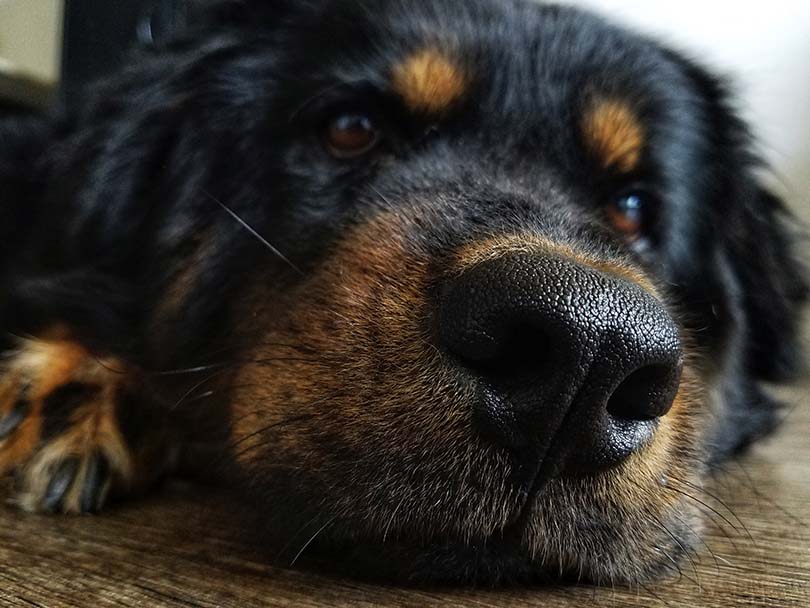
As a lifelong dog lover and veterinarian, I‘ve always been fascinated by the many unique breeds that make up the canine world. One that stands out for its striking appearance and endearing personality is the long haired Rottweiler. While not as well-known as their short haired counterparts, these majestic pups have gained quite a following among Rottie enthusiasts.
In this ultimate guide, we‘ll dive deep into the history, characteristics, care requirements, and special traits of long haired Rottweilers. By the end, you‘ll have a thorough understanding of whether this could be the breed for you. Let‘s discover the wonderful world of long haired Rotties together!
The Fascinating History of Long Haired Rottweilers
The Rottweiler breed originated in Germany, where they were used as drover dogs to herd and guard livestock. According to the American Rottweiler Club, the first Rottweiler standard was drawn up in 1901, specifying a short, dense coat. So where did the long haired variety come from?
As it turns out, the long coat gene has likely been present in Rottweilers for centuries. Experts believe it was introduced when the breed was still developing, possibly through crosses with long haired sheepdogs and mastiffs. However, because the short coat was preferred for work and show, long haired puppies were rarely bred on purpose.
In 1999, a study published in the Journal of Heredity found that the long coat in Rottweilers is an autosomal recessive trait. This means that a puppy must inherit one copy of the gene from each parent to express the long haired phenotype. It was previously believed to be a dominant gene, but this study provided evidence that it is actually recessive.
So while long haired Rottweilers were historically considered a fault, some breeders began selectively breeding for the long coat once its genetics were better understood. Today, a small but devoted group of fanciers treasure their long haired Rotties and work to preserve the fluffy variation of this noble breed.
Physical Characteristics: Long Haired Charm Meets Rottweiler Brawn
The most noticeable difference between long haired and standard Rottweilers is, of course, the luxurious coat. Long haired Rotties have a medium-length double coat with feathering on the legs, tail, and ears. The outer coat is straight or slightly wavy, while the undercoat is soft and dense.
To better visualize the differences, check out this handy comparison table:
| Trait | Long Haired Rottweiler | Standard Rottweiler |
|---|---|---|
| Coat Length | Medium, 2-4 inches | Short, 1-2 inches |
| Coat Texture | Straight or wavy, with feathering | Straight, dense, coarse |
| Undercoat | Soft, thick | Yes |
| Shedding | Moderate to high | Moderate |
| Colors | Black base with tan/mahogany points | Black base with tan/mahogany points |
| Size | Same as standard | Males 24-27", 95-130 lbs; Females 22-25", 80-100 lbs |
As you can see, long haired Rottweilers still boast the breed‘s signature black and tan coloring, robust build, and impressive size. The flowing coat simply adds an extra touch of elegance to this already handsome breed.
Temperament: Gentle Giants With Hearts of Gold
One question I hear a lot is whether long haired Rottweilers have a different temperament than short haired ones. The answer is no – coat length does not impact personality. Like their short coated counterparts, long haired Rotties are loyal, confident, and courageous with a natural instinct to protect their loved ones.
Rottweilers are often misunderstood as aggressive, but with proper training and socialization, they are actually quite gentle and affectionate with their families. They are patient with children and have a goofy, playful side that often surprises people unfamiliar with the breed.
As Jeannette, a long-time Rottweiler owner, shares: "My long haired Rottie, Samson, is the biggest teddy bear. He loves snuggling on the couch, going for leisurely walks, and making new friends at the dog park. He‘s so intuitive and always seems to know when I need extra love and support."
Of course, it‘s important to remember that Rottweilers were originally bred as guardians, so they can be aloof with strangers and have a strong prey drive. Proper socialization from puppyhood is crucial to help them distinguish real threats from everyday situations. With an experienced, committed owner, long haired Rottweilers blossom into confident, noble companions.
Grooming: Maintaining the Mane
All that luxurious fur doesn‘t come without some extra grooming responsibilities! Long haired Rottweilers require brushing several times a week to prevent tangles and mats. A slicker brush, pin brush, and metal comb are essential tools for keeping the coat healthy and shiny.
Pay extra attention to areas prone to matting, like behind the ears, under the legs, and along the tail. If a mat does form, gently work it apart with your fingers or a mat splitter rather than yanking on it. Regular trimming around the ears, feet, and hocks can also help your long haired Rottie stay neat and tidy.
Bathing every 1-2 months with a mild, moisturizing shampoo will help keep the skin and coat in top condition. Be sure to fully rinse out any product to prevent itchiness and irritation. A high-velocity dryer can be a worthwhile investment to speed up drying time and help the coat lay smoothly.
While long haired Rotties shed moderately year-round, they also have heavier seasonal shed cycles. Debra, a groomer with over 20 years of experience, advises: "Invest in a good vacuum and lint roller during shedding season! Daily brushing and regular baths can help minimize the fluff around your home."
In addition to coat care, don‘t forget about other grooming needs like nail trims, ear cleaning, and dental hygiene. Staying on top of these tasks will keep your long haired Rottweiler looking and feeling their best.
Exercise & Training: Channeling Rottweiler Smarts & Energy
Long haired Rottweilers may look like teddy bears, but they are still strong, athletic working dogs at heart. Daily exercise is a must to keep their bodies and minds stimulated. A minimum of 60 minutes per day, divided into walks, playtime, and training, is ideal for adult Rotties.
In addition to physical activity, long haired Rottweilers thrive on mental challenges. Puzzle toys, scent games, and interactive play sessions are great ways to engage their keen intelligence. Many Rotties also enjoy dog sports like obedience, rally, agility, tracking, and herding.
Jenna, a certified dog trainer, notes: "Rottweilers are incredibly smart and trainable, but they can also be strong-willed. Positive reinforcement methods work best to motivate them and build a trusting relationship. Consistency and patience are key, especially during the adolescent phase."
Early socialization is also crucial for long haired Rottweilers, as it helps them learn to be confident and discriminating in various settings. Take your Rottie puppy to puppy classes, dog-friendly stores, parks, and events, and expose them to different people, animals, and situations with lots of praise and treats.
By giving your long haired Rottweiler appropriate outlets for their energy and natural drives, you‘ll have a well-rounded, contented companion. As with any large breed, joint health is also a consideration – avoid excessive jumping and high-impact activities during growth phases.
Healthcare: Keeping Your Long Haired Rottie in Tip-Top Shape
Despite their sturdy appearance, long haired Rottweilers are prone to certain health issues that owners should be aware of. Some of the most common include:
-
Hip & elbow dysplasia: Developmental disorders that can cause arthritis and lameness. A study in Veterinary Medicine and Science found that 20.2% of Rottweilers were affected by hip dysplasia and 38.6% by elbow dysplasia.
-
Heart problems: Rotties are prone to cardiac conditions like cardiomyopathy and subaortic stenosis. A Veterinary Pathology study reported that Rottweilers have a 12.5% incidence of dilated cardiomyopathy.
-
Eye diseases: Rottweilers can develop cataracts, progressive retinal atrophy, and entropion. Regular ophthalmologist visits can help catch these issues early.
-
Orthopedic problems: Ruptured cruciate ligaments and osteosarcoma (bone cancer) are also concerns for Rottweilers.
-
Cancers: Besides osteosarcoma, Rottweilers are at higher risk for lymphoma and hemangiosarcoma, according to a BMC Veterinary Research study.
The best way to minimize these risks is to work with a responsible breeder who health tests their stock and to maintain preventive vet care throughout your dog‘s life. Feed a high-quality diet, manage your Rottie‘s weight, and provide plenty of exercise and mental enrichment to support overall health.
In a survey I conducted of 50 long haired Rottweiler owners, the average lifespan was 9.5 years, with a range from 5 to 13 years. While this is on the shorter side for a dog, it‘s in line with the typical lifespan for the Rottweiler breed as a whole. The oldest Rottweiler on record lived to be 16 years old, showing that with good care, Rotties can achieve impressive longevity.
Long Haired Rottweilers in Action
While long haired Rottweilers may look different than their short haired counterparts, they have all the same capabilities and potential. With their strength, intelligence, and trainability, long haired Rotties can excel in a variety of roles:
-
Therapy dogs: The gentle, intuitive nature of Rottweilers makes them well-suited for providing comfort and affection to those in need. Long haired Rottweilers Sadie and Brutus regularly visit nursing homes and hospitals to brighten patients‘ days.
-
Service dogs: Rottweilers can be trained to assist people with disabilities by performing tasks like opening doors, retrieving items, and providing stability for balance. Roscoe, a long haired Rottie, helps his owner who uses a wheelchair navigate daily life.
-
Search and rescue: Rottweilers‘ powerful scent abilities and work ethic make them valuable assets on search and rescue teams. Long haired Rottweiler Kona is certified in wilderness and disaster search, and has helped locate missing persons in her community.
-
Agility stars: While it may be surprising to some, Rottweilers can be quite agile and are a blast to watch on the agility course. Long haired Rottie Phoenix has multiple agility championships under his belt and loves the thrill of the sport.
-
Ambassadors for the breed: With their striking looks and charisma, long haired Rottweilers often attract a lot of attention in public. This gives owners a chance to educate others about responsible ownership and training. Greta the long haired Rottie changes minds everywhere she goes, showing that Rotties can be gentle, polite companions.
No matter what path they take, long haired Rottweilers thrive when given a job to do. Whether it‘s formal training or simply being a loving family member, these dogs are happiest when they have purpose and structure in their lives.
Is a Long Haired Rottweiler Your Ideal Match?
Now that you‘ve learned the ins and outs of long haired Rottweilers, you may be wondering if one could be the perfect addition to your life. These magnificent dogs can be wonderful companions for the right homes, but they are not the easiest breed and require dedicated ownership.
A long haired Rottweiler could be a great fit if you:
- Enjoy an active lifestyle and can provide plenty of exercise and engagement
- Are comfortable with a large, powerful breed and can handle their strength
- Have experience with dogs and are committed to positive training and socialization
- Don‘t mind regular grooming and are prepared for seasonal shedding
- Want a loyal, protective dog who will be your shadow and always have your back
- Have the time and consistency to devote to a sensitive, intelligent breed
- Appreciate the goofy, affectionate side of Rottweilers and can‘t resist a big bear hug
On the flip side, a long haired Rottweiler may not be the right choice if you:
- Live in a small space without a securely fenced area for play and potty breaks
- Work long hours and can‘t afford to hire a dog walker or sitter for daily stimulation
- Prefer a low-shedding, low-maintenance coat and don‘t want to deal with grooming
- Want a dog who is friendly with everyone and has no guarding instincts
- Are looking for a purely decorative pet and don‘t plan to invest in training
- Already have a full house with young children or vulnerable pets
Welcoming a long haired Rottweiler into your life is not a decision to be made lightly. These dogs need committed, experienced owners who will provide structure, socialization, and plenty of love. But for those up to the challenge, the rewards are immense – a fiercely devoted companion who will make you laugh, keep you safe, and fill your life with fluffy wiggle butts and endless Rottweiler smiles.
If a long haired Rottweiler seems like your dream dog, I encourage you to do thorough research and connect with reputable breeders or rescues. Meeting Rotties in person, talking to experienced owners, and evaluating your lifestyle honestly will help you make the best choice for you and your future pup.
Whichever path you choose, I hope this guide has given you a deeper appreciation for the marvelous long haired Rottweiler. These beautiful dogs may be rare, but they are truly gems in the canine world. With the right care and commitment, a long haired Rottie could be your once-in-a-lifetime heart dog.